

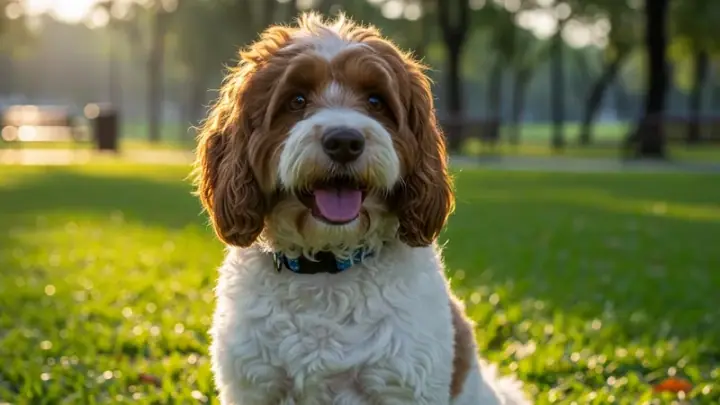
Mini Goldendoodle
A teddy-bear-shaped, low-shedding crossbreed that fits HDB rules and most family lifestyles, provided you can keep up with the grooming bill.
Adopt
Life with a dog
Every chapter matters
Places & care
Places to go
People and care
Good reads
Tools & play
Play
Useful
Plan
Your Pack
Breeds
Filter by HDB eligibility (HDB's approved breed list), size, energy, heat tolerance and the bills. Every guide is written for someone walking a dog in this heat, in this housing.
Lifestyle
Apartment-friendly Beginner friendly Project ADORE eligibleShedding
Low Medium HighBarking
Quiet Normal VocalAnnual cost
Under S$3,000 S$3,000 to S$4,500 S$4,500 to S$6,000 Over S$6,000 A teddy-bear-shaped, low-shedding crossbreed that fits HDB rules and most family lifestyles, provided you can keep up with the grooming bill.

The Bichon Frise looks like a cumulus cloud was given legs and a charming social agenda. It is one of the most consistently cheerful breeds you can keep in a flat, low-shedding by…
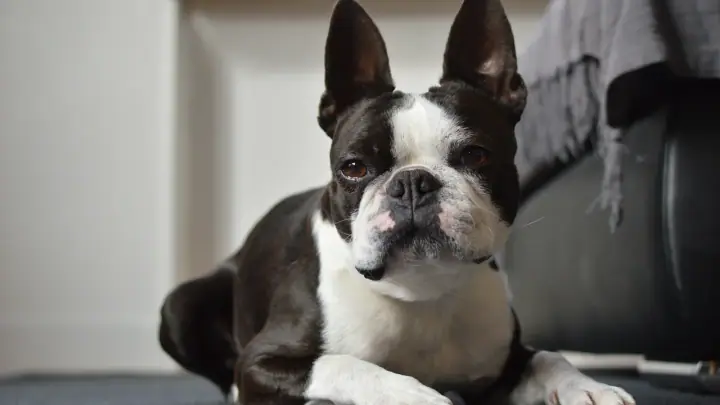
The Boston Terrier was created in 1870s Boston by crossing an English Bulldog with a now-extinct White English Terrier, and the resulting "American Gentleman" became the first…
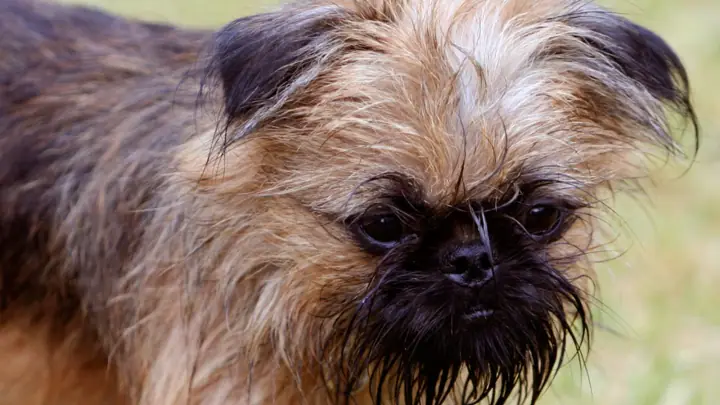
The Brussels Griffon is the dog most people meet first on a screen and assume must be a CGI character. The face is genuinely striking: a flat muzzle, large dark forward-set eyes…
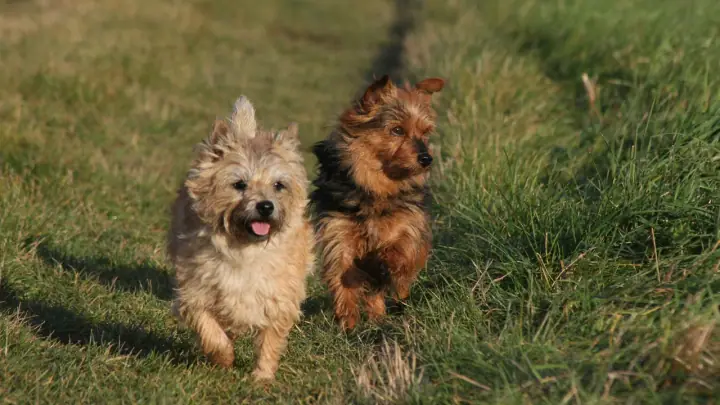
The Cairn Terrier is one of the oldest working terrier breeds in Britain, developed on the Isle of Skye and the Western Highlands for the specific job of hunting vermin among the…

The Cavalier King Charles Spaniel is the closest the dog world gets to a default-friendly setting. It is gentle with children, soft with strangers, polite with other dogs, and…

The Cavapoo is the deliberate cross between a Cavalier King Charles Spaniel and a Miniature or Toy Poodle, developed from the 1990s onwards (initially in the United States and…
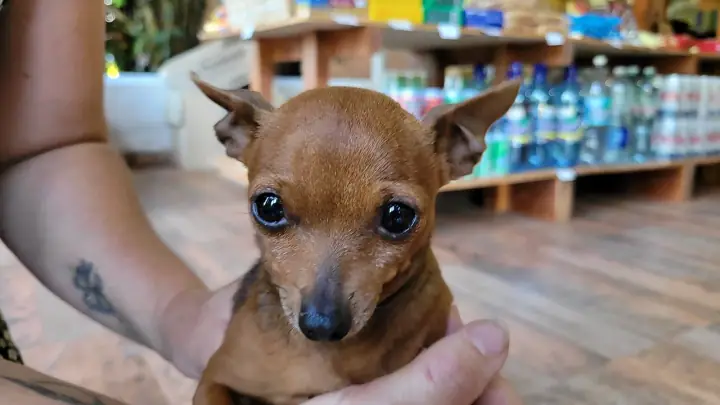
The Chihuahua is the world's smallest recognised dog breed, descended from the ancient Techichi companions of pre-Columbian Mexico, named after the Mexican state where 1800s…
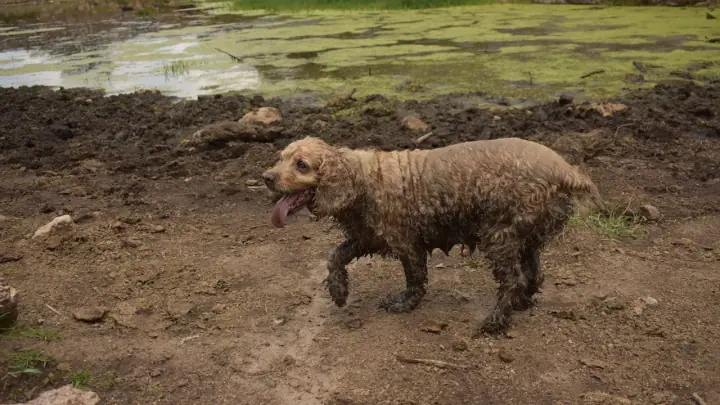
The Cocker Spaniel is a soft-eyed, feathery-eared gundog originally bred to flush woodcock in the English countryside, which is a long way from a tenth-storey HDB flat in Toa…
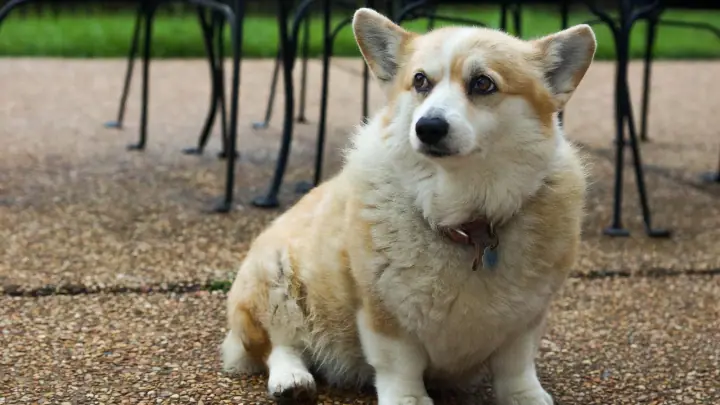
The Pembroke Welsh Corgi is a small dog that is clearly something larger in temperament and history, and it is not on HDB's list of approved breeds for flats. At 10 to 14…
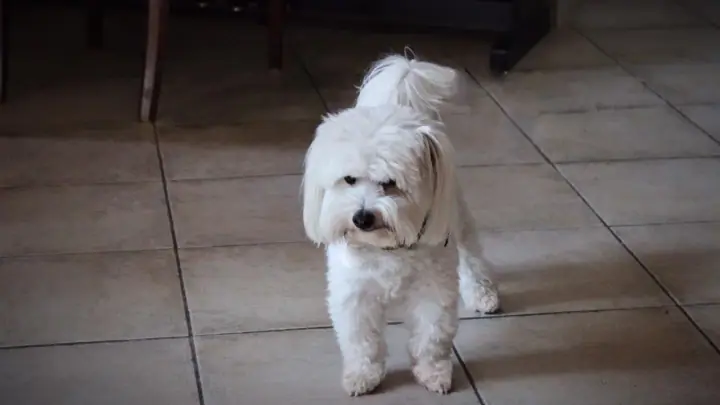
The Coton de Tuléar is the dog people meet at a friend's flat and ask about for the next three weekends. It is small, white, low-shedding, and built around a temperament so…

The Standard Dachshund is a working badger hound, and that sentence is the entire argument of this guide. The breed was developed in 17th century Germany to track, corner, and…
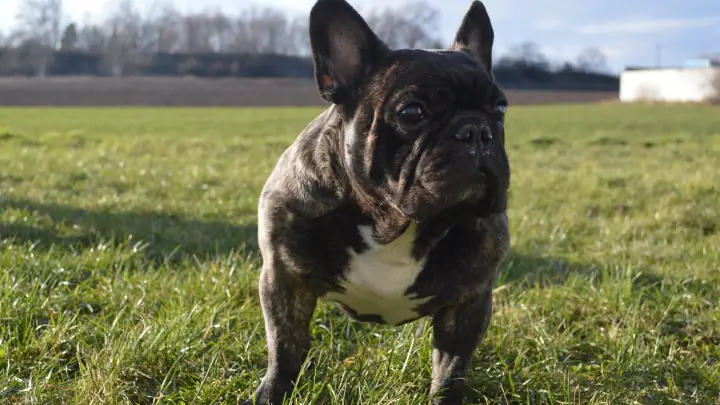
The French Bulldog is the small, bat-eared, low-energy companion that has spent the last decade quietly becoming one of the most popular breeds in the world, and Singapore is no…
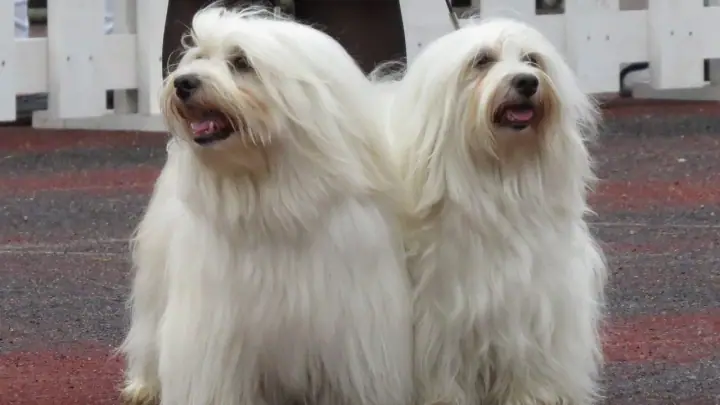
The Havanese is the national dog of Cuba, the only dog breed native to the country, and one of a small handful of pedigree breeds developed specifically for the role of being…
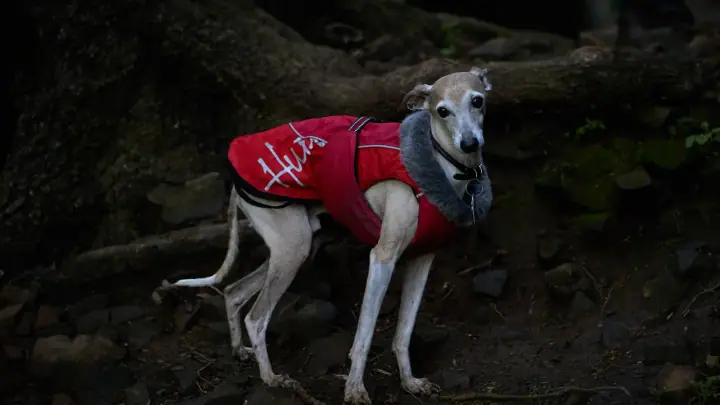
The Italian Greyhound is what happens when a full-size sighthound is shrunk by two thousand years of selective breeding into the lap of a Renaissance noblewoman. It is small…
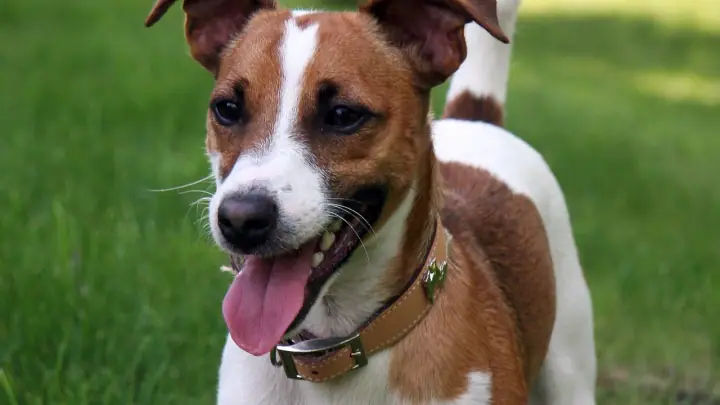
The Jack Russell Terrier is a working fox terrier developed by an English clergyman in the 1800s for the specific job of going to ground after foxes. Roughly nothing about that…
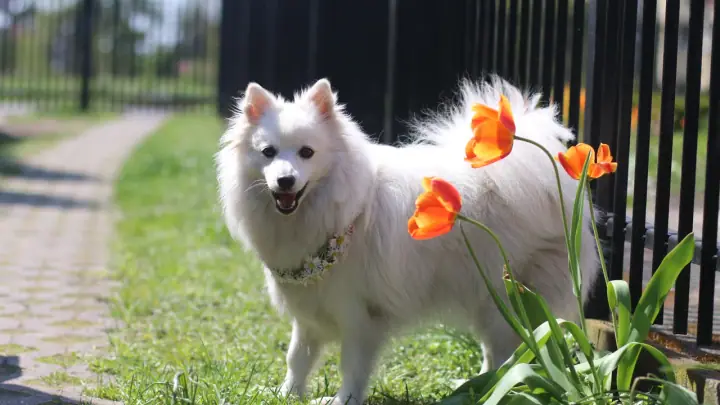
The Japanese Spitz is one of the most photographed dogs in Singapore, and once you have lived next to one you understand why. It is a brilliant small white cloud with black eyes…
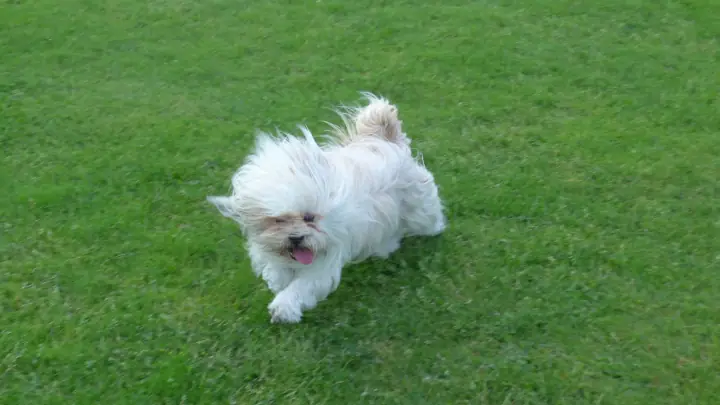
The Lhasa Apso is older than most things in this guide. It was bred in Tibetan monasteries as an indoor sentinel, a small dog that announced the approach of strangers while the…
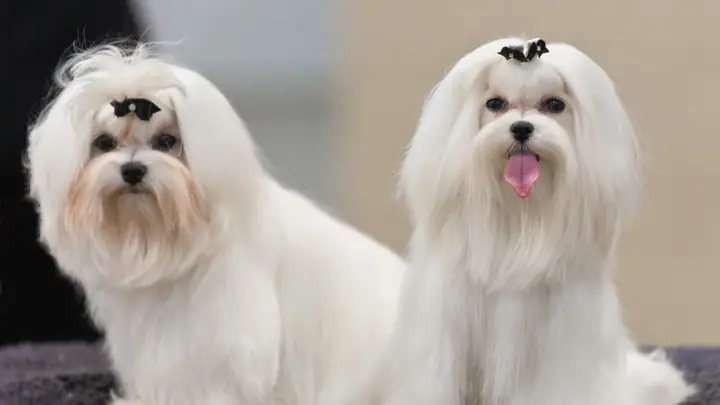
The Maltese is the dog that has outlived most empires. It has been sitting on Mediterranean laps for at least two thousand years, and the breed standard has barely changed in that…
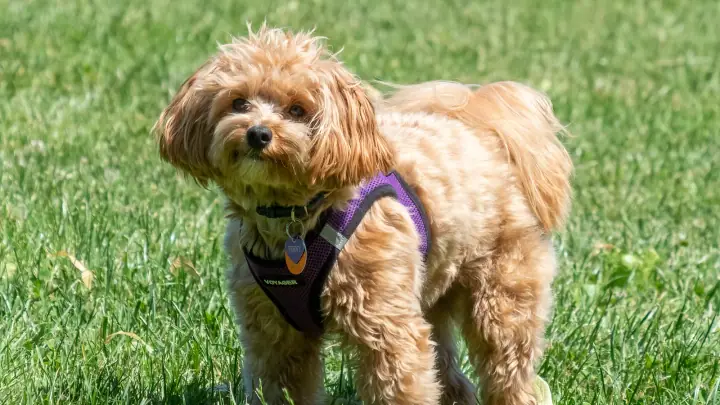
The Maltipoo is a Maltese crossed with a Toy or Miniature Poodle, sold under one name but delivered in roughly seven different coat patterns. It is not recognised by the AKC, the…
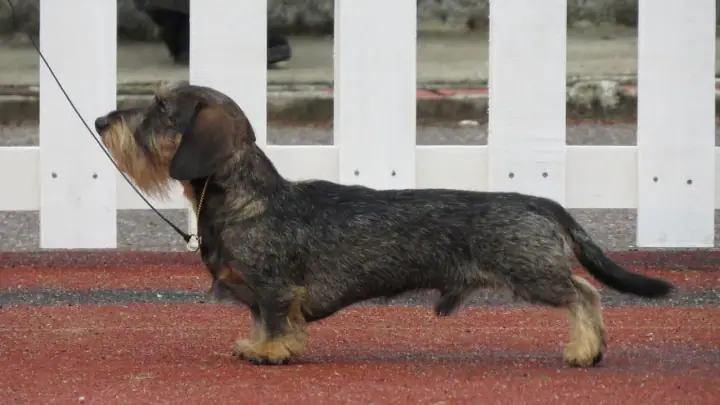
The Miniature Dachshund is a scenthound shortened, lowered, and miniaturised to chase badgers underground in 19th-century Germany. None of those words describe a typical HDB…

The Miniature Pinscher is a small, athletic, opinionated dog with a personality that the breed clubs traditionally describe as "the King of Toys", which is a polite way of saying…
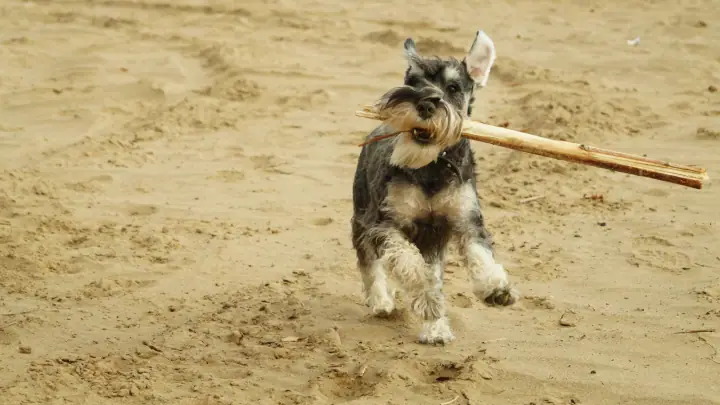
The Miniature Schnauzer is what you get when a German farmer in the 1880s wanted a smaller version of the family Standard Schnauzer that could still keep the barn free of rats and…
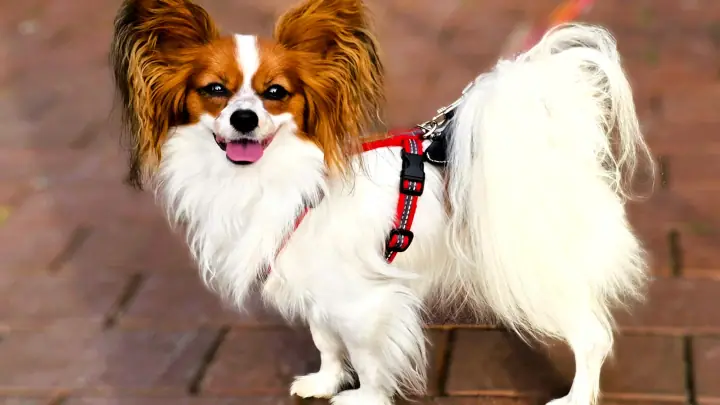
The Papillon is the dog you keep underestimating until you have lived with one. It looks like a tiny ornamental spaniel with butterfly ears (papillon is French for butterfly…
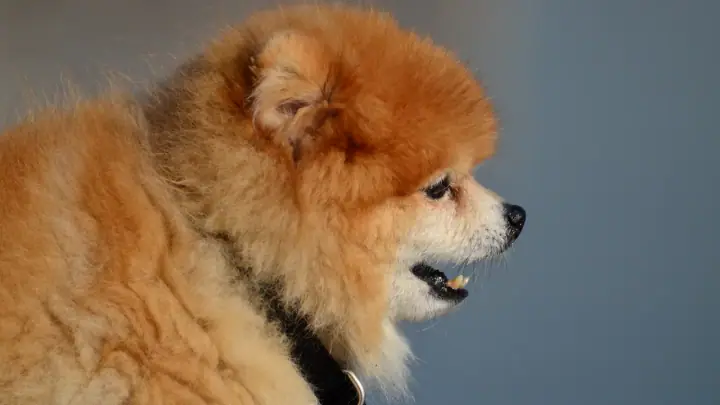
The Pomeranian is what happens when a sled-pulling spitz from northern Europe gets bred down for several centuries until it can fit in a handbag. Underneath the fluff is still a…
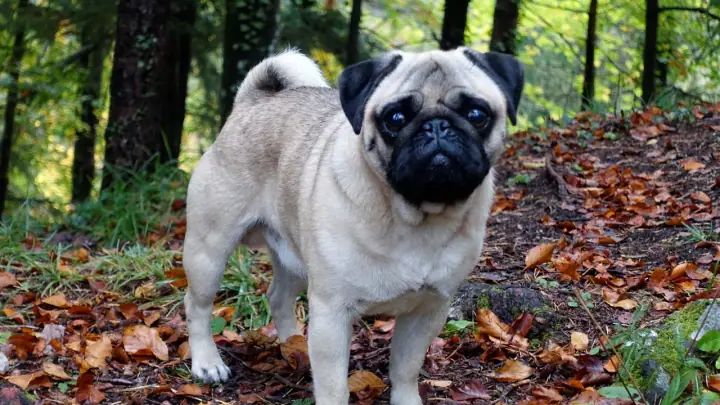
The Pug is one of the oldest companion breeds in the world, kept by Tibetan Buddhist monks more than two thousand years ago and brought to Europe by Dutch East India Company…

The Shih-Poo is a Shih Tzu crossed with a Toy or Miniature Poodle, and the result is the small, soft, low-shedding apartment dog that a growing number of first-time HDB owners…

The Shih Tzu spent the better part of a thousand years on the cushions of Chinese imperial palaces, which is a job description that maps remarkably well onto modern HDB life. It…
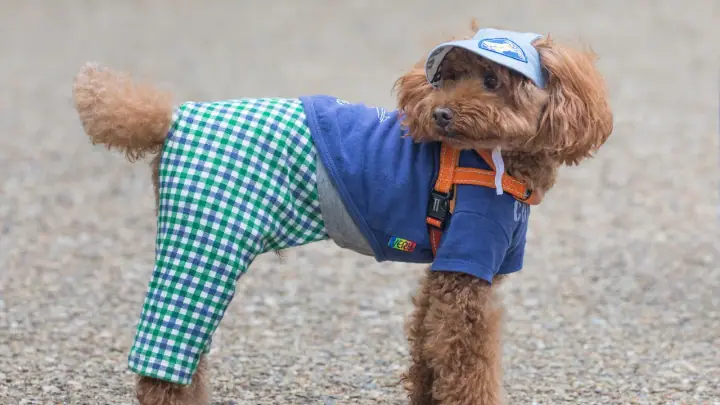
The Toy Poodle is, on the evidence, one of the most sensible small-dog choices an HDB household can make. It is one of the smartest breeds in the world (top three on most…

The West Highland White Terrier was bred in 1800s Argyll for vermin work on cold, wet Scottish hillsides, which is approximately the opposite of the climate a Westie now faces on…
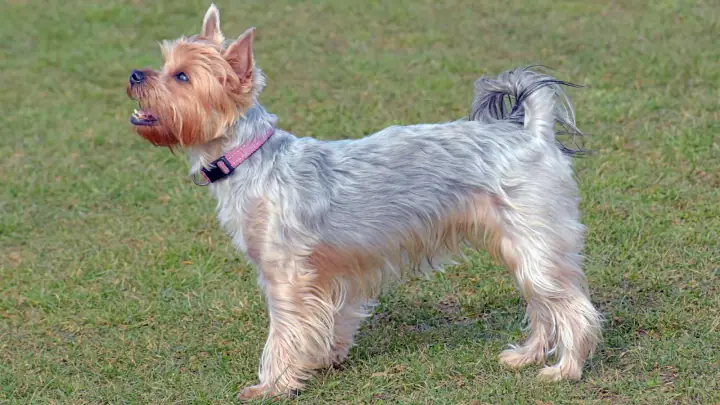
The Yorkshire Terrier started its working life in Victorian Yorkshire mills, killing rats for the textile foremen. It has since been bred down by roughly 70 percent and now lives…
A serious-faced, monkey-eyebrowed small terrier with opinions about everything. Apartment-sized, but built for an experienced owner who finds a dog with a chip on its shoulder funny.
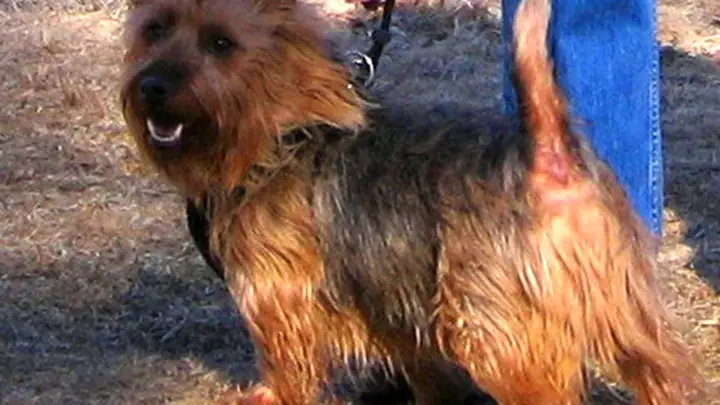
A sturdy little working terrier from Australia with a weatherproof coat, a sensible head, and more stamina than a 6 kg dog has any right to have.
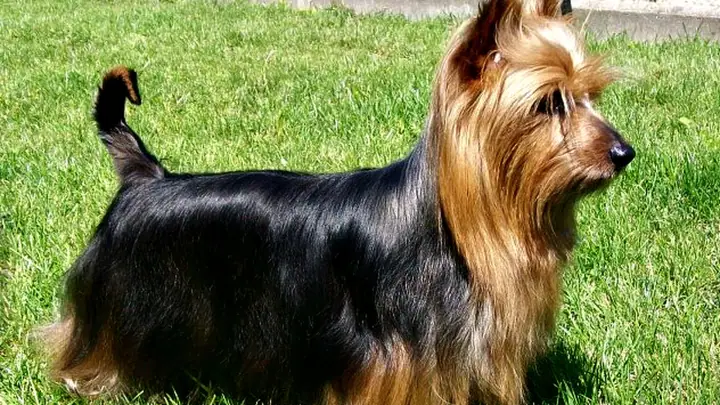
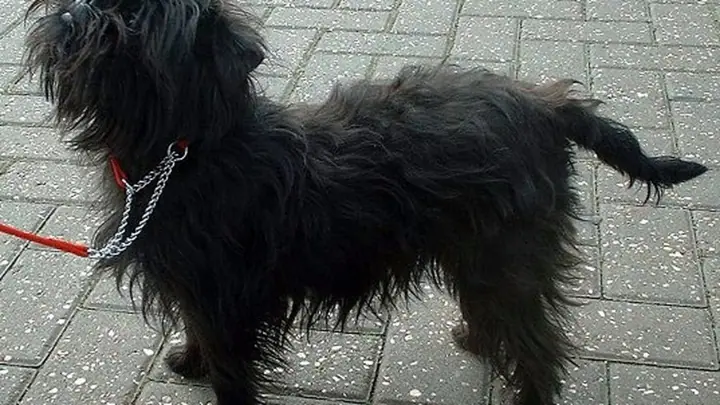
A small, silky-coated terrier that looks like a Yorkie's slightly sturdier Australian cousin. Spirited, low-shedding, opinionated, and well-suited to HDB living.
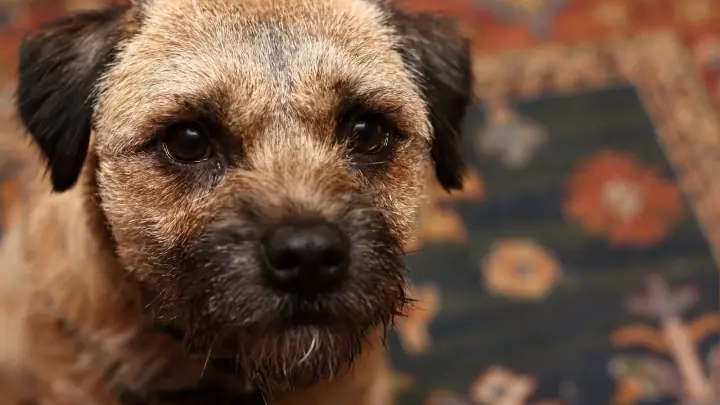
A scruffy, otter-headed working terrier from the Scottish-English borders. Calm by terrier standards, sociable, surprisingly biddable, and a sleeper-hit HDB companion.
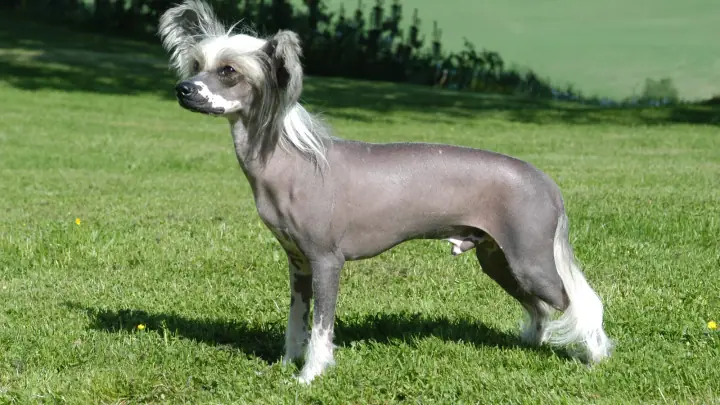
An elegant, near-hairless small dog that does surprisingly well in tropical climates. Affectionate, low-shedding, and easier on the lungs than fur-coated breeds, but the skin needs daily attention.
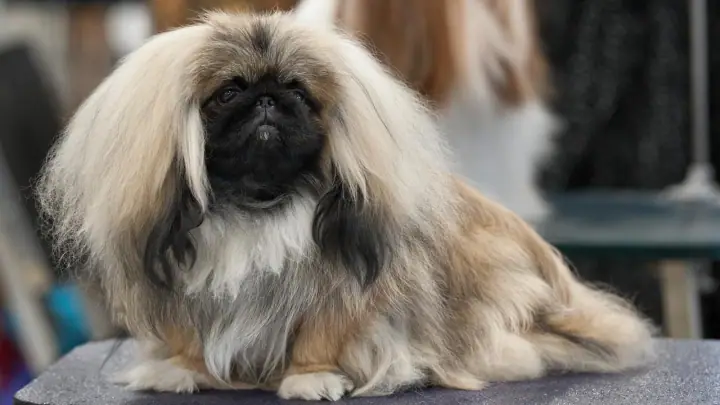
A small, lion-maned ancient Chinese court dog with the dignity of an emperor and the airway of a stuffed-up emperor. Loving but stubborn, and the breed most vulnerable to Singapore heat on this list.
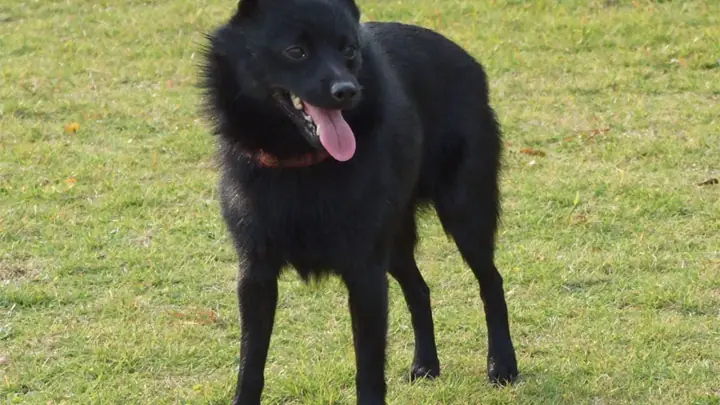
A small, sharp-eared Belgian barge dog with the energy of a Border Collie and the silhouette of a tiny tuxedoed fox. Brilliant, watchful, and absolutely not low-maintenance.
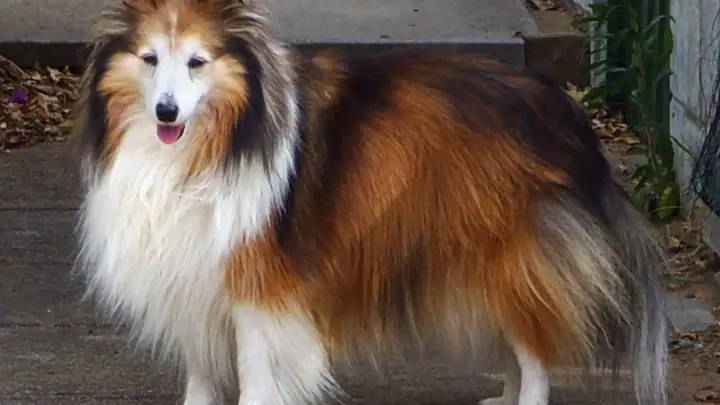
A small, intelligent herding dog that looks like a 10 kg Rough Collie. Brilliant, sensitive, deeply trainable, and one of the heaviest-shedding dogs on the HDB list.
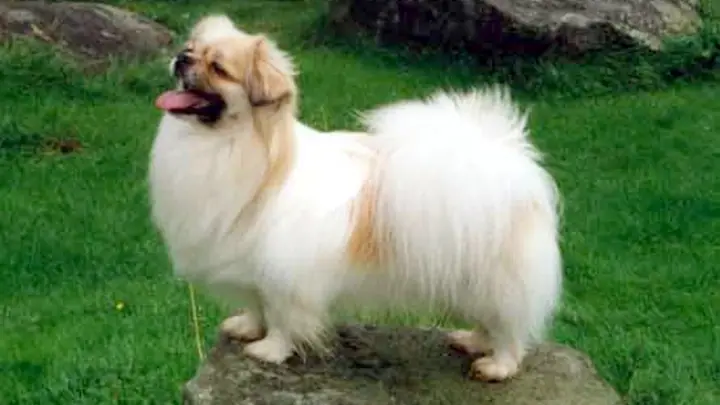
An ancient small companion dog from Tibetan monasteries with the silhouette of a small lion and the bearing of something much older than its 7 kg suggests.
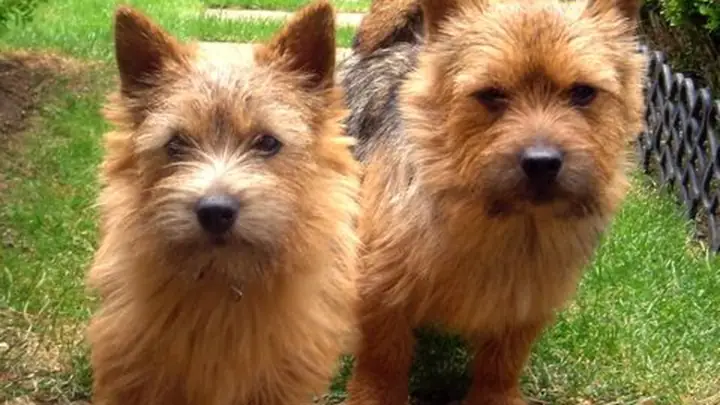
A small, prick-eared English working terrier with the temperament of a slightly more sociable Border Terrier. Rare in Singapore, well-suited to HDB life if you can find one.
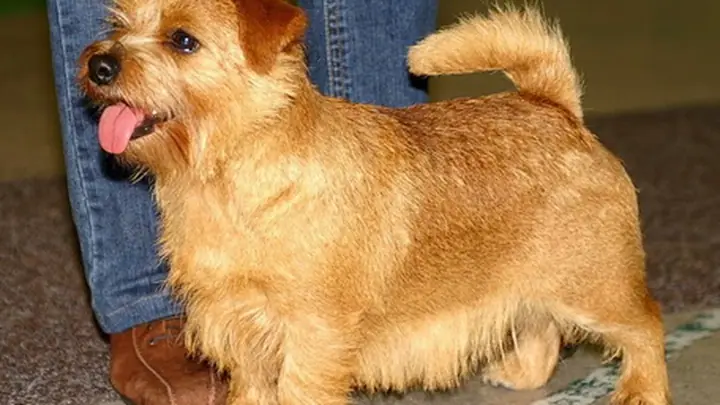
A small, drop-eared English working terrier and the close cousin of the Norwich. Same temperament, softer face, slightly more ear-cleaning required in tropical humidity.
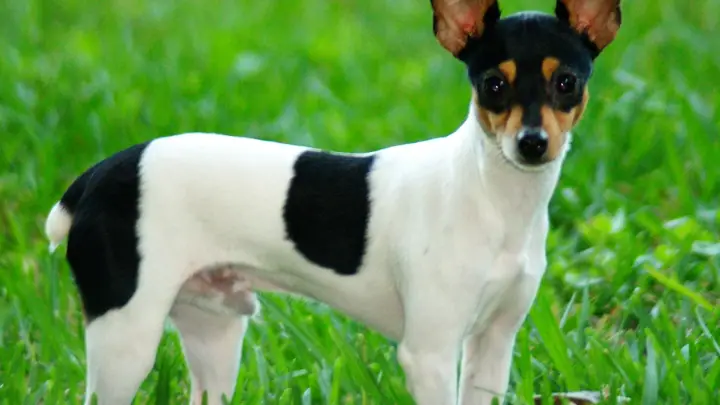
A brilliant 3 kg smooth-coated American toy terrier with a working dog brain, named on HDB's approved list of breeds for flats.
We add new breed guides every week or two. If you're looking for one we haven't written up, tell us. It bumps the queue and helps us prioritise what Singapore owners are actually asking about.
Suggest a breed →Every breed guide on this site is written for the version of dog ownership that actually happens in Singapore. That means HDB approval is the first question, not a footnote. The approved breed list comes from HDB, the ownership limits from AVS guidance, and Project ADORE eligibility for local mixed-breeds is treated the same way the regulator treats it. Check the official rules and any additional conditions for Specified Dogs before committing.
Cost bands are editorial planning estimates, not a verified market survey or provider quotes. Check current food, grooming and veterinary prices for the individual dog, then adjust the cost calculator. Allow for acquisition, home preparation, routine care and unexpected costs separately. Insurance has exclusions, limits and co-payments, so it does not replace accessible emergency savings.
Trait ratings are editorial comparisons of typical breed tendencies. They are not a validated behavioural assessment, a documented community survey, or a prediction for an individual dog. Read each profile's source and uncertainty notes. Discuss the dog's behaviour, health and care needs with its rescue, breeder and veterinarian.
Directory filters and labels use the information recorded in each breed profile. Missing or unresolved evidence should not be read as approval. A housing label concerns eligibility; it does not promise quiet behaviour, safety around children, or suitability for every first-time owner. Project ADORE partners assess the individual rescue dog.
We're always adding new breeds. If you know one we should cover, send it our way.
Suggest a breed →