

DOG BREED GUIDE · CONFIRM HDB ELIGIBILITY
Last updated First published 31 May 2026
Notice one little habit together →A small idea to try, with progress kept in your Pack.
Also known as Shihpoo, Shoodle, Pooshih.
Thinking about adopting a Shih-Poo?
If you cross a Shih Tzu with a Poodle, you might end up with a dog that answers the door with a regal tilt of the head but still expects you to do the heavy lifting.
Can a Shih-Poo live in an HDB flat?
PotentiallyConfirm this individual dog with HDB
This cross-breed name does not establish the parent varieties or permission for an individual dog. Our source evidence is unresolved. Get written confirmation from HDB before committing; do not rely on a seller’s label, small size or this directory’s older approval flag.
HDB sets and maintains the approved-breed list. Check the current rules at HDB.gov.sg →
Full list of HDB-approved breeds on this site →At a glance
- Size category
- Small
- Weight
- 4 to 9 kg
- Height
- 20 to 30 cm
- Lifespan
- 12 to 15 years
- Energy level
- ●●●○○ 3/5 (editorial, unvalidated)
- Shedding
- ●●○○○ 2/5 (editorial, unvalidated)
- Heat tolerance
- ●●○○○ 2/5 (editorial, unvalidated)
- Barking
- ●●○○○ 2/5 (editorial, unvalidated)
- Trainability
- ●●●●○ 4/5 (editorial, unvalidated)
- Grooming needs
- ●●●●○ 4/5 (editorial, unvalidated)
- Origin
- United States (designer cross)
Plan activity around your dog, not a timer
A breed score cannot tell you how many minutes are safe today. Avoid hot conditions, watch your dog's breathing, and agree an activity plan with your vet.
Read PDSA's heatstroke guidance →Common health issues in Singapore's climate
Build a care budget
- Year 1
- S$3,923 to S$5,307
- Over 10 years
- S$36,305 to S$49,118
Illustrative planning assumptions for food, grooming and routine vet care, with inflation and a year-one setup uplift. These are not verified provider quotes or a lifespan prediction. Adjust the calculator to current quotes; add insurance, boarding and emergencies separately.
Run the full lifetime cost calculator →A Shih-Poo is a Shih Tzu and Poodle cross. Coat, size and temperament vary. The cross-breed name does not establish housing permission or guarantee a low-maintenance companion; check the individual dog’s needs and parent varieties.
It is a cross, not a standardised breed. No kennel club maintains a Shih-Poo standard and no registry judges these dogs against one agreed set of traits, so outcomes vary between litters and between generations. The two conversations worth having before you commit are the coat lottery, because every Shih-Poo turns out a little differently depending on which parent it leans toward, and the short muzzle the Shih Tzu side can bring with it.
Personality and temperament
In a flat, the Shih-Poo is a settled, low-key companion. It is happy with two reasonable walks a day, a comfortable corner of the sofa and steady involvement in whatever the household is doing. The temperament leans gentle and adaptable, which is why the cross has become a popular first dog for families with primary-school-age children and for older couples downsizing from a more demanding breed.
Barking and comfort around people vary between dogs. The editorial rating is not a guarantee of quietness or freedom from distress. Ask the current carer about behaviour in everyday situations.
Watch the individual dog’s comfort with company and time alone. Do not rank separation-anxiety risk from the cross name. Keep training gradual and reward-based, and ask for help if the dog struggles.
Exercise in Singapore's climate
Heat tolerance is rated 2 out of 5, and the reason is anatomical rather than about the coat. The Shih Tzu side brings a slightly flattened muzzle and a softer respiratory profile than a pure Poodle, so a Shih-Poo is not as efficient at managing tropical humidity as a longer-snouted dog of the same size. Add Singapore's daily maximum of 31 to 33 degrees Celsius and average relative humidity around 82% year-round (Meteorological Service Singapore), and the walking window narrows.
Plan activity around the individual dog and actual temperature, humidity and ground conditions. Early or late hours are not automatically safe, and a score on this page cannot prescribe a safe duration. If you suspect heatstroke, stop activity, move somewhere cool, start cooling with water while keeping it away from the nose and mouth, and contact a vet promptly. Continue cooling during transport where possible. See PDSA’s first-aid guidance.
Unusual or laboured breathing, poor recovery or reluctance to continue needs attention. Stop the activity and contact your vet; seek urgent help for distress or suspected heatstroke. Do not use a one-minute cutoff to decide whether breathing is safe.
Energy is rated 3 out of 5 and the requirement is modest, which suits the narrow window. Fill the rest indoors: this is a bright cross that enjoys short training sessions, food puzzles and scent games, all of which can happen in the air conditioning in the middle of the afternoon.
Coat and grooming in the humidity
Coat texture and maintenance needs vary. A puppy’s appearance is not a reliable promise of the adult coat. Ask a groomer how to care for the coat you have, including gentle handling and checks for tangles.
Ask a groomer to assess the actual coat and give a current quote and maintenance plan. Curly and silky coats can need different routines; check for tangles and avoid pulling at painful mats.
Whichever coat you get, humidity is the accelerant. A coat that stays damp near the skin gives bacteria more time and a better environment, so brush down to the skin rather than over the surface, dry the dog properly after rain or a bath, and check the ears weekly. Ear infections are on this page's health-issue list, and drop ears under a damp coat are where they start.
Diet and feeding
Food sits at S$55 to S$85 a month for a quality kibble or fresh-food rotation. Set the portion with your vet against your dog's actual weight rather than a breed average, which matters for a cross whose adult weight ranges from 4 kg to 9 kg on this page alone.
Dental health is on this page's health-issue flags, and it starts at the food bowl. The Shih Tzu side contributes a slightly crowded mouth, so what the dog chews and how the teeth are cleaned matters more than in a longer-jawed breed. Ask your vet which dental chews suit a mouth this shape rather than choosing by packaging.
A flatter-faced dog also takes in more air while eating, so a slow-feeder bowl is a cheap improvement for a dog that gulps. Keep kibble sealed and out of direct heat, since a humid kitchen spoils dry food faster, and keep water available and refreshed more often than a label suggests for a dog panting in this climate.
Training
Trainability is rated 4 out of 5. The Poodle side brings quickness and willingness, the Shih Tzu side brings a mild independence, and the combination responds very well to short, cheerful, food-led sessions. This is a forgiving cross for a first-time owner.
The priorities are less about obedience than about tolerance:
- Grooming handling. With a salon visit every six to eight weeks for fifteen years, teach the puppy to accept paws, ears, face and tail being handled from the first week. Take it to the groomer before the coat needs real work so the table is familiar rather than an ambush.
- Time alone, in small increments. Less critical than for some companion crosses, but anxiety is on the health-issue list and practice from puppyhood is far easier than repair later.
- Settle on a mat. In a climate where much of the day is indoors, an off switch you can ask for is worth more than a long trick list.
Toilet training is often slower in small dogs than owners expect. Frequent opportunities and a consistent spot beat correction.
Health
Because the Shih-Poo is a cross, there is no body of health data measured on Shih-Poos in the way there is for a standardised breed. What follows is what each parent breed is documented to carry a predisposition to, from recognised authorities. A cross can inherit a condition from either parent, from both, or from neither.
On hybrid vigour, be sceptical of the sales version. A 2024 Royal Veterinary College study compared three popular Poodle-cross designer breeds against their purebred parent breeds across 57 health conditions in over 9,000 dogs and found no consistent health advantage for the crossbreeds. Most comparisons showed no meaningful difference, and the crossbreeds showed higher odds of a condition about as often as lower odds. The Shih-Poo was not among the crosses studied, but the finding is a fair caution against assuming a cross is automatically the healthy option.
On the Shih Tzu side, the UK Kennel Club strongly recommends eye testing under the BVA/KC/ISDS Eye Scheme before breeding, noting that evidence indicates these conditions are a significant concern in the breed. It places the Shih Tzu in Breed Watch Category 1, and separately notes that the breed's brachycephalic characteristics present potential health concerns including breathing difficulties, skin problems, teeth overcrowding and eye conditions.
On the Poodle side, the same body's recommendations for the Toy Poodle include a DNA test for progressive retinal atrophy (prcd-PRA) as good practice, plus eye testing under the BVA/KC/ISDS Eye Scheme and hip testing under the BVA/KC Hip Dysplasia Scheme. For the Miniature Poodle a DNA test for osteochondrodysplasia is added. Note that eye screening appears on both sides, which is a reason to ask for it on both parents rather than one.
This page's own health-issue flags for the cross are brachycephalic characteristics, dental health, patellar luxation, ear infections, eye conditions, allergies and anxiety or stress. The two to weigh most heavily when choosing a puppy:
- The airway. The puppy should breathe quietly at rest. Any audible snore or snort in a young Shih-Poo is a veterinary conversation, not a personality quirk, and it is the clearest signal of how much Shih Tzu muzzle the litter carries.
- The knees. Patellar luxation is common across small breeds and is the orthopaedic question to ask the breeder about directly.
Ask your vet about preventive care, dental assessment and costs for your dog. Dental treatment should follow examination and individual need, not a fixed age or a two-to-three-year timetable.
Housing and space in Singapore
A cross-breed label does not establish permission to keep an individual dog in an HDB flat. Parent varieties matter, and small size alone is not approval. Our evidence for this individual-cross question remains unresolved. Ask HDB for written confirmation before committing, rather than relying on a seller or this directory’s older flag. Project ADORE is a separate partner-led route for eligible local mixed-breed rescues.
HDB permits one dog of an approved breed and up to two cats per flat. Private premises may keep up to three cats or dogs in combination, subject to the applicable rules. Check the current AVS licence-fee table before paying: sterilisation status, age and the number of pets affect the fee and available duration. A one-time licence is distinct from a three-year licence. Housing permission and an animal licence are separate requirements.
Inside the flat, the requirements are modest: somewhere cool to rest through the afternoon, steps or a ramp at the sofa to protect small knees, and company for a reasonable part of the day.
Care and cost in Singapore
The amounts in this page’s calculator are planning assumptions, not verified provider quotes or a prediction of this dog’s medical bills. Request current itemised quotes for food, grooming and veterinary care. Add acquisition or adoption costs, training, licensing and an emergency reserve separately. Compare insurance exclusions, waiting periods and limits against your own circumstances. Build an adjustable budget.
Getting a Shih-Poo: buying and adoption
Availability and waiting times vary. Check current rescues and licensed sellers directly; we do not have verified local waiting-list figures for this cross.
Before any deposit, ask for the AVS dog farm licence number on the breeder's site or invoice, patellar luxation and hip screening on both parents, eye certification from a board-certified veterinary ophthalmologist for the Poodle parent, and a written 24-month health guarantee. Ask explicitly about the parents' muzzle structure and breathing at rest, ask which generation and which size of Poodle sits behind the litter, and ask to meet the mother. A good Shih-Poo breeder offers this paperwork before you ask for it.
Check the rescue directory for current dogs and discuss each dog’s history, coat, health and housing eligibility with the rescue. Availability changes, and we have not confirmed that any named organisation currently has this cross. Ask an authorised partner directly about Project ADORE eligibility.
If considering an imported dog, check the current AVS import requirements and verify the seller, records and arrangements before paying. A local purchase also needs careful checks; location alone is not proof of welfare or health.
Life stages: puppy to senior
Puppy, to about 12 months. Grooming tolerance and airway awareness are the two jobs. Handle the face and paws daily, visit the groomer early, and ask your vet to comment on the puppy's breathing at each check so you have a baseline. Protect the knees with steps at the furniture and a no-jumping rule, and start on the teeth while the dog is easy to persuade.
Adolescent, roughly 9 to 18 months. The puppy coat gives way to the adult coat and whichever direction the lottery went becomes clear. Matting typically gets worse for a few months and this is where owners fall behind and end up with a shave-down. Increase brushing rather than resigning yourself to the clippers.
Adult, roughly 2 to 8 years. Settled years. Hold the weight, keep the grooming rhythm ahead of the coat, keep ears on the weekly check and teeth on the daily one. Insurance is cheapest and most useful arranged before anything has presented.
Senior care. Agree review frequency with your vet as your dog ages. Changes in movement, appetite or breathing need assessment, rather than a diagnosis from a breed guide. Adapt grooming, rest and activity to comfort; breathing difficulty or collapse needs urgent help.
See dog-friendly cafes and parks in your region → | Run the 10-year cost of a Shih-Poo in Singapore →
Annual cost in Singapore
Editable planning estimates, not verified provider quotes or a prediction of your dog's bills. Boarding, one-off equipment and emergencies are additional.
- Food
- S$850
- Grooming
- S$1,400
- Routine vet
- S$1,300
- Sum of the three
- S$3,550/year
Run the lifetime cost calculator →
Get a current insurance quote for your dog's age and circumstances. Compare exclusions, waiting periods, excess and cover limits. Compare policy questions here →
Frequently asked questions
Is a Shih-Poo HDB-approved in Singapore?
This cross-breed name does not establish the parent varieties or permission for an individual dog. Our source evidence is unresolved. Get written confirmation from HDB before committing; do not rely on a seller’s label, small size or this directory’s older approval flag.
Do Shih-Poos bark a lot?
Our current barking assessment is: is fairly quiet (editorial estimate). It has not been independently validated. Ask about this dog's observed behaviour, triggers and time alone; the breed label cannot predict your neighbour's experience.
How much grooming does a Shih-Poo need?
Our current grooming assessment is: is high-maintenance to groom (editorial estimate). Confirm the individual coat-care routine and any professional grooming with the rescue, groomer or vet. The score is not a measured frequency or price.
How does a Shih-Poo cope with Singapore's heat?
An editorial heat score cannot establish a safe temperature or walk duration for an individual dog. Activity, humidity, health, age and body shape matter. Avoid hot conditions, provide shade and water, and ask your vet about an appropriate activity plan.
Is a Shih-Poo a good breed for a first-time owner?
Our household-fit note is: Editorial: may suit. This is not a validated prediction. Assess the individual dog, your daily capacity, training support and known care needs before deciding.
How much does a Shih-Poo cost to keep in Singapore?
The stored planning assumption is S$3,550 a year for food, grooming and routine veterinary care. It is not a verified typical cost for this breed. Replace it with current quotes and your own usage; add setup, licensing, insurance if chosen, boarding and emergency savings separately.
Other small breeds to consider
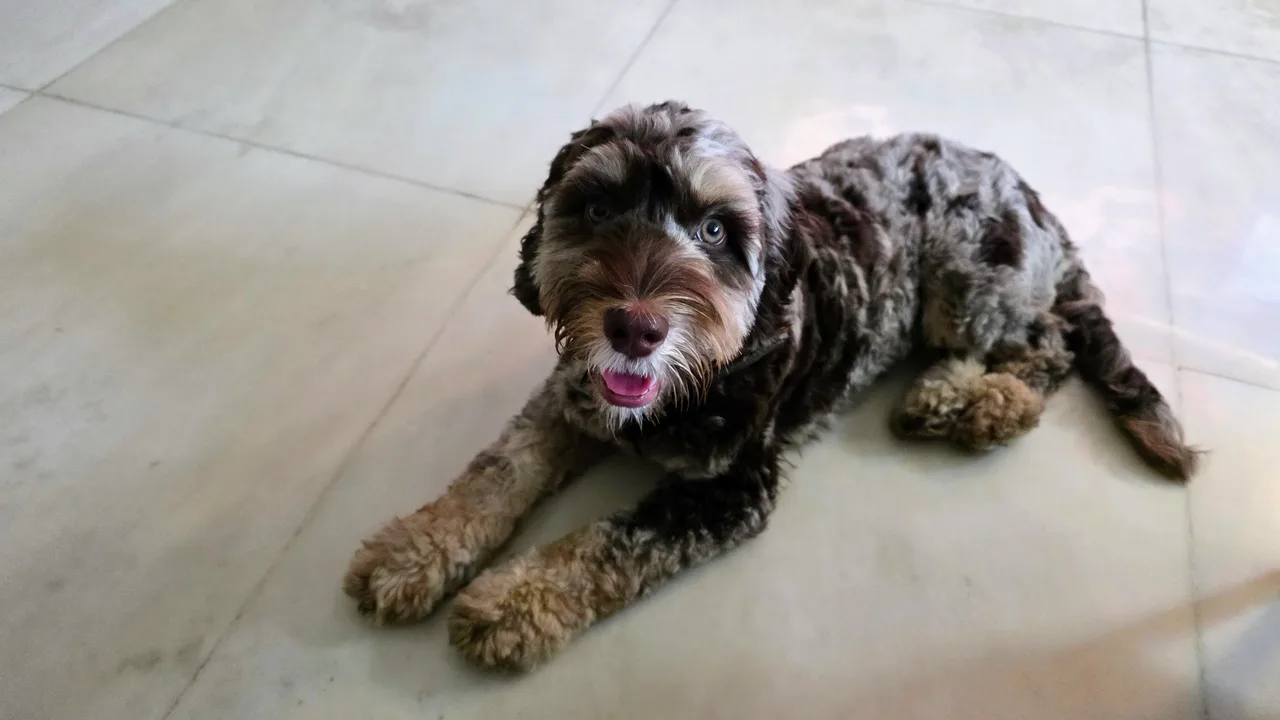
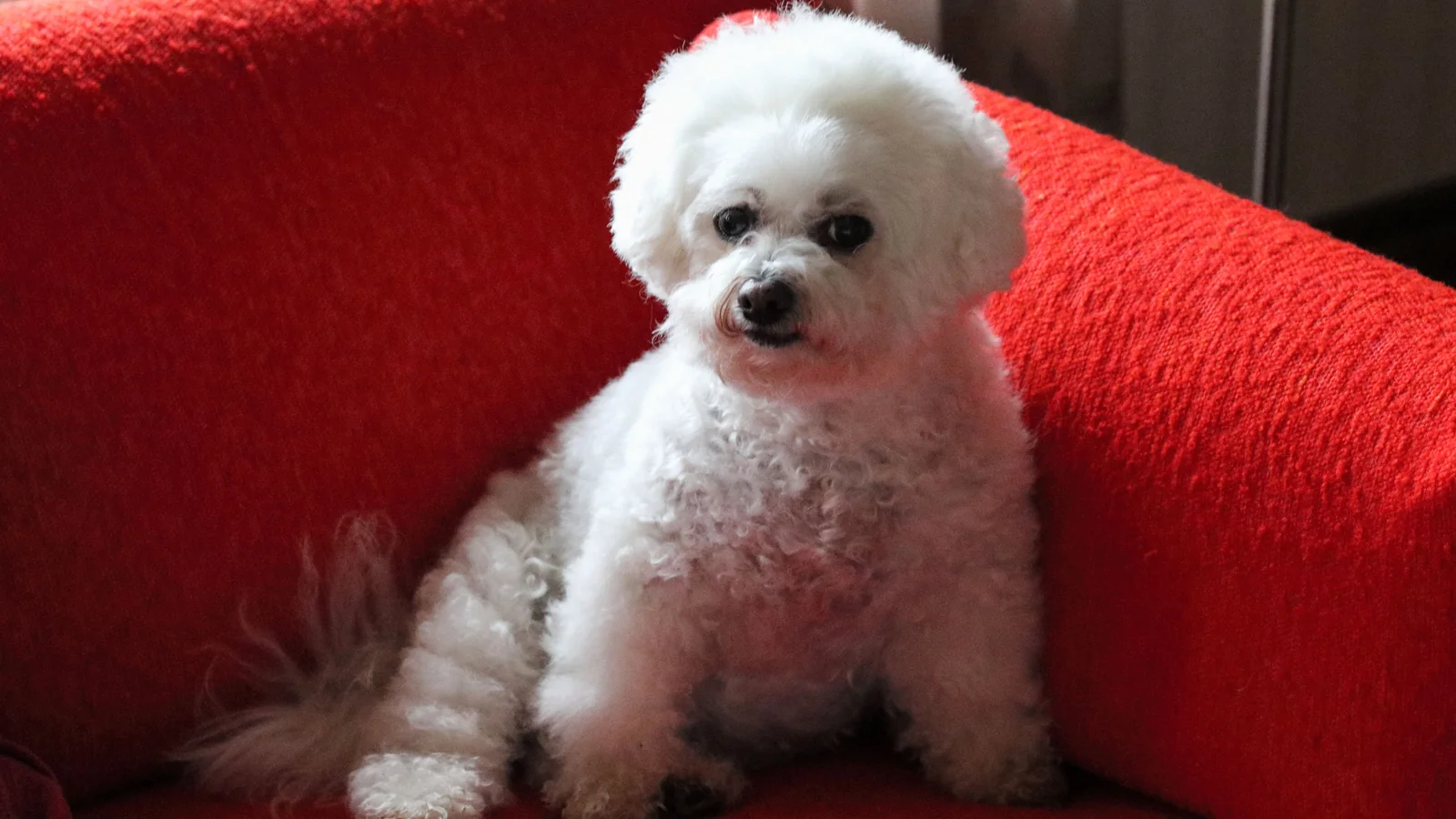
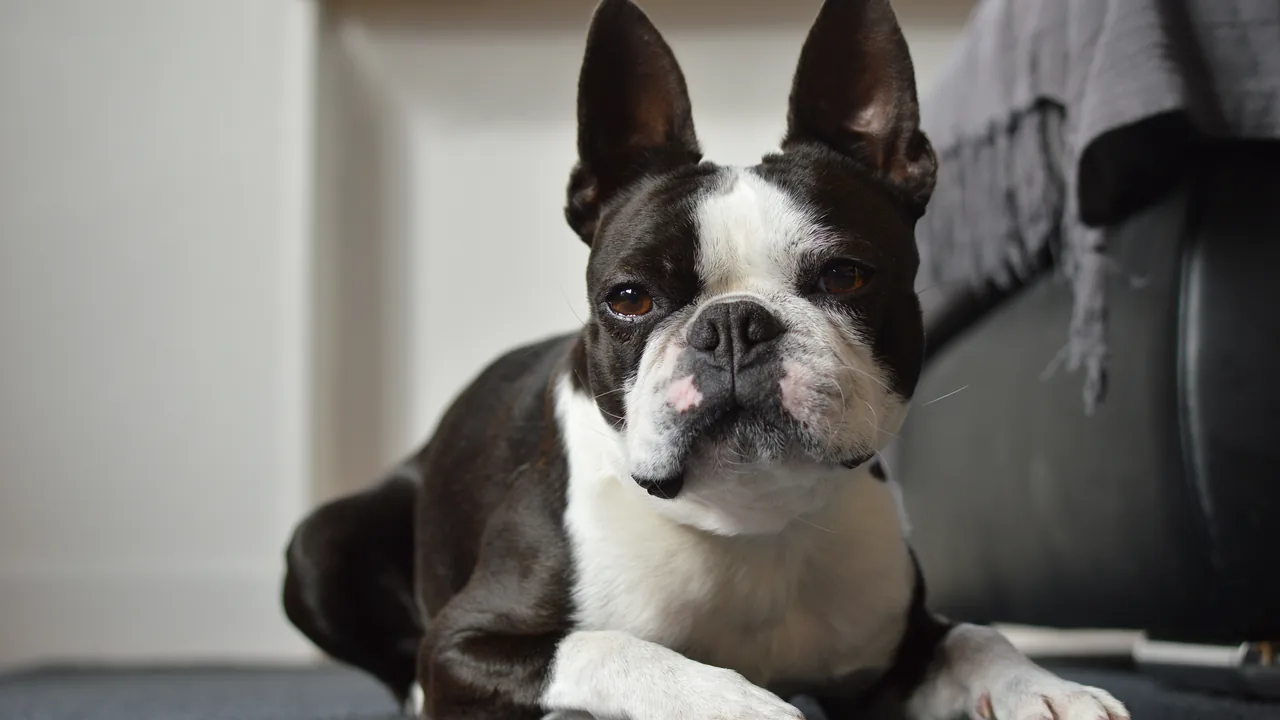
Shih-Poo vs...
Deciding between two breeds? See them side by side.
Find Shih-Poo-friendly spots in Singapore
Good spots to visit with a Shih-Poo in Singapore.
 Breed fit quiz Does a Shih-Poo actually suit your life? Answer a few questions about your lifestyle and see how well this breed matches your real setup. Find out →