

HDB-APPROVED · DOG BREED GUIDE
Last updated First published 31 May 2026
Notice one little habit together →A small idea to try, with progress kept in your Pack.
Also known as Cavalier, CKCS, Cav.
Thinking about adopting a Cavalier King Charles Spaniel?
A Cavalier King Charles Spaniel's ears flow like silk curtains, perfect for hiding a treat you weren't quite finished with, or perhaps a few secrets from the neighbours.
Can a Cavalier King Charles Spaniel live in an HDB flat?
YesOn the HDB approved-breed list
Named on HDB's approved small-breed list for flats. Check any listed variety restrictions and confirm the individual dog before committing.
HDB sets and maintains the approved-breed list. Check the current rules at HDB.gov.sg →
Full list of HDB-approved breeds on this site →At a glance
- Size category
- Small
- Weight
- 5.5 to 8 kg
- Height
- 30 to 33 cm
- Lifespan
- 9 to 14 years
- Energy level
- ●●●○○ 3/5 (editorial, unvalidated)
- Shedding
- ●●●○○ 3/5 (editorial, unvalidated)
- Heat tolerance
- ●●○○○ 2/5 (editorial, unvalidated)
- Barking
- ●●○○○ 2/5 (editorial, unvalidated)
- Trainability
- ●●●●○ 4/5 (editorial, unvalidated)
- Grooming needs
- ●●●○○ 3/5 (editorial, unvalidated)
- Origin
- United Kingdom
Editorial climate-care note
Moderate coat copes adequately but the breed's heart sensitivity means overheating during exercise needs watching closely.
This score is not a safe temperature or exercise limit. Any dog can develop heatstroke.
Plan activity around your dog, not a timer
A breed score cannot tell you how many minutes are safe today. Avoid hot conditions, watch your dog's breathing, and agree an activity plan with your vet.
Read PDSA's heatstroke guidance →Common health issues in Singapore's climate
Build a care budget
- Year 1
- S$4,199 to S$5,681
- Over 10 years
- S$38,861 to S$52,577
Illustrative planning assumptions for food, grooming and routine vet care, with inflation and a year-one setup uplift. These are not verified provider quotes or a lifespan prediction. Adjust the calculator to current quotes; add insurance, boarding and emergencies separately.
Run the full lifetime cost calculator →The Cavalier King Charles Spaniel is the closest the dog world gets to a default-friendly setting. It is gentle with children, soft with strangers, polite with other dogs, and reliably affectionate with every human in the household, including the ones who only visit. The Singapore version is identical to the version everywhere else, which is the good news. The harder news is that the breed carries some of the most concerning hereditary health risks of any small companion dog, and the honest version of this guide spends real time on that.
Temperament: what a Cavalier is actually like to live with
Cavaliers are built to be near you. They will follow you from room to room, lean against your leg while you cook, and take the spot on the sofa closest to whoever sat down last. This is the whole appeal of the breed, and it is also the part that catches new owners out. A Cavalier left alone for long stretches does not settle into it the way some independent breeds do. It notices, and it often shows that it minds, through whining, pacing, or destructive chewing that has more to do with genuine distress at being apart from its people than with ordinary boredom. If your household is out for a full working day on a routine basis, plan for company: a midday visitor, a walker, or part of the week in daycare.
They are not a watchdog breed. Barking is generally moderate and the breed's instinct with a stranger at the door is closer to hopeful than defensive. They are also food motivated in a way that makes them easy to train but easy to overfeed, since the same eagerness that makes a treat-based training session work will also have the dog convincingly asking for more at every meal, not just its own. With children, the breed's patience is genuinely one of its strongest traits, though any dog and any young child should still be supervised together as a matter of course.
Exercise in Singapore's climate
A Cavalier is not a high-drive dog. Two walks a day, totalling perhaps 40 minutes to an hour, plus some indoor play, is enough for most adult Cavaliers, and this is a breed that will happily match a quieter household's pace rather than demand more than it's given. The complication is not the breed's exercise needs, which are modest, but the combination of a moderately shortened muzzle, a heart that is statistically more likely than most breeds' to be under strain (see the health section below), and a climate that gives a dog very little cool air to recover in. Singapore's daily maximum runs 31 to 33 degrees Celsius, its daily minimum rarely drops below 23 to 25 degrees even at night, and relative humidity averages around 82% across the year, climbing above 90% in the early morning and only easing to around 60% on the driest afternoons (Meteorological Service Singapore, weather.gov.sg). That combination of heat and humidity limits a dog's ability to cool itself by panting, and it does so most at the times many owners assume are safe, like a "quick walk" at midday.
Walk before roughly 7am or after 7.30pm where you can, keep to grass or shaded routes rather than midday pavement, and carry water on anything longer than about 20 minutes. A Cavalier will generally keep going if you ask it to, past the point where it should stop, because it does not reliably self-regulate its own limit the way a more heat-adapted breed might. Watch for heavier panting than the effort should produce, slowing down, seeking shade unprompted, or reluctance to continue, and treat any of those as a reason to stop and cool down rather than push on. If a walk leaves your dog unusually tired, coughing, or slow to recover well after you're both home, that's worth a call to a vet rather than a shrug, given the breed's cardiac profile.
Coat and grooming in the humidity
The Cavalier's coat is moderate in length with feathering on the ears, chest, legs and tail, and it sheds at a moderate, fairly steady rate rather than in the seasonal blowouts some double-coated breeds go through. In Singapore's humidity, the coat itself copes reasonably well, but the feathered ears are the part that needs the most attention. Ears that stay damp after a walk in the rain, a swim, or simply the ambient humidity are more prone to the kind of ear infections this breed is already somewhat predisposed to (covered in the health section). Dry the ears and the leg feathering after anything wet, brush two or three times a week to stop the feathering matting, and have a groomer trim the ear hair and pad hair periodically so air can actually reach the ear canal. Persistent head-shaking, scratching at the ears, or an odour is a reason to see a vet rather than to just clean more aggressively at home.
Diet, feeding and hydration
Feeding a Cavalier is straightforward in principle and easy to get wrong in practice, because the breed's food motivation makes portion creep very easy to fall into, and this is a small dog for whom a small amount of extra food is a proportionally larger problem than it would be for a bigger breed. Feed measured portions rather than free access, and treat training treats as part of the day's food total, not an addition to it. In Singapore's heat and humidity, keep dry food in a sealed, airtight container rather than the paper bag it came in, since heat and moisture shorten how long kibble stays fresh and can encourage mould in opened bags left in a warm kitchen. Refresh water more often than you might in a cooler climate, and make sure it's readily available before and after a walk in the heat, not just at mealtimes. If you're ever unsure how much to feed, or your dog's weight is creeping up, a vet or vet nurse can help you recalibrate portions against actual body condition rather than a generic feeding guide.
Training: what's easy, what's hard
Cavaliers are genuinely easy to train in the sense that matters most for a first-time owner: they want to please you, they're food motivated, and they don't have the stubborn streak some other spaniels or terriers carry. Basic obedience, house training, and settling into a routine tend to go smoothly with consistent, reward-based handling. What's harder is anything that depends on the dog resisting its own nose or its own attachment to people. As a spaniel, a Cavalier's recall around an interesting scent, a bird, or another dog can be unreliable unless it's been built up carefully and reinforced regularly, so a long line is worth using in open spaces until recall is genuinely solid, not just usually fine. The other hard part is training for time alone, which does not come naturally to this breed and needs deliberate, gradual practice from puppyhood, building from very short absences rather than assuming the dog will adjust on its own once it's an adult.
Health: the section to read most carefully
This is the part of owning a Cavalier that matters most, and it deserves a plain, unhurried explanation rather than a list. The breed's temperament is exceptional. Its inherited health risk, particularly around the heart, is also genuinely higher than most companion breeds, and the responsible way to own one is to go in informed rather than surprised.
Heart disease: mitral valve disease
Mitral valve disease is degeneration of the heart's mitral valve that, in Cavaliers, tends to appear earlier and progress more than it does in the general dog population. A VetCompass study of clinical records for 1,749 Cavalier King Charles Spaniels across 151 primary-care veterinary practices in England (2007 to 2013) found a heart murmur recorded in 30.9% of the study group, with cardiac disorders overall recorded in 31.7% and mitral valve disorder specifically coded in 5.0% (O'Neill et al., VetCompass, published via NCBI PMC: pmc.ncbi.nlm.nih.gov/articles/PMC4579365). A separate, larger analysis of the UK breed heart-testing scheme covering 8,860 dogs examined between 1991 and 2010 found the median age at which a murmur consistent with the disease was first detected sat around 7.8 to 8.6 years depending on the dog's sex and who examined it, with specialist cardiologists tending to pick it up earlier than general practitioners (7.2 versus 8.6 years) (Swift et al., 2017, Journal of Veterinary Internal Medicine: pubmed.ncbi.nlm.nih.gov/28054393). In practice this means a murmur is something many Cavaliers develop somewhere in mid to later life rather than something present from puppyhood, which is exactly why ongoing screening of breeding stock, not just a one-off puppy check, is the point.
The UK Kennel Club runs a dedicated Heart Scheme for the breed, supported by the Veterinary Cardiovascular Society, in which approved cardiologists grade a dog's murmur (0 to 3+) by stethoscope and its mitral valve prolapse by echocardiogram. Breeding stock is expected to be tested from 18 months old, with retesting recommended at 2, 4 and 6 years as the dog ages (The Kennel Club: royalkennelclub.com, Heart Scheme for Cavalier King Charles Spaniels). If you're getting a puppy, ask directly whether both parents have current heart scheme results (or equivalent cardiologist grading from a vet cardiologist) and what those results were, rather than accepting a general assurance that "the parents are healthy." Any unexplained coughing, tiring faster than usual on a walk, or fainting in your own dog is something to raise with a vet promptly, not something to watch and wait on.
Syringomyelia and Chiari-like malformation
Chiari-like malformation is a mismatch between the size of the skull and the brain tissue it holds, and it is widespread enough in this breed to have its own dedicated screening scheme. In some affected dogs it leads to syringomyelia, fluid-filled cavities that form within the spinal cord and can cause pain, sensitivity around the neck and shoulders, or scratching at the neck and ears without actually touching them. Diagnosis requires an MRI scan; it isn't something a vet can determine on a standard physical exam. The British Veterinary Association and the UK Kennel Club run a joint MRI screening project for the condition, grading scans from 0 (normal) to 2 (syringomyelia present, defined as central canal dilation of 2mm or more), with the aim of building better breeding guidance from the data (BVA/Kennel Club CM/SM scheme: bva.co.uk, CM/SM scheme). One published MRI study of 133 Cavaliers across the UK, Canada and the Netherlands found syringomyelia present in up to 70% of dogs that already showed Chiari-like malformation on scan, underlining how closely the two conditions travel together once malformation is present (peer-reviewed study via NCBI PMC: pmc.ncbi.nlm.nih.gov/articles/PMC4579371).
It's worth being precise about what that 70% figure does and doesn't tell you: it's the rate within a group of dogs already scanned and already known to have the underlying malformation, not the rate across all Cavaliers. In the same VetCompass primary-care dataset referenced above, syringomyelia or Chiari-like malformation was recorded as a clinical diagnosis in only about 1.7% of the 1,749 dogs (29 dogs), which reflects how few dogs are actually scanned unless they're showing symptoms severe enough to prompt an MRI referral, not that the underlying malformation is rare. Put plainly: the condition is under-diagnosed in general veterinary practice relative to how common it appears to be on screening, because most dogs are never scanned. If you're buying a puppy, ask whether the parents have been MRI-screened under a recognised scheme and what grade they received; if you're already living with a Cavalier, any scratching near the neck or ear without contact, apparent neck pain, or unusual sensitivity to collar or touch around the head and neck is worth a vet visit specifically flagging this possibility.
Ears and eyes
The same VetCompass study found ear disorders recorded in 12.5% of the study group overall, with otitis externa (outer ear infection) alone at 9.2%. The floppy, feathered ear shape restricts airflow to the ear canal, and Singapore's humidity, above 90% in the early morning by the Meteorological Service's figures, makes it easier for moisture to linger there after walks, baths or rain, which is why the drying routine described above matters as more than a cosmetic habit.
On eyes, the UK Kennel Club's breed health guidance names cataract (both congenital and juvenile forms) and multifocal retinal dysplasia as the main inherited eye conditions in the breed, screened for through the BVA/Kennel Club/International Sheep Dog Society Eye Scheme, and notes these are now much less common thanks to breeder screening over time (The Kennel Club, Cavalier King Charles Spaniel breed page: royalkennelclub.com breed page). The VetCompass dataset recorded ocular disorders overall in 20.6% of the study group, though most of that figure was minor issues like conjunctivitis (7.5%) and corneal disorders (6.5%) rather than the inherited conditions above.
Joints and other screened conditions
Patella (kneecap) stability is worth a specific check in any small breed, Cavaliers included, since loose or luxating patellas are a general small-breed vulnerability rather than something unique to this one. The UK Kennel Club also lists DNA tests for curly coat/dry eye syndrome and episodic falling as good-practice screening for Cavalier breeding stock, on the basis that both are a significant concern in the breed (same Kennel Club breed page as above). If you're buying a puppy, it's reasonable to ask whether the parents have clear results for both.
None of this is a reason to rule the breed out if you go in with your eyes open. Screening exists and works when breeders actually use it, and a Cavalier bought from parents with current heart, eye and MRI results behind them is a meaningfully different proposition to one bought without any of that. Take out pet insurance as early as possible, ideally before your dog's first vet visit ever records a murmur or any other finding, since conditions typically become "pre-existing" the moment a vet notes them. Any health question specific to your own dog belongs with your vet, not with this page.
Housing and space: HDB and AVS rules
HDB sets and maintains its own approved-breed list for HDB flats, separately from AVS's ownership rules, and the Cavalier King Charles Spaniel is on that list at the time of writing. Lists like this can be revised, so check the current position directly at HDB's own pet-keeping page before you commit, rather than relying on this or any other secondary source.
Separately, AVS caps how many dogs and cats a household can keep at all. An HDB flat may keep at most one dog of an approved small breed (alongside up to two cats), while private property may keep up to three cats or dogs in combination (AVS, Limits of Ownership: avs.nparks.gov.sg, limits of ownership). Whichever property type you're in, every dog needs to be licensed with AVS. Licence fees depend on sterilisation status, age and the number of pets. One-time and three-year licences are different options. Check the current AVS fee table before paying: avs.nparks.gov.sg, licence fees).
Within a flat, a Cavalier is an easy size to house. It doesn't need a large floor area and settles well as long as it has company. A three-room flat upward is comfortable; the limiting factor for this breed is rarely space, it's the amount of time the dog will spend alone.
Care, cost and maintenance
Vet care, not food or grooming, is the dominant cost line over a Cavalier's lifetime, and that's a direct consequence of the health risks above rather than anything unusual about routine care. Cardiology screening through breeding age and beyond, and the possibility of ongoing cardiac or neurological medication and monitoring later in life, are what separate this breed's lifetime spend from a similarly sized dog without the same predispositions. The cost figures and annual breakdown shown elsewhere on this page reflect that weighting; grooming and food for a dog this size are unremarkable by comparison, it's the vet line that makes insurance and a realistic budget matter more than for most breeds.
Getting a Cavalier King Charles Spaniel: what to ask, and adoption
If you're going through a breeder, the questions that matter most are the ones tied directly to the health section above, not general reassurance. Ask whether both parents have current results under a recognised heart scheme (grading a murmur and mitral valve prolapse), and what those results were, not just whether the parents have "been checked." Ask whether the parents have been MRI-screened for Chiari-like malformation and syringomyelia, and what grade they received, since not every breeder screens for this even though a recognised scheme exists. Ask about eye scheme results and, per the Kennel Club's own good-practice guidance for this breed, DNA test results for curly coat/dry eye syndrome and episodic falling. In Singapore specifically, dog breeding for commercial purposes requires a licence from AVS to farm or breed animals (AVS: avs.nparks.gov.sg, applying for a licence to farm or breed animals), and it's reasonable to ask to see it. A breeder who can't produce paperwork for any of the above, or who waves the question away, is telling you something.
Adoption is a real option and worth taking seriously rather than treating as a fallback. AVS maintains a directory of animal welfare groups it works with for adoption, spanning several organisations across dogs, cats and other pets (AVS: avs.nparks.gov.sg, adopting from an animal welfare group). Most dogs available through these groups are mixed breed or of unknown parentage rather than a specific pedigree breed, and a purebred Cavalier turning up is the exception rather than something you can rely on when you look. If you're open to an adult dog of mixed or unclear background rather than fixed on this exact breed, adoption opens up a much wider set of options, and it's worth checking those listings regularly. Whichever route you take, treat an unusually low price or an unclear origin as a warning rather than a good sign; it usually means the screening described in the health section hasn't happened.
Life stages: puppy to senior
Puppy
The first year is about socialisation, house training and building the foundations for recall and time-alone tolerance described above, both far easier to build gradually in a puppy than to fix later in an adult with established habits. Keep exercise gentle while the skeleton is still developing; a vet can advise on what's appropriate at each stage. Regular vet visits for vaccinations and general checks are also the first chance to start a baseline health record, which matters given how much of this breed's risk shows up over time rather than at birth.
Adult
Through the middle years, a Cavalier generally settles into a steady routine of two walks a day and affectionate downtime at home, without the exercise demands some other breeds ramp up to at this stage. This is also the window in which the heart scheme testing ages recommended by the Kennel Club, 2, 4 and 6 years, fall, and it's worth keeping to that kind of schedule for your own dog even if it seems perfectly well, since a murmur consistent with mitral valve disease often first appears without any obvious symptoms at home.
Senior
The breed's typical lifespan runs roughly 9 to 14 years, and the back half of that is where the health risks discussed above become most relevant in practice, since the median age of first murmur detection in the UK breed scheme data sat around 7.8 to 8.6 years. A senior Cavalier may need more frequent vet checks, medication management if a cardiac or neurological condition has been diagnosed, and gentler, shorter exercise, particularly in the heat. This is also the stage where the calm, settled temperament that defines the breed becomes most valuable to the dog itself: a Cavalier that's been well managed medically can still have a genuinely comfortable old age.
Three things to know
-
The heart is the budget
Plan, in writing, for cardiology screening from year 2 or 3, and the possibility of escalating vet care and medication costs from around age 7 or 8 onward, when murmurs consistent with mitral valve disease most commonly first appear. Pet insurance taken out before the first murmur is the single most consequential financial decision you will make about this breed.
-
The temperament is the gift
No other breed in this guide is as gentle, as soft, or as unconditionally bonded to its people. If your household needs a calm, affectionate, child-tolerant dog and you can fund the medical side, very few breeds match.
-
Do not let a Cavalier choose its own exercise limit
The breed will keep going past safety in heat or excitement. You are the one who sets the walk length, the rest stops, and the home time, especially through the SG summer months.
Annual cost in Singapore
Editable planning estimates, not verified provider quotes or a prediction of your dog's bills. Boarding, one-off equipment and emergencies are additional.
- Food
- S$1,100
- Grooming
- S$900
- Routine vet
- S$1,800
- Sum of the three
- S$3,800/year
Run the lifetime cost calculator →
Get a current insurance quote for your dog's age and circumstances. Compare exclusions, waiting periods, excess and cover limits. Compare policy questions here →
Frequently asked questions
Is a Cavalier King Charles Spaniel HDB-approved in Singapore?
Yes. The Cavalier King Charles Spaniel is on the HDB list of breeds approved for flats. Confirm the current HDB and AVS rules before you commit, as the approved list can change.
Do Cavalier King Charles Spaniels bark a lot?
Our current barking assessment is: is fairly quiet (editorial estimate). It has not been independently validated. Ask about this dog's observed behaviour, triggers and time alone; the breed label cannot predict your neighbour's experience.
How much grooming does a Cavalier King Charles Spaniel need?
Our current grooming assessment is: needs moderate grooming (editorial estimate). Confirm the individual coat-care routine and any professional grooming with the rescue, groomer or vet. The score is not a measured frequency or price.
How does a Cavalier King Charles Spaniel cope with Singapore's heat?
An editorial heat score cannot establish a safe temperature or walk duration for an individual dog. Activity, humidity, health, age and body shape matter. Avoid hot conditions, provide shade and water, and ask your vet about an appropriate activity plan.
Is a Cavalier King Charles Spaniel a good breed for a first-time owner?
Our household-fit note is: Editorial: may suit. This is not a validated prediction. Assess the individual dog, your daily capacity, training support and known care needs before deciding.
How much does a Cavalier King Charles Spaniel cost to keep in Singapore?
The stored planning assumption is S$3,800 a year for food, grooming and routine veterinary care. It is not a verified typical cost for this breed. Replace it with current quotes and your own usage; add setup, licensing, insurance if chosen, boarding and emergency savings separately.
Other small breeds to consider
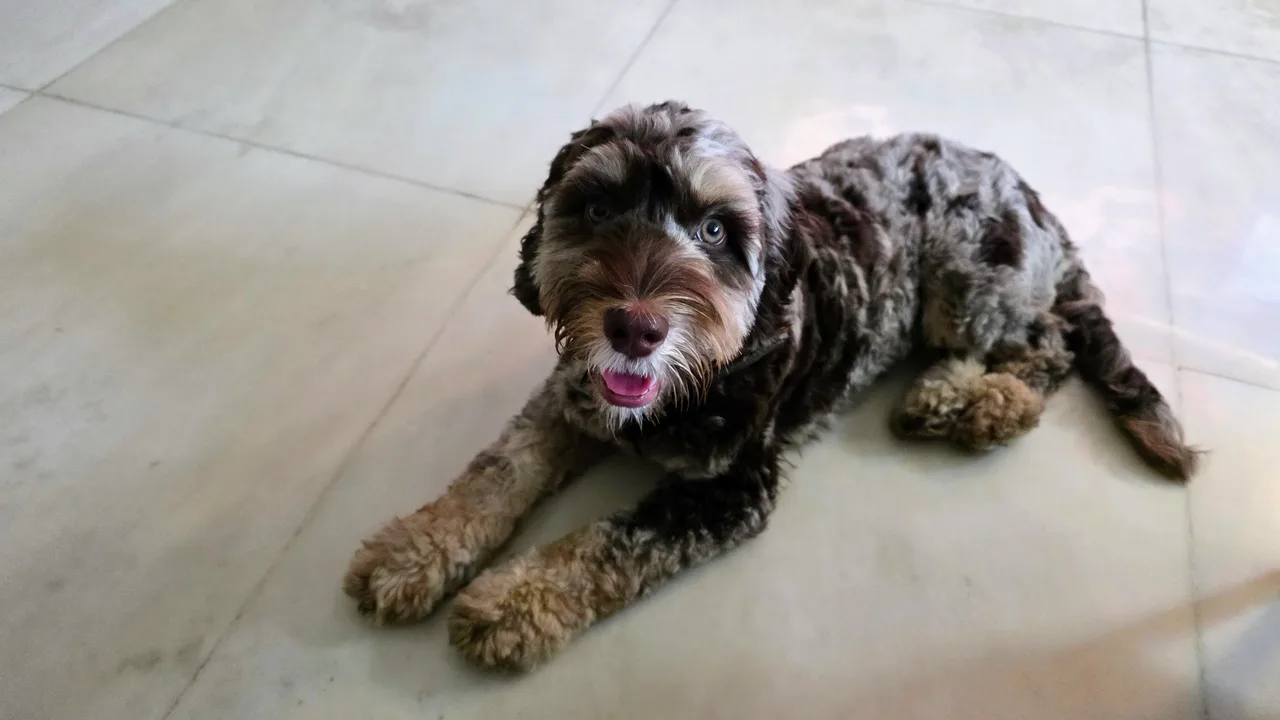
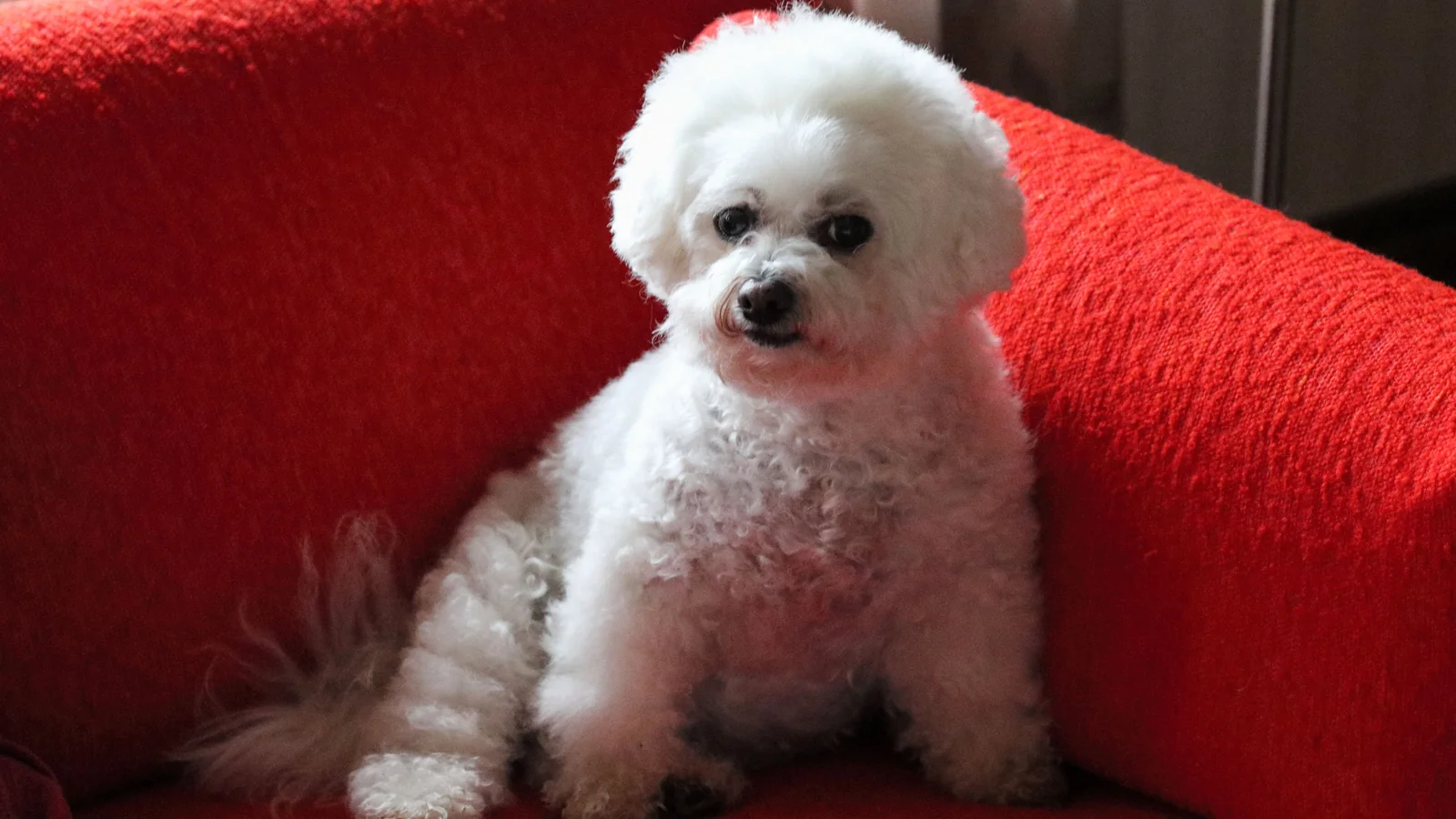
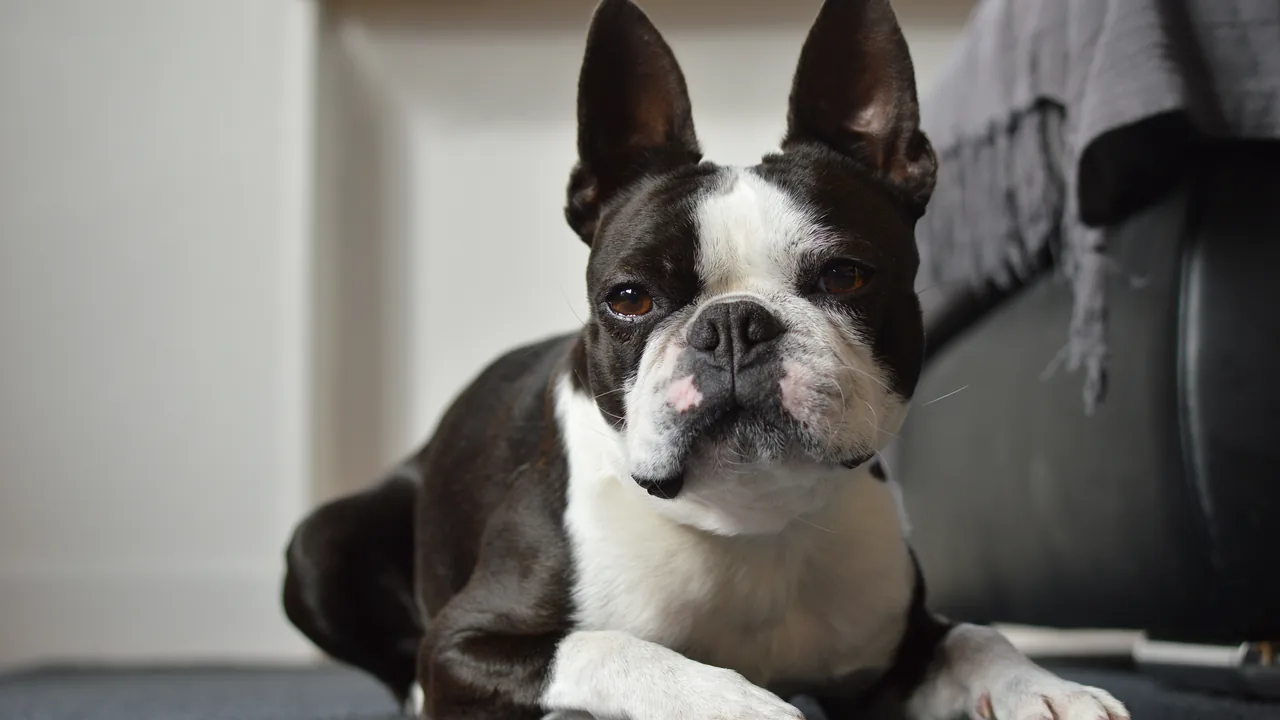
A Cavalier King Charles Spaniel in Singapore, the short version
A Cavalier King Charles Spaniel is HDB-approved and a comfortable fit for flat life, gentle, moderate exercise needs, and affectionate indoors. Its coat manages Singapore's humidity adequately, though regular grooming helps keep it comfortable. The bigger consideration is the breed's well-documented heart sensitivity, which means exercise should be steady rather than intense, and any unusual tiredness after a walk is worth a vet visit rather than a shrug. HDB flats and condos both work well given its moderate size and needs. Owners should budget for regular cardiac checkups as a routine cost, not an unexpected one, given how common heart issues are in this breed.
Cavalier King Charles Spaniel vs...
Deciding between two breeds? See them side by side.
Find Cavalier King Charles Spaniel-friendly spots in Singapore
Good spots to visit with a Cavalier King Charles Spaniel in Singapore.
 Find Your Match Meet Cavalier King Charles Spaniel first “I'm named after a literal king and I carry the title with tremendous, undeserved confidence” Swipe through a dating-profile-style card before you commit. Say hello →
 Breed fit quiz Does a Cavalier King Charles Spaniel actually suit your life? Answer a few questions about your lifestyle and see how well this breed matches your real setup. Find out →