
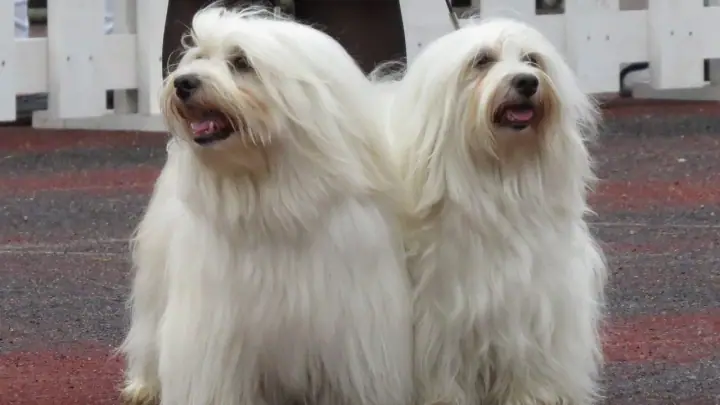
HDB-APPROVED · DOG BREED GUIDE
Last updated First published 31 May 2026
Notice one little habit together →A small idea to try, with progress kept in your Pack.
Also known as Havana Silk Dog, Bichon Havanese.
Thinking about adopting a Havanese?
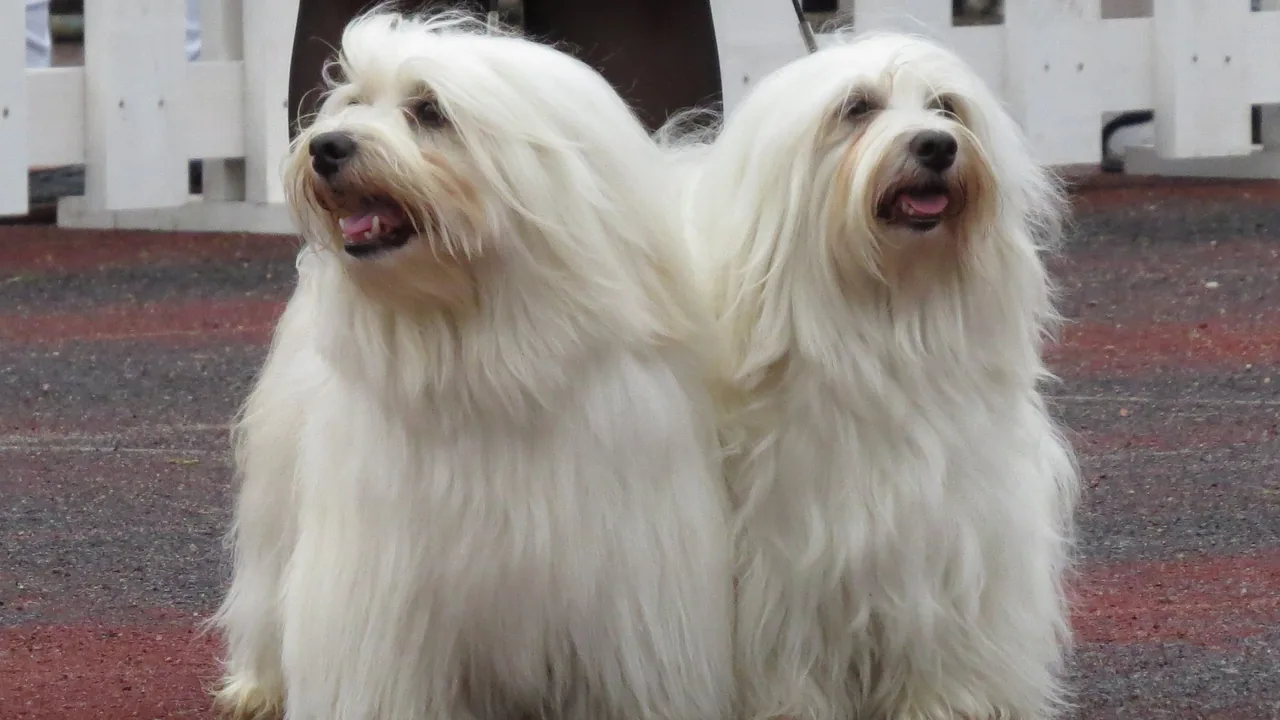
The Havanese, with its silky fur and penchant for human laps, may have invented the job of professional snuggler, and in a country where air-conditioning is a must, that's a career choice with promise.
Can a Havanese live in an HDB flat?
YesOn the HDB approved-breed list
Named on HDB's approved small-breed list for flats. Check any listed variety restrictions and confirm the individual dog before committing.
HDB sets and maintains the approved-breed list. Check the current rules at HDB.gov.sg →
Full list of HDB-approved breeds on this site →At a glance
- Size category
- Small
- Weight
- 3 to 6 kg
- Height
- 21 to 29 cm
- Lifespan
- 14 to 16 years
- Energy level
- ●●●○○ 3/5 (editorial, unvalidated)
- Shedding
- ●○○○○ 1/5 (editorial, unvalidated)
- Heat tolerance
- ●●●○○ 3/5 (editorial, unvalidated)
- Barking
- ●●●○○ 3/5 (editorial, unvalidated)
- Trainability
- ●●●●● 5/5 (editorial, unvalidated)
- Grooming needs
- ●●●●● 5/5 (editorial, unvalidated)
- Origin
- Cuba (national dog; descended from the now-extinct Blanquito de la Habana)
Editorial climate-care note
Heat tolerance rated 3 out of 5. The Havanese's long silky coat can be kept short in Singapore's 28 to 32 degrees Celsius climate to improve comfort. Despite tropical origins in Cuba, the humidity and heat here require walks before 8am or after 7pm. Regular grooming every 6 to 8 weeks is essential to prevent matting and skin issues from the humidity.
This score is not a safe temperature or exercise limit. Any dog can develop heatstroke.
Plan activity around your dog, not a timer
A breed score cannot tell you how many minutes are safe today. Avoid hot conditions, watch your dog's breathing, and agree an activity plan with your vet.
Read PDSA's heatstroke guidance →Common health issues in Singapore's climate
Build a care budget
- Year 1
- S$3,868 to S$5,233
- Over 10 years
- S$35,793 to S$48,426
Illustrative planning assumptions for food, grooming and routine vet care, with inflation and a year-one setup uplift. These are not verified provider quotes or a lifespan prediction. Adjust the calculator to current quotes; add insurance, boarding and emergencies separately.
Run the full lifetime cost calculator →The Havanese is the national dog of Cuba, the only dog breed native to the country, and one of a small handful of pedigree breeds developed specifically for the role of being lovely company indoors, not for work. That brief still describes the breed accurately, and it suits an HDB flat better than most dogs this guide covers, once you understand what the breed asks of you day to day.
Temperament: what a Havanese is actually like to live with
The Havanese Club of America's breed standard, approved by the American Kennel Club, describes the character as "friendly, playful, alert and intelligent with a sweet, non-quarrelsome disposition", and treats aggression or shyness as faults, not breed traits. The UK Kennel Club's standard agrees: "lively, affectionate and intelligent" with a "friendly, outgoing" nature. That temperament is usually obvious within the first week home.
What the standard does not spell out is how attached the breed becomes. Havanese are often called "Velcro dogs" because they organise their day around being in the same room as their person. That closeness is the appeal, but it is also the honest downside: a Havanese left alone for a full HDB workday, five days a week, is a genuine candidate for separation anxiety, not an exaggeration for effect. The workable pattern is a household where someone is usually within reach, whether a work-from-home arrangement, staggered schedules, or a midday walker or half-day daycare a few times a week.
The other trait worth knowing is the barking. Havanese tend to announce the doorbell, the lift arriving, and the neighbour's dog through a thin HDB wall. It is not constant noise, but it is not silent either, so if a quiet flat matters to you, factor in early training on a "quiet" cue.
Exercise in Singapore's climate
Singapore's daily minimum temperature usually sits between 23 and 25 degrees Celsius overnight, climbing to 31 to 33 degrees by day, with May the warmest month on average and December and January the coolest. Mean relative humidity runs around 82 percent across the year, above 90 percent in the early morning, down to around 60 percent on a dry afternoon (Meteorological Service Singapore). Heat tolerance is rated a moderate 3 out of 5 in this guide, forgiving for a small dog, so the exercise window matters more than the exercise volume.
Before 8am and after 7pm are the sensible defaults, once the pavement has cooled and the early humidity peak has eased. Two walks of 20 to 30 minutes a day plus loose indoor play covers the breed's actual needs, and a longer weekend outing in a shaded park is a bonus, not a requirement. Watch the dog rather than the clock at midday: heavy panting that does not settle, reluctance to keep moving, or seeking out tile floors are normal small-dog responses to heat, and a signal to stop rather than push through.
Coat and grooming in the humidity
One correction worth making plainly: the Havanese coat is not a single layer. Both the Kennel Club and the Havanese Club of America breed standards describe a double-layered coat, a silky outer coat over a soft undercoat. A double coat traps more warm, damp air near the skin than a true single coat does, which is why grooming discipline carries more weight in Singapore than in a drier, cooler climate.
The coat mats fastest where skin folds and airflow are worst: behind the ears, in the armpits, and around the groin and tail base. Left ungroomed for even a couple of weeks in the humidity, those spots felt into knots that trap moisture against the skin, and damp, matted fur is where hot spots and yeast irritation tend to start. Weekly brushing down to the skin, not just over the top of the coat, prevents most of this. After a walk in the rain or a bath, dry the dog properly around those fold areas rather than letting the coat air dry in a humid flat.
Most Singapore owners settle into a shorter "puppy cut" for this reason. Clipping the coat short does not remove the breed's identity, but it cuts drying time, makes mats far less likely, and makes the daily heat more comfortable to carry. A full, long show-style coat looks striking but is a genuinely bigger commitment in this climate, not just a cosmetic choice. Either way, a full groom every 6 to 8 weeks alongside weekly home brushing is the standing appointment for the dog's life.
Diet and feeding
Humidity changes the practical side of feeding. Dry kibble left in an open bag picks up moisture from the air, speeding spoilage and making it more prone to going stale or, in bad cases, growing mould; an airtight container and a bag size the dog will finish within a few weeks both help.
Portioning matters more than the small serving size suggests. This is a toy breed carrying 3 to 6kg on a light frame, so a few extra grams a day adds up quickly. Because the breed's tracked health concerns already include the joints, patellar luxation among them, keeping the dog lean is one of the more useful things an owner controls directly, since excess weight is an avoidable extra load on knees already doing more work than they should.
Hydration needs a bit more attention here than in a temperate climate. Offer water before and after a walk, and in the hottest part of the day watch for a dog drinking noticeably more, panting harder than usual, or going off its food. A short-term dip in appetite during a hot spell is common, but a Havanese that stops eating for more than a day or two, in any weather, is worth a call to the vet.
Training
Training is the genuinely easy part of the breed. Havanese have a long history as trick and performance dogs, and the trainability shows: basic obedience typically clicks within a couple of weeks, and trick training, a bow, a spin, a roll-over, is cheap indoor entertainment for a dog that cannot always be walked at midday. The breed is sensitive to harsh handling and tends to shut down or grow anxious rather than improve, so positive reinforcement, short sessions and consistency are the whole method it needs. Worth deliberate, early investment is a reliable "quiet" cue for the doorbell and lift-arrival barking, plus short, calm alone-time practice from puppyhood.
Health
This is guidance on what to ask and watch for, not a diagnostic list. Any lump, limp, cloudy eye or change in behaviour is a vet visit, not a home judgement call.
On the eyes, the Havanese Club of America notes that most cataracts in the breed are inherited and recommends an annual eye exam by a board-certified veterinary ophthalmologist (CAER certification), plus cherry eye, a prolapse of the third eyelid's tear gland, which some breeds appear predisposed to without proven inheritance.
On joints, patellar luxation (a kneecap slipping its groove) and hip dysplasia are both tracked, with OFA patella certification from 12 months and a hip evaluation from 2 years old part of the recommended testing under the Havanese Club of America's official health statement, hosted by the American Kennel Club. The same sources track Legg-Calve-Perthes disease, a loss of blood supply to the hip joint in young dogs, and chondrodysplasia, a growth disorder producing shortened or bowed legs the breed standard does not describe as normal but the parent club tracks as present in the breed.
On the heart and thyroid, the Havanese Club of America's testing guide recommends annual cardiac auscultation "especially after the age of 5 or 6 years", and notes autoimmune thyroiditis, the most common cause of hypothyroidism in the breed, "clinically manifests itself at approximately 2 to 5 years of age", with annual thyroid testing recommended through the first four years.
On digestion, the parent club tracks congenital liver shunts, where blood bypasses the liver and toxins build up, producing lethargy, weakness or, in serious cases, neurological signs, typically before six months old. Dental health has no documented breed-specific predisposition in the sources checked here, but routine attention still matters, since crowded jaws in toy breeds generally make tartar build-up more likely.
None of this should read as a breed in poor health. The Havanese has one of the longer lifespans in this guide, typically 14 to 16 years, and most of the above is manageable with annual vet visits and the screening tests a reputable breeder should already be doing on the parents.
Housing and space in an HDB flat
HDB sets and maintains its own approved-breed list for flats, separate from AVS licensing rules, and the Havanese appears on that list under the name "Bichon Havanese". Because HDB is the authority that maintains and can change that list, always check the current version directly: HDB's keeping pets page.
Separately, AVS sets ownership limits regardless of address type: an HDB flat may keep a maximum of one dog of an approved small breed (alongside up to two cats), while private property may keep up to three cats or dogs in combination (AVS ownership limits). Every dog also needs an AVS licence: at the time of writing, in August 2026, a sterilised dog costs S$15 for one year, S$25 for two years, S$35 for three years or S$35 as a one-time licence; an unsterilised dog costs S$90, S$165, S$230 or S$230 across the same terms, with a 10 percent rebate for GIRO, online or AXS payment. AVS has stated fees move to a single, harmonised structure from 1 September 2026, so check the AVS licence fees page before renewing.
The breed is well suited to a flat on space alone: light-framed, moderate energy, and small enough that almost no Havanese approaches the size limits that rule out larger breeds. The harder question was never the square footage. It is the hours the flat sits empty, the temperament point above.
Life stages: puppy to senior
The puppy months are where the coat, handling and alone-time habits above matter most: a Havanese that learns early to tolerate brushing, nail trims and short stretches alone settles into an easier adult. Adulthood, roughly one to eight or nine years old, is the steady stretch, where the grooming and exercise routine above becomes a fixed weekly rhythm rather than a project.
Given a typical lifespan of 14 to 16 years, plan for a longer senior stage than many small breeds get. Watch for the joint and eye conditions above becoming more noticeable with age, keep the annual vet visits going even when the dog seems well, and expect exercise needs to shorten gradually; a slower, shorter version of the same early or late walk usually suits an older Havanese better than skipping walks altogether.
Care, Cost & Maintenance in SG
The cost ranges and annual breakdown above cover the numbers, so this section covers what drives them. Grooming is the largest ongoing line, for the coat reasons covered earlier: a fixed, recurring appointment every 6 to 8 weeks, where a shorter cut generally costs less than maintaining a full, uncut coat. Local supply is thin, and waitlists from a licensed breeder of six to twelve months are common; a puppy priced well outside a licensed breeder's usual range is a reason to ask more questions, not fewer. Pet insurance is worth pricing before you commit, particularly for orthopaedic and eye cover, given how long the breed typically lives.
Where to Find a Reputable Havanese Breeder in Singapore
Insist on the breeder's AVS dog farm licence number, hip and patella certification on both parents, an eye certification from a board-certified ophthalmologist, and a written health guarantee. Ask which line the parents come from and how the breeder matches puppies to homes. Good Havanese breeders tend to be hands-on about this and will turn down a placement that looks like the dog would spend long days alone, for the reasons covered under temperament above.
Adoption is realistic but uncommon for this specific breed. Havanese show up in the local rescue network occasionally, more often as crosses or as a small silky-coated rescue later identified as Havanese-type; SOSD and other local rescues rehome small companion dogs that fit a similar role. Project ADORE is a separate AVS scheme worth knowing about even though it does not apply here: it lets HDB residents adopt local mixed-breed dogs, Singapore Specials up to 55cm at the shoulder, that would not otherwise be permitted in a flat, and it excludes Havanese and Havanese-type dogs since the breed is already on HDB's own list.
What to skip: any "rare colour" Havanese priced unusually high, any breeder unwilling to share the parent dogs' health screenings, and any informal import without paperwork. Informal local supply tends to mean unscreened supply, with the health conditions above as the likely long-term bill.
Three things to know
-
The breed is designed for company
A Havanese in a household where someone is home most of the day is a content, gentle, easy dog. A Havanese alone from 9am to 7pm five days a week is a separation-anxiety candidate. Match the lifestyle honestly before you bring the puppy home.
-
The coat is a long-term commitment
Most Singapore owners settle on a puppy cut for practical reasons, and the breed looks lovely in either. Either way, weekly brushing at home plus a full groom every 6 to 8 weeks is the deal you sign for the next 15 years.
-
The HDB approval is one of the safest in this guide
Almost no Havanese in Singapore approaches the size cap. The harder question is companionship, not legality, and that is the question worth spending most of the planning time on.
Annual cost in Singapore
Editable planning estimates, not verified provider quotes or a prediction of your dog's bills. Boarding, one-off equipment and emergencies are additional.
- Food
- S$900
- Grooming
- S$1,400
- Routine vet
- S$1,200
- Sum of the three
- S$3,500/year
Run the lifetime cost calculator →
Get a current insurance quote for your dog's age and circumstances. Compare exclusions, waiting periods, excess and cover limits. Compare policy questions here →
Frequently asked questions
Is a Havanese HDB-approved in Singapore?
Yes. The Havanese is on the HDB list of breeds approved for flats. Confirm the current HDB and AVS rules before you commit, as the approved list can change.
Do Havaneses bark a lot?
Our current barking assessment is: has a moderate bark (editorial estimate). It has not been independently validated. Ask about this dog's observed behaviour, triggers and time alone; the breed label cannot predict your neighbour's experience.
How much grooming does a Havanese need?
Our current grooming assessment is: needs a lot of grooming, including regular professional trims (editorial estimate). Confirm the individual coat-care routine and any professional grooming with the rescue, groomer or vet. The score is not a measured frequency or price.
How does a Havanese cope with Singapore's heat?
An editorial heat score cannot establish a safe temperature or walk duration for an individual dog. Activity, humidity, health, age and body shape matter. Avoid hot conditions, provide shade and water, and ask your vet about an appropriate activity plan.
Is a Havanese a good breed for a first-time owner?
Our household-fit note is: Editorial: may suit. This is not a validated prediction. Assess the individual dog, your daily capacity, training support and known care needs before deciding.
How much does a Havanese cost to keep in Singapore?
The stored planning assumption is S$3,500 a year for food, grooming and routine veterinary care. It is not a verified typical cost for this breed. Replace it with current quotes and your own usage; add setup, licensing, insurance if chosen, boarding and emergency savings separately.
Other small breeds to consider
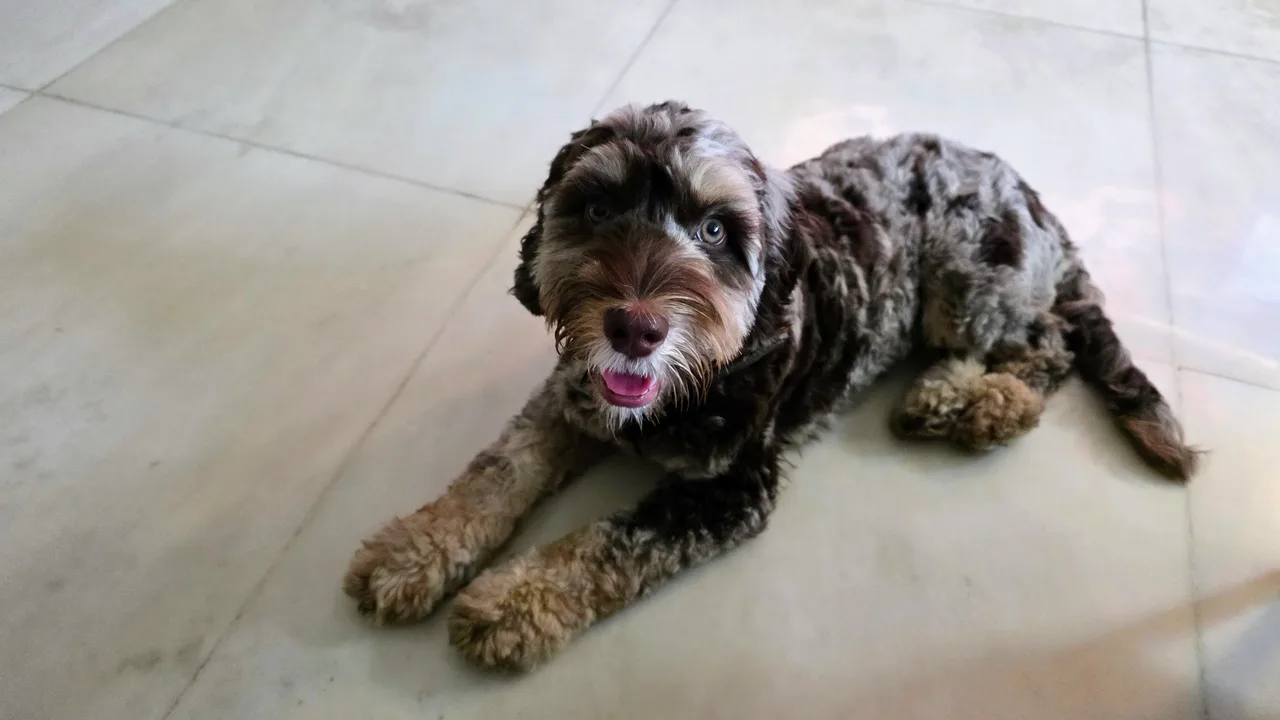
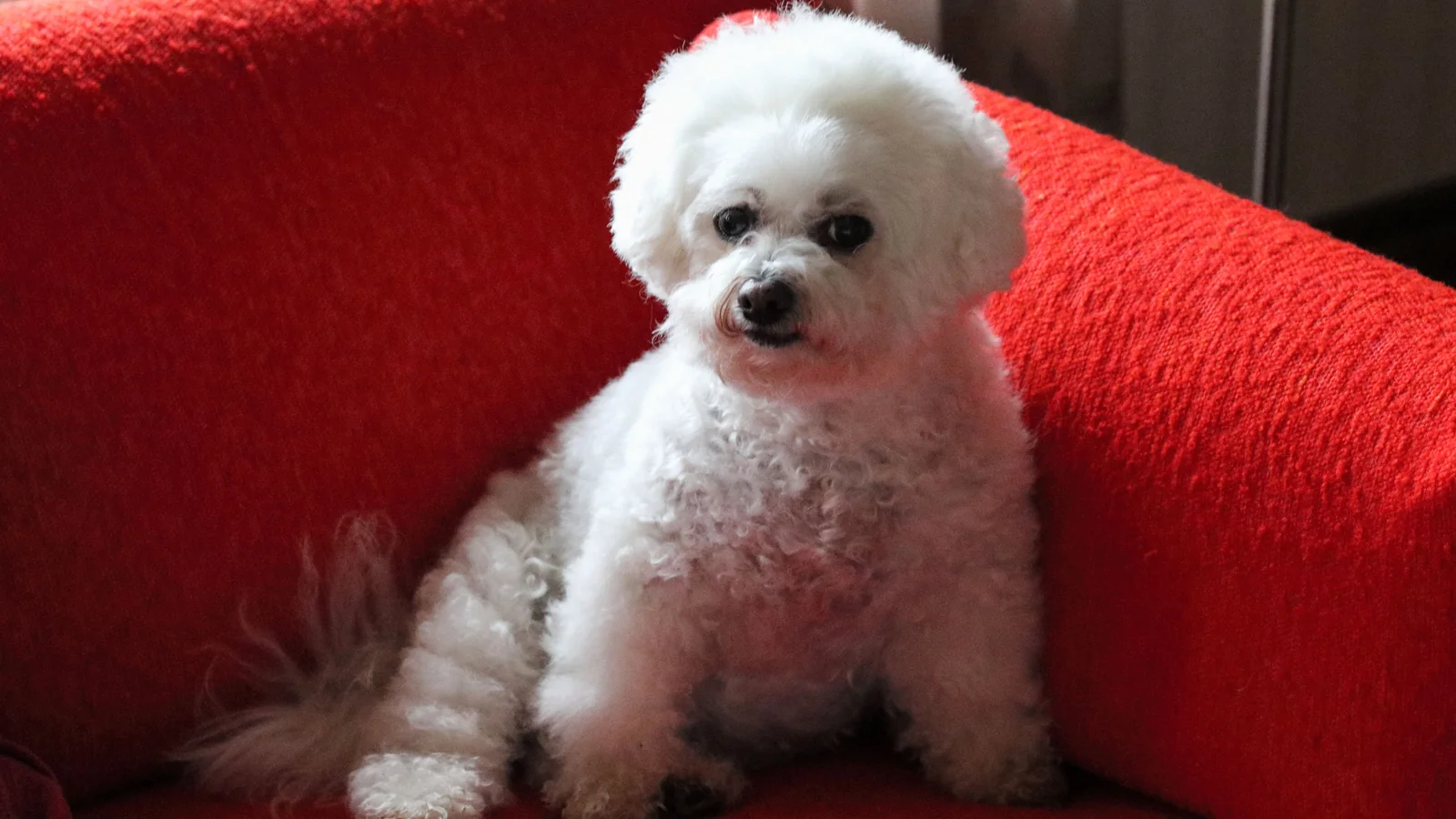
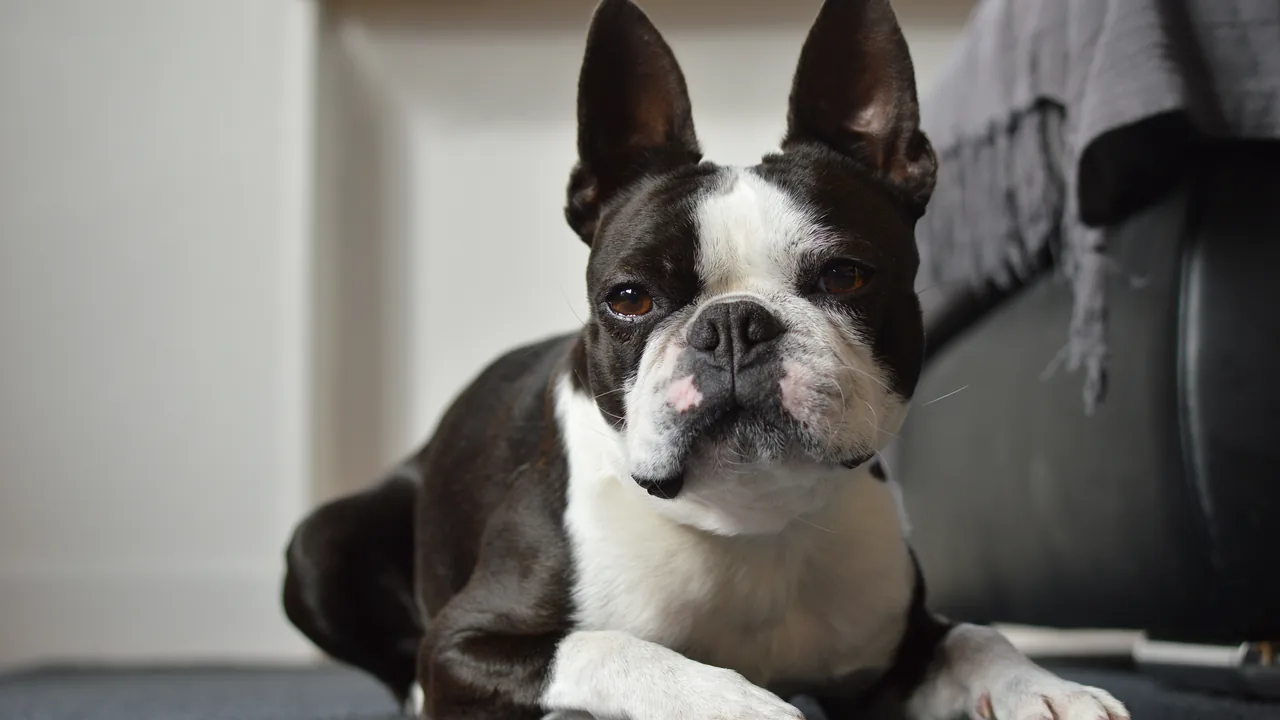
A Havanese in Singapore, the short version
The Havanese is HDB-approved and one of the most popular small breeds in Singapore thanks to its gentle, sociable personality and low-shedding coat. Despite tropical origins, Singapore's heat requires management. The long silky coat is best kept in a short "puppy cut" to improve comfort in the humid climate. Walk before 8am or after 7pm and keep sessions to 20 to 30 minutes. Grooming every 6 to 8 weeks prevents matting. The breed is playful, adaptable, and bonds closely with owners. Eye and dental health checks are important. Annual vet costs typically range SGD 700 to 1,100.
Find Havanese-friendly spots in Singapore
Good spots to visit with a Havanese in Singapore.
 Find Your Match Meet Havanese first “I've got a bounce in my step because I already know something you don't” Swipe through a dating-profile-style card before you commit. Say hello →
 Breed fit quiz Does a Havanese actually suit your life? Answer a few questions about your lifestyle and see how well this breed matches your real setup. Find out →