

DOG BREED GUIDE · CONDO & LANDED HOMES
Last updated First published 16 July 2026
Notice one little habit together →A small idea to try, with progress kept in your Pack.
Also known as Cockerpoo, Cockapoodle, Cock-a-Poo, Spoodle (Australian usage).
Thinking about adopting a Cockapoo?
The Cockapoo combines the Cocker Spaniel's affectionate nature with the Poodle's low-shedding coat, producing one of the most adaptable small dogs available to Singapore owners today.
Can a Cockapoo live in an HDB flat?
NoNot on the HDB approved-breed list
Not on HDB's approved small-breed list, so it cannot be kept in a flat under the standard rules.
HDB sets and maintains the approved-breed list. Check the current rules at HDB.gov.sg →
Full list of HDB-approved breeds on this site →At a glance
- Size category
- Small
- Weight
- 5 to 11 kg
- Height
- 25 to 38 cm
- Lifespan
- 12 to 15 years
- Energy level
- ●●●○○ 3/5 (editorial, unvalidated)
- Shedding
- ●○○○○ 1/5 (editorial, unvalidated)
- Heat tolerance
- ●●○○○ 2/5 (editorial, unvalidated)
- Barking
- ●●○○○ 2/5 (editorial, unvalidated)
- Trainability
- ●●●●○ 4/5 (editorial, unvalidated)
- Grooming needs
- ●●●●○ 4/5 (editorial, unvalidated)
- Origin
- United States (developed from the 1950s onward, popularised from the 1990s)
Editorial climate-care note
Heat tolerance rated 2 out of 5. The Cockapoo's dense, curly or wavy coat retains body heat in Singapore's 28 to 32 degree Celsius climate. Early-morning and post-sunset walks are strongly recommended. Keep coat trimmed short (a "puppy clip" or "teddy bear cut") for better ventilation. Provide constant access to cool water and air-conditioned rest areas during the day.
This score is not a safe temperature or exercise limit. Any dog can develop heatstroke.
Plan activity around your dog, not a timer
A breed score cannot tell you how many minutes are safe today. Avoid hot conditions, watch your dog's breathing, and agree an activity plan with your vet.
Read PDSA's heatstroke guidance →Common health issues in Singapore's climate
Build a care budget
- Year 1
- S$4,022 to S$5,442
- Over 10 years
- S$37,225 to S$50,363
Illustrative planning assumptions for food, grooming and routine vet care, with inflation and a year-one setup uplift. These are not verified provider quotes or a lifespan prediction. Adjust the calculator to current quotes; add insurance, boarding and emergencies separately.
Run the full lifetime cost calculator →The Cockapoo is the deliberate cross between a Cocker Spaniel (American or English) and a Miniature or Toy Poodle. Breeders first attempted this pairing in the United States during the 1950s, making it one of the oldest intentional hybrid breeds on record. The goal was straightforward: take the Cocker Spaniel's warm, people-centred personality and soften its moderate shedding with the Poodle's low-dander, curly coat. The result caught on, and by the 1990s the Cockapoo had become one of the most requested companion dogs in the English-speaking world.
It is a cross, not a standardised breed. No kennel club maintains a Cockapoo breed standard, no registry judges these dogs against one agreed set of traits, and outcomes vary between litters and between generations. A first-generation (F1) pup is a straight Cocker by Poodle cross; an F1b is bred back to a Poodle, sheds less and usually asks more of you at the grooming table. Everything below, including the numbers on this page, describes a typical range. Your dog may sit anywhere in it.
In Singapore the Cockapoo has become a common sight in HDB corridors, condo lifts and neighbourhood parks. Licensed breeders import puppies from Australia, the United Kingdom and the United States, and prices from an AVS-licensed importer typically run from S$5,000 to S$12,000.
Personality and temperament
Cockapoos are sociable by design. The Cocker Spaniel contributes an eagerness to please and a gentle, patient manner with children. The Poodle adds sharpness and trainability. Together they produce a dog that picks up basic commands quickly and is generally forgiving of first-time owner mistakes. Most Cockapoos settle comfortably into apartment routines as long as they get one or two proper daily walks and have company for most of the day.
Separation anxiety is the trait Cockapoo owners in Singapore flag most often, and it is worth taking seriously before you buy rather than after. The same strong bond that makes them excellent companions means they do not handle long stretches alone well. If your household is empty for eight or more hours a day, a Cockapoo can develop destructive habits or persistent barking, which in an HDB corridor becomes your neighbours' problem as well as yours.
A Cockapoo is a wonderful dog for a home with someone in it. It is a difficult dog for a home that is empty all day, and no amount of training fully changes that.
The Cocker side also brings a soft, sometimes sensitive streak. Harsh handling lands harder on this cross than on a robust terrier, and a Cockapoo that has been shouted at tends to shut down rather than argue. Reward-based work is not just the kinder option here, it is the one that works.
Exercise in Singapore's climate
This page rates the Cockapoo's heat tolerance at 2 out of 5. The Poodle heritage reduces shedding but does nothing to reduce the coat's insulating properties, and dense curls trap body heat efficiently. Singapore's daily maximum sits at 31 to 33 degrees Celsius through the year with average relative humidity around 82% (Meteorological Service Singapore), so this is a daily constraint rather than a seasonal one.
The practical shape of it:
- Walk before 8am and after 7pm. Midday and early afternoon are not negotiable down to "a short one".
- Grass or shaded pavement rather than open tarmac, which holds heat long after the sun has moved.
- Carry water for anything past fifteen minutes, and stop at the first sign of heavy panting that does not settle, drooling or a reluctant gait.
- Keep the coat in a short puppy clip or teddy bear cut, which genuinely helps ventilation on a curly coat in a way that shaving a double-coated breed does not.
Energy level on this page is 3 out of 5, which is the comfortable middle. Two decent walks and some indoor play covers an adult Cockapoo. What the breed needs more of than most is mental work, because a bored Cocker-Poodle cross with a strong bond to you and nothing to do is exactly the dog that starts barking at the corridor. Scent games, food puzzles and short training sessions in the air conditioning do more for a hot afternoon than a walk you should not be taking.
Coat and grooming in the humidity
The Cockapoo coat grows continuously rather than shedding out on a cycle, so loose hair that would fall out on a shedding breed instead tangles into the coat and mats. In Singapore's humidity that process is faster and less forgiving than in a drier climate, because a coat that stays damp near the skin gives bacteria more time and a better environment.
Professional grooming every four to six weeks is the baseline most owners settle on, at roughly S$100 to S$140 with a groomer experienced in doodle coats. Between appointments, five minutes of daily brushing with a slicker brush and a comb that reaches the skin, not just the surface, prevents matting at the ears, armpits and groin, which are the areas that knot first.
Ears need particular attention on this cross. The floppy Cocker ears sit close to the skull and restrict airflow, creating the warm, moist conditions that yeast and bacteria prefer. Dry the ear canals thoroughly after bathing and after any water play, check weekly for odour or discharge, and use a vet-approved cleanser fortnightly. Ear infections are on this page's health-issue list for the breed, and in this climate they are more often a management failure than bad luck.
Diet and feeding
Food for a small adult Cockapoo runs roughly S$80 to S$100 a month depending on brand. Portions should come from your vet or a guide matched to your dog's actual weight and activity rather than a breed average, which matters more than usual for a cross whose adult weight ranges from 5 kg to 11 kg on this page alone.
Humidity changes the storage rules even though it does not change the nutrition. Dry kibble left open in a Singapore kitchen absorbs moisture and can spoil or attract pests faster than it would elsewhere, so keep it sealed and out of direct heat and do not leave a bowl standing all day. Fresh water at all times, checked more often than a food label would suggest, because a dog panting in humidity loses more fluid than one in a temperate climate.
Weight is worth watching closely. A small dog carrying two extra kilograms is carrying a large proportion of its own body weight, and on a breed already flagged for patellar luxation, that lands directly on the knees.
Training
Trainability on this page is 4 out of 5, and both parent breeds contribute to that. Cockapoos learn quickly, work happily for food and praise, and are one of the more forgiving crosses for a first-time owner. Short, frequent, upbeat sessions suit them better than long formal ones.
Two things deserve deliberate work from the first week, because neither resolves itself:
- Time alone. Build it in small increments from puppyhood: a few minutes behind a door, then longer, on a predictable daily schedule. A crate or a settled bed the dog actively likes helps. Discovering the problem when you return to the office is discovering it too late.
- Quiet on cue. Teach an alert-then-settle pattern early rather than trying to suppress barking later. In an HDB flat this is the difference between a dog the neighbours tolerate and a complaint to the town council.
Socialisation matters for the sensitive side of this cross. Get the puppy comfortable with lifts, trolleys, delivery riders, other dogs and being handled before adolescence, and keep going through it rather than assuming the confident eight-week-old will stay that way.
Health
Because the Cockapoo is a cross, there is no body of health data measured on Cockapoos in the way there is for a standardised breed. What follows is what each parent breed is documented to carry a predisposition to, from recognised authorities. A cross can inherit a condition from either parent, from both, or from neither.
It is worth being direct about hybrid vigour. A 2024 Royal Veterinary College study compared three popular Poodle-cross designer breeds, the Cockapoo among them, against their purebred parent breeds across 57 health conditions in over 9,000 dogs, and found no consistent health advantage for the crossbreeds. The great majority of comparisons showed no meaningful difference, and the crossbreeds showed higher odds of a condition about as often as they showed lower odds. The Cockapoo is not automatically the healthy choice between a Cocker Spaniel and a Poodle.
On the Cocker side, the UK Kennel Club lists as good practice before breeding a DNA test for acral mutilation syndrome (AMS) and a DNA test for progressive retinal atrophy (prcd-PRA), with DNA tests for adult-onset neuropathy (AON) and familial nephropathy (FN), eye testing and gonioscopy for PLA under the BVA/KC/ISDS Eye Scheme, and hip testing under the BVA/KC Hip Dysplasia Scheme as best practice on top.
On the Poodle side, the same body's recommendations for the Toy Poodle include a DNA test for prcd-PRA as good practice, plus eye testing under the BVA/KC/ISDS Eye Scheme and hip testing under the BVA/KC Hip Dysplasia Scheme, and for the Miniature Poodle they add a DNA test for osteochondrodysplasia. Note that prcd-PRA appears on both sides, which means a puppy can inherit it from either parent and the test matters on both.
This page's own health-issue flags for the breed are patellar luxation, ear infections, eye conditions, dental health and allergies. Two of those deserve a line each:
- Patellar luxation, a kneecap that slips out of its groove, is common across small breeds and is the one most worth asking the breeder about directly.
- Dental disease is underrated in small Cockapoos. A crowded jaw accelerates plaque build-up, and daily brushing or dental chews plus professional scaling on your vet's schedule is one of the cheapest interventions available for healthy lifespan.
Ask the breeder for documented health testing on both parents, not just the Poodle side, and treat any of this as a conversation with your vet rather than a substitute for one.
Housing and space in Singapore
The Cockapoo does not qualify for an HDB flat, and the reason is worth understanding rather than working around. HDB permits a cross of any two breeds that both appear on its published list. The Poodle is on that list, in its Toy and Miniature sizes. The Cocker Spaniel is not. A cross needs both parents on the list, so this one falls outside it regardless of how small the individual dog is. Confirm the current position with HDB before you import or commit to a puppy, since HDB maintains and updates the list, and treat a breeder's assurance as worth nothing here.
Ownership limits sit separately and come from AVS rather than HDB. Under AVS's rules, an HDB flat may keep a maximum of one dog of an approved small breed plus up to two cats, and no dog on the Specified dogs list; private property may keep up to three cats or dogs in combination. Every dog in Singapore also needs an AVS licence. Licence fees depend on sterilisation status, age and the number of pets. One-time and three-year licences are different options. Check the current AVS fee table before paying.
Inside the flat, floor area matters less than an air-conditioned or well-ventilated place to rest through the hottest part of the day, and a routine that keeps the dog company. This is an apartment-suitable breed on every measure this page tracks except one, and the exception is how long it is left alone.
Care and cost in Singapore
Grooming at monthly intervals adds S$1,200 to S$1,500 a year, which is the single largest recurring line and the one buyers most often underestimate. Routine vet care including annual vaccination, heartworm prevention and tick and flea treatment costs roughly S$800 to S$1,200 a year. Food runs S$80 to S$100 a month. Budget another S$500 to S$1,000 annually for unexpected illness or injury. Total annual ownership cost typically falls between S$2,800 and S$4,500. You can run the ten-year picture for your own situation with the cost calculator.
Getting a Cockapoo: buying and adoption
Because this is a cross rather than a standardised breed, there is no breed club or single registry to lean on, which puts the weight on the individual breeder. Ask which generation the litter is (F1, F1b or further) and which size of Poodle sits behind it, because that determines the adult size and coat you will actually live with. Ask for documented health testing on both parents, specifically the prcd-PRA DNA result on each side, eye screening, and patella and hip assessments. Use an AVS-licensed importer only, ask to see the import permit and vaccination records, and visit the puppy in person before committing. Walk away from anyone who cannot show paperwork or who pressures a same-day decision.
Adoption is worth checking properly rather than treating as a fallback. Cockapoos appear on local rescue listings through SPCA Singapore and breed-specific groups, and because of their popularity they tend to move quickly, so it is worth watching rather than checking once. An adult rescue also comes with a visible adult size, coat and temperament instead of the genuine uncertainty of a cross-breed puppy.
Life stages: puppy to senior
Puppy, to about 12 months. The two jobs that matter most are socialisation and teaching time alone, and both are far harder to install later. Start the grooming habit now as well: handle paws, ears and face daily and take the puppy to the groomer before the coat needs serious work, so the table is a familiar place rather than an ambush.
Adolescent, roughly 9 to 18 months. The puppy coat changes to the adult coat somewhere in here, and matting gets dramatically worse for a few months. This is when many owners fall behind and end up with a shave-down. Increase brushing rather than grooming frequency, and expect some testing of the rules alongside it.
Adult, roughly 2 to 8 years. The settled years. Hold a stable weight, keep the grooming rhythm ahead of the coat rather than catching up with it, brush the teeth, and keep the ear checks weekly. Insurance is cheapest and most useful when arranged before anything has presented.
Senior, from about 9 years. Lifespan on this page is 12 to 15 years, which is long, and the last third of it usually asks for small adjustments rather than big ones. Move to twice-yearly vet visits, watch for stiffness getting on and off furniture (a patella or a joint talking), expect the coat to change texture again, and shorten walks to suit the dog rather than the calendar. Heat tolerance drops with age, so the summer routine gets stricter, not looser. Dental disease is the thing most likely to be quietly hurting an older small dog, so keep the mouth on the checklist.
See dog-friendly cafes and parks in your region → | Run the 10-year cost of a Cockapoo in Singapore →
Annual cost in Singapore
Editable planning estimates, not verified provider quotes or a prediction of your dog's bills. Boarding, one-off equipment and emergencies are additional.
- Food
- S$1,000
- Grooming
- S$1,440
- Routine vet
- S$1,200
- Sum of the three
- S$3,640/year
Run the lifetime cost calculator →
Get a current insurance quote for your dog's age and circumstances. Compare exclusions, waiting periods, excess and cover limits. Compare policy questions here →
Frequently asked questions
Is a Cockapoo HDB-approved in Singapore?
No. The Cockapoo is not on the HDB approved-breed list, so under current rules it cannot be kept in an HDB flat. It may still suit private housing. Always check the latest HDB and AVS guidance.
Do Cockapoos bark a lot?
Our current barking assessment is: is fairly quiet (editorial estimate). It has not been independently validated. Ask about this dog's observed behaviour, triggers and time alone; the breed label cannot predict your neighbour's experience.
How much grooming does a Cockapoo need?
Our current grooming assessment is: is high-maintenance to groom (editorial estimate). Confirm the individual coat-care routine and any professional grooming with the rescue, groomer or vet. The score is not a measured frequency or price.
How does a Cockapoo cope with Singapore's heat?
An editorial heat score cannot establish a safe temperature or walk duration for an individual dog. Activity, humidity, health, age and body shape matter. Avoid hot conditions, provide shade and water, and ask your vet about an appropriate activity plan.
Is a Cockapoo a good breed for a first-time owner?
Our household-fit note is: Editorial: may suit. This is not a validated prediction. Assess the individual dog, your daily capacity, training support and known care needs before deciding.
How much does a Cockapoo cost to keep in Singapore?
The stored planning assumption is S$3,640 a year for food, grooming and routine veterinary care. It is not a verified typical cost for this breed. Replace it with current quotes and your own usage; add setup, licensing, insurance if chosen, boarding and emergency savings separately.
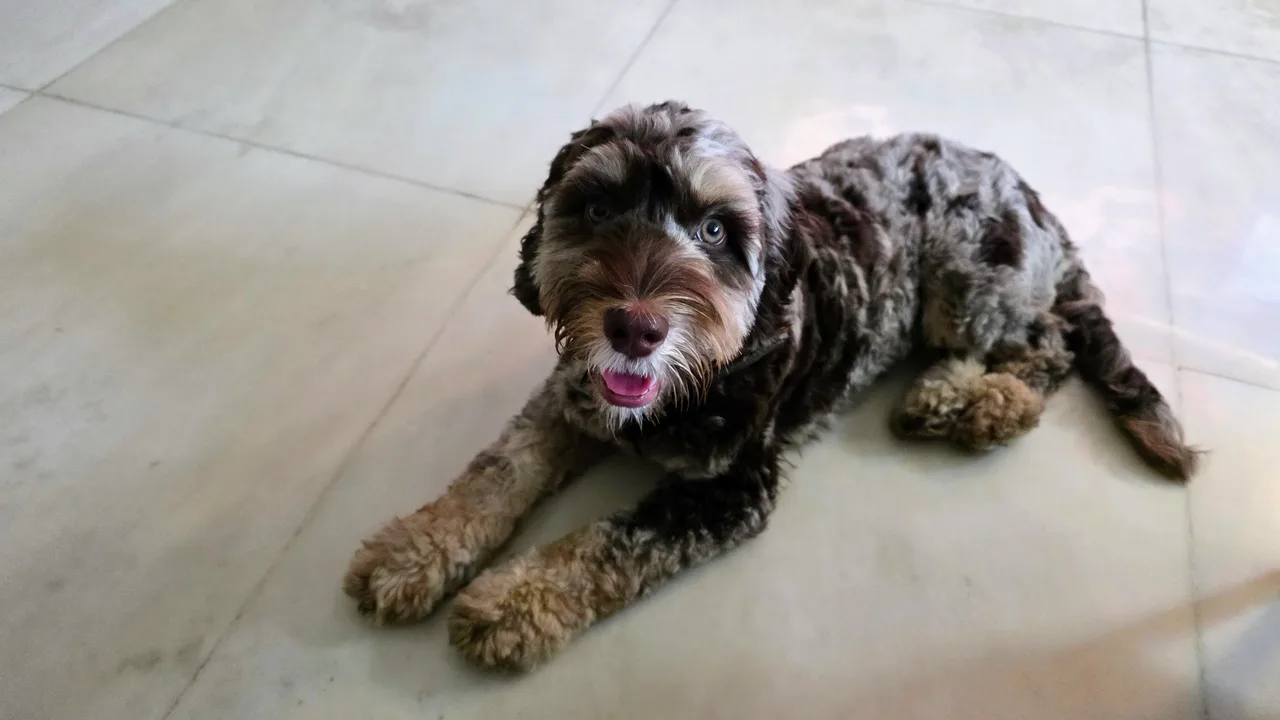
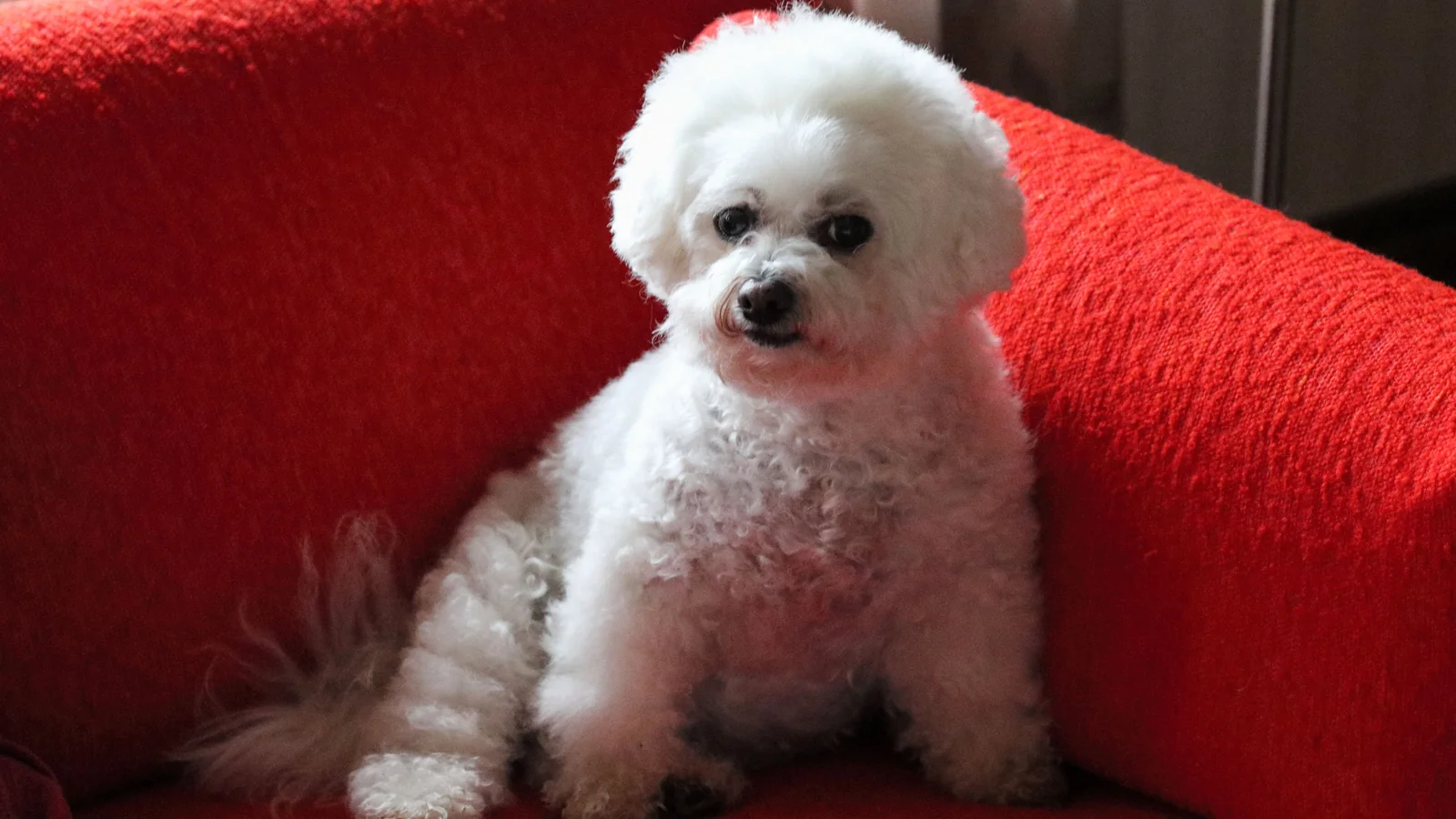
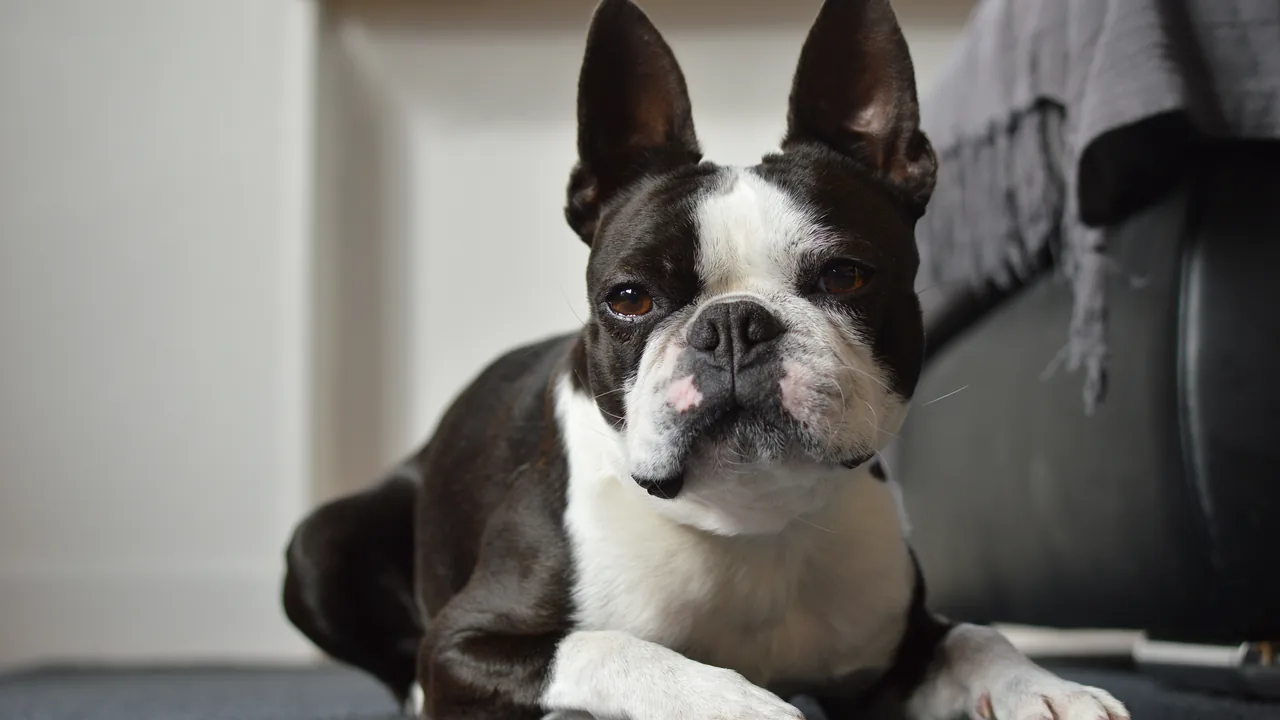
Other small breeds to consider
A Cockapoo in Singapore, the short version
The Cockapoo is popular with Singapore owners who want a low-shedding companion, and HDB currently lists it as an approved breed for flat living. Import prices from AVS-licensed breeders typically run SGD 5,000 to 12,000 depending on parentage and origin, with Australia and the UK the most common sources. Monthly professional grooming at SGD 100 to 140 keeps the dense, curly coat manageable in our humid climate. Heat tolerance sits at 2 out of 5, so stick to early morning and evening walks and provide constant cool water indoors. Local vets often monitor for patellar luxation, ear infections, and allergies. Rescue availability remains limited for this relatively new crossbreed here.
Find Cockapoo-friendly spots in Singapore
Good spots to visit with a Cockapoo in Singapore.
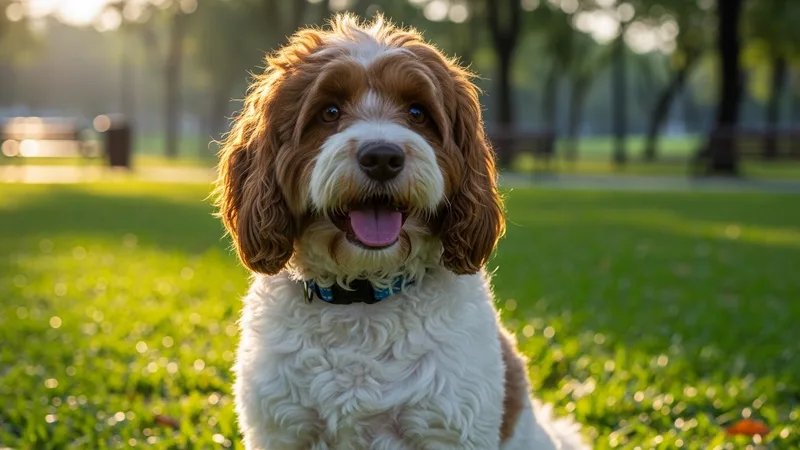 Find Your Match Meet Cockapoo first “I've got exactly one mood and it's delighted” Swipe through a dating-profile-style card before you commit. Say hello →
 Breed fit quiz Does a Cockapoo actually suit your life? Answer a few questions about your lifestyle and see how well this breed matches your real setup. Find out →