HDB-APPROVED · DOG BREED GUIDE
Last updated First published 31 May 2026
Notice one little habit together →A small idea to try, with progress kept in your Pack.
Also known as Yorkie, Yorkshire Toy Terrier.
Thinking about adopting a Yorkshire Terrier?
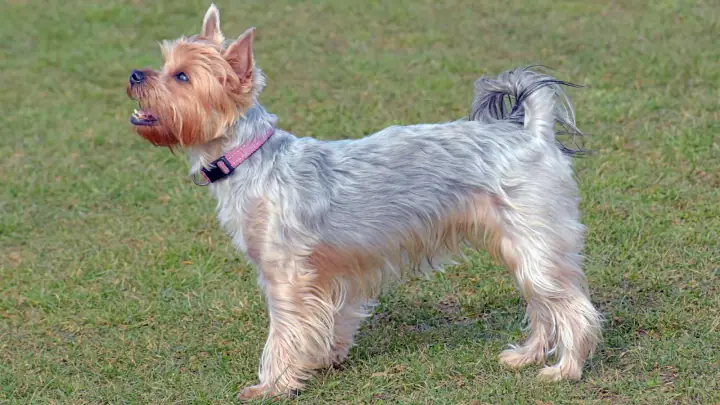
Don't be fooled by its diminutive stature and silky coat; the Yorkshire Terrier firmly believes it's the reincarnation of a Victorian mill foreman, just waiting for a rat to cross its path.
Can a Yorkshire Terrier live in an HDB flat?
YesOn the HDB approved-breed list
Named on HDB's approved small-breed list for flats. Check any listed variety restrictions and confirm the individual dog before committing.
HDB sets and maintains the approved-breed list. Check the current rules at HDB.gov.sg →
Full list of HDB-approved breeds on this site →At a glance
- Size category
- Small
- Weight
- 2 to 3.5 kg
- Height
- 18 to 23 cm
- Lifespan
- 13 to 16 years
- Energy level
- ●●●○○ 3/5 (editorial, unvalidated)
- Shedding
- ●○○○○ 1/5 (editorial, unvalidated)
- Heat tolerance
- ●●●○○ 3/5 (editorial, unvalidated)
- Barking
- ●●●●○ 4/5 (editorial, unvalidated)
- Trainability
- ●●●○○ 3/5 (editorial, unvalidated)
- Grooming needs
- ●●●●○ 4/5 (editorial, unvalidated)
- Origin
- England (Yorkshire)
Editorial climate-care note
Fine, human-hair-like coat is comfortable at a shorter length, giving it moderate tolerance for SG's climate.
This score is not a safe temperature or exercise limit. Any dog can develop heatstroke.
Plan activity around your dog, not a timer
A breed score cannot tell you how many minutes are safe today. Avoid hot conditions, watch your dog's breathing, and agree an activity plan with your vet.
Read PDSA's heatstroke guidance →Common health issues in Singapore's climate
Build a care budget
- Year 1
- S$3,536 to S$4,784
- Over 10 years
- S$32,725 to S$44,276
Illustrative planning assumptions for food, grooming and routine vet care, with inflation and a year-one setup uplift. These are not verified provider quotes or a lifespan prediction. Adjust the calculator to current quotes; add insurance, boarding and emergencies separately.
Run the full lifetime cost calculator →The Yorkshire Terrier started its working life in Victorian Yorkshire mills, killing rats for the textile foremen. It has since been bred down by roughly 70 percent and now lives mostly on cushions, but the working terrier brain came along for the ride. Your Yorkie will look like a small handbag accessory and behave like a small Rottweiler with strong opinions.
In Singapore it is one of the more popular HDB-suitable breeds and one of the most commonly mis-sized: lines marketed as "teacup" sit well below the breed standard and carry serious fragility risk. That is the first thing this guide will keep coming back to.
Personality and temperament
The terrier brain is the most underestimated thing about the breed. A Yorkie will guard its sofa cushion, its food bowl, its chosen human and the front door of the flat, against rivals and intruders both real and imagined. None of this is aggression by default. All of it is wiring, and it responds well to being given an outlet and a rule.
What that looks like day to day:
- Vocal. Barking is rated 4 out of 5. A ratting terrier alerted and chased, and both instincts are loud. In an HDB corridor this is the trait that decides whether your neighbours enjoy your dog.
- Bold out of proportion. A 3 kg dog that will square up to a 30 kg one is not being brave, it is being a terrier, and it is your job to prevent the situation rather than admire it.
- Attached, and confident with it. Yorkies bond closely without the anxious dependence of some toy breeds. They are generally fine being left for a normal working stretch once taught.
- Not a natural fit with very young children. This page records the breed as not recommended around small children, and the reason is fragility rather than temper. With older children who understand how to handle a small dog, they do well.
A Yorkie without training is not a quiet Yorkie. Recall, "quiet" and "leave it" should be in place by week sixteen, not week thirty.
Exercise in Singapore's climate
Heat tolerance on this page is 3 out of 5, which is the best of any small long-coated breed we cover and worth understanding properly. The Yorkie's coat is silk-textured hair with no double-layer undercoat, so it does not trap heat against the skin the way a Pomeranian's or a Corgi's does. Better than is not the same as comfortable, though: Singapore's daily maximum of 31 to 33 degrees Celsius and average relative humidity around 82% year-round (Meteorological Service Singapore) is still a lot for 3 kg of dog close to hot ground.
Walk early or late, stick to grass and shaded estate paths, and skip midday entirely. The park connector through Sengkang Riverside Park and the inner shade at West Coast Park are good choices. Hard pavement at noon is not: a small dog's body sits inches from a surface that has been absorbing sun all day.
Energy is rated 3 out of 5 and the volume is easily met. Two short walks a day generally cover the ledger, and 3 kg of dog can be properly exercised indoors on a wet weekend, which is a real advantage here. What the breed needs beyond that is something to hunt: a terrier bred to find and dispatch rats is happiest with a job that involves searching. Scatter-feeding, snuffle mats, "find the toy" games and short training bursts satisfy far more of a Yorkie than another lap of the block.
Coat and grooming in the humidity
Shedding is rated 1 out of 5, the lowest on our scale, which is much of the breed's appeal in a hot country where dog hair on dark clothing is a year-round fact for most owners. The trade is that hair which does not shed has to be cut and maintained instead.
Full grooms run every 5 to 7 weeks at S$80 to S$130. The maintenance in between depends entirely on which coat you choose to keep:
- Long show coat: daily brushing, no exceptions. It tangles readily and a neglected long coat mats to the skin.
- Short puppy cut: brushing twice a week. In Singapore's climate this is what most owners settle on within a year, and there is no welfare argument against it. The coat is hair, not an insulating double coat, so cutting it short does not disrupt any thermal function.
Two small jobs that matter more here than elsewhere. Tear staining around the eyes needs a daily wipe, both cosmetically and because permanently damp fur against skin is an irritation waiting to happen. And dry the coat properly after a bath or rain rather than letting a small dog air-dry in humid air.
Diet and feeding
Food on a small-breed kibble runs S$45 to S$75 a month, one of the cheapest food lines in this entire guide. That very smallness is the risk: on a 3 kg dog, a couple of extra treats is a large share of daily intake, and an overweight Yorkie is loading knees that are already the breed's main orthopaedic concern.
Weigh the food. Set portions with your vet against your dog's actual weight and condition rather than a breed average, and count treats in the total.
Two toy-breed specifics are worth knowing. Very small dogs, and puppies in particular, can drop into low blood sugar if they go too long between meals: small regular meals rather than one large one is the safer pattern, and a puppy that becomes wobbly, glassy or unusually sleepy needs a vet rather than a wait-and-see. Separately, a crowded toy-breed jaw makes what the dog chews genuinely relevant, so ask your vet which dental chews suit a mouth this size rather than buying by packaging.
Keep kibble sealed and out of direct heat, and keep water available and topped up more often than a label suggests in this climate.
Training
Trainability is rated 3 out of 5, which reflects willingness rather than ability. Yorkies are quick and quite capable of deciding your idea is worse than theirs. Short, upbeat, food-led sessions work; repetition drills do not.
Train the "quiet" cue from the first month, before the corridor learns the sound of your specific dog. The workable pattern is not silence but a sequence: alert once or twice, come to you, settle, get rewarded for the settle. Trying to suppress the bark itself fights the wiring and usually loses.
Two more that pay for themselves:
- Four on the floor. Teach the dog to wait to be lifted and to use steps rather than jumping down. Three kilos of bone does not survive a leap from a high sofa well, and this is a training solution to an orthopaedic problem.
- Handling tolerance. A lifetime of grooming, tear-wiping and tooth-brushing depends on a dog that accepts being handled. Practise from puppyhood on paws, ears, face and mouth.
House-training is often slower in toy breeds than owners expect, partly because a small bladder genuinely holds less. Frequent opportunities and a consistent spot beat correction.
Health
The UK Kennel Club is unusually direct about this breed: "At this time this breed does not have any recommended pre-breeding health screening in place, however breeders and puppy buyers should check frequently as this may change once new evidence and research becomes available." It places the Yorkshire Terrier in Breed Watch Category 1, meaning no points of concern specific to the breed have been identified for special attention by judges beyond what the breed standard already covers.
Read that carefully, because it cuts both ways. It is genuinely good news about conformation, and it means there is no screening certificate to demand. It does not mean the breed has no health profile, and it puts more weight on what you can observe and ask about directly.
This page's own health-issue flags are dental health, joint and mobility problems, and eye conditions. In practice the vet line for a Yorkie in Singapore is dominated by three things:
- Dental disease. Small jaws, crowded teeth, faster plaque accumulation. This is the most common serious problem in the breed and the most preventable. Daily brushing plus professional cleaning on your vet's schedule is the highest-return routine care available here.
- Patellar luxation. A kneecap that slips its groove, common across toy breeds. Keeping the dog lean and off the furniture leap is the practical protection, and surgical correction is not cheap.
- Tracheal collapse. A recognised concern in toy breeds and the reason for the harness recommendation below. A honking, goose-like cough in an older small dog is the classic sign and warrants a vet visit rather than a cough remedy.
Two more worth naming so you recognise them. Portosystemic shunt, a liver blood-vessel abnormality, is seen in the breed and typically shows in a puppy that fails to thrive, seems dull after meals, or grows poorly. And because there is no breed screening scheme to lean on, ask the breeder for the parents' and grandparents' adult weights and any history of knee, liver or dental problems in the line, in writing.
Lifespan on this page is 13 to 16 years, which is long, so these are conditions to manage across a long life rather than crises to survive. None of it replaces your vet's assessment of your own dog.
Housing and space in Singapore
A Yorkie handles HDB life with comfort to spare, and this page records the breed as HDB-approved. Confirm the current position with HDB before you commit, since HDB maintains and updates the approved list.
Ownership limits come from AVS rather than HDB. Under AVS's rules, an HDB flat may keep a maximum of one dog of an approved small breed plus up to two cats, and no dog on the Specified dogs list; private property may keep up to three cats or dogs in combination. Every dog needs an AVS licence. Licence fees depend on sterilisation status, age and the number of pets. One-time and three-year licences are different options. Check the current AVS fee table before paying.
Fragility is the constant, and it shapes the flat more than the floor plan does. Stair gates, ramps or steps at the sofa and the bed, supervised lap time, and an awareness of where a very small dog is before you step or close a door. These are not overkill; they are the standard HDB setup for the breed.
Care and cost in Singapore
Plan for S$4,000 to S$5,500 in year one and S$3,200 to S$4,000 a year ongoing. Puppies from licensed local breeders run S$2,800 to S$5,000 depending on lineage, coat colour, and how aggressively a "teacup" label has been attached, which is a reason to walk away rather than pay more.
Grooming is the visible line at S$80 to S$130 every 5 to 7 weeks. Food is the cheapest here. The vet line is dominated by teeth and knees, and pet insurance is worth pricing at the puppy stage: the lifetime cost of one tracheal-collapse case or one patella surgery sits well above fourteen years of premiums for most owners. Run the full ten-year picture with the cost calculator.
Getting a Yorkshire Terrier: buying and adoption
Because there is no kennel-club screening scheme for this breed, the questions replace the certificates. Insist on the breeder's AVS dog farm licence number, patella assessment on both parents, eye clearance from a board-certified ophthalmologist, and a written 24-month health guarantee. Ask for the adult weight of every parent and grandparent in the line, in writing.
Lines marketed as "teacup", "imperial" or "micro" tend to come with brittle bone density, dental crowding, liver shunts and persistent hypoglycaemia. The welfare risk is real enough that experienced groomers and veterinary teams can usually identify them on sight. The breed standard sits at 2 to 3.2 kg; anything sold below about 1.8 kg is bred for the marketing photograph, not the dog's lifespan.
Adoption is realistic. Adult Yorkies appear in shelters because their first owners discovered the noise or the dental costs were more than expected. SOSD, Causes for Animals and Mercylight rehome Yorkies and Yorkie mixes through the year, and smaller crosses can route through Project ADORE. An adult also arrives with its adult weight, its teeth and its knees already visible, which on a breed with no screening scheme is worth a great deal.
What to skip: any "imperial" or "teacup" listing, any Yorkie imported from Malaysia or Indonesia at below local pricing, and any breeder who declines to put the parent weight history in writing.
Life stages: puppy to senior
Puppy, to about 12 months. Four jobs: the "quiet" cue from week ten, handling tolerance for a lifetime of grooming and teeth, joint protection through ramps and a no-jumping rule, and small regular meals to keep blood sugar steady. Socialise deliberately, and start brushing the teeth now while the dog is easy to persuade.
Adolescent, roughly 9 to 18 months. The silky adult coat comes in and needs more work than the puppy coat did; this is when most owners decide between the long coat and the puppy cut, and either is fine. The terrier confidence also arrives, so reinforce recall and the rules about squaring up to larger dogs.
Adult, roughly 2 to 9 years. Stable years. Hold the weight, brush the teeth, keep the harness on rather than a collar, keep the ramps in use. Insurance in force. An annual dental check is not an upsell in this breed, it is the main event.
Senior, from about 10 years. Lifespan is 13 to 16 years, so plan for a long old age. Move to twice-yearly vet visits. Listen for a honking cough, which points at the trachea rather than a chest infection. Watch for a change in gait or reluctance to jump, usually a knee. Watch for bad breath or chewing on one side, usually the mouth, and take it seriously: dental pain is the most common untreated discomfort in old small dogs. Eyesight and hearing often fade, and a dog that startles more easily is usually one that heard you later, not one that has turned grumpy. Keep the coat short and comfortable rather than handsome, and keep the flat cool.
See dog-friendly cafes and parks in your region → | Run the 10-year cost of a Yorkshire Terrier in Singapore →
Three things to know
-
There is no such thing as a teacup Yorkshire Terrier
The breed standard sits at 2 to 3.2 kg. Anything sold below 1.8 kg is bred for the marketing photo, not the dog's lifespan. Walk away.
-
The bark predates the cuteness
A Yorkie was bred to alert and to chase, and both instincts are loud. Train the "quiet" cue from the first month, before the corridor learns the sound of your specific dog.
-
Pick the harness over the collar
Yorkshire Terriers are prone to tracheal collapse later in life, and constant collar pressure does not help. A soft-padded Y-front harness, fitted at the breeder visit, costs around S$40 and saves a lot.
Annual cost in Singapore
Editable planning estimates, not verified provider quotes or a prediction of your dog's bills. Boarding, one-off equipment and emergencies are additional.
- Food
- S$800
- Grooming
- S$1,300
- Routine vet
- S$1,100
- Sum of the three
- S$3,200/year
Run the lifetime cost calculator →
Get a current insurance quote for your dog's age and circumstances. Compare exclusions, waiting periods, excess and cover limits. Compare policy questions here →
Frequently asked questions
Is a Yorkshire Terrier HDB-approved in Singapore?
Yes. The Yorkshire Terrier is on the HDB list of breeds approved for flats. Confirm the current HDB and AVS rules before you commit, as the approved list can change.
Do Yorkshire Terriers bark a lot?
Our current barking assessment is: is fairly vocal (editorial estimate). It has not been independently validated. Ask about this dog's observed behaviour, triggers and time alone; the breed label cannot predict your neighbour's experience.
How much grooming does a Yorkshire Terrier need?
Our current grooming assessment is: is high-maintenance to groom (editorial estimate). Confirm the individual coat-care routine and any professional grooming with the rescue, groomer or vet. The score is not a measured frequency or price.
How does a Yorkshire Terrier cope with Singapore's heat?
An editorial heat score cannot establish a safe temperature or walk duration for an individual dog. Activity, humidity, health, age and body shape matter. Avoid hot conditions, provide shade and water, and ask your vet about an appropriate activity plan.
Is a Yorkshire Terrier a good breed for a first-time owner?
Our household-fit note is: Editorial: may suit. This is not a validated prediction. Assess the individual dog, your daily capacity, training support and known care needs before deciding.
How much does a Yorkshire Terrier cost to keep in Singapore?
The stored planning assumption is S$3,200 a year for food, grooming and routine veterinary care. It is not a verified typical cost for this breed. Replace it with current quotes and your own usage; add setup, licensing, insurance if chosen, boarding and emergency savings separately.
Other small breeds to consider
A Yorkshire Terrier in Singapore, the short version
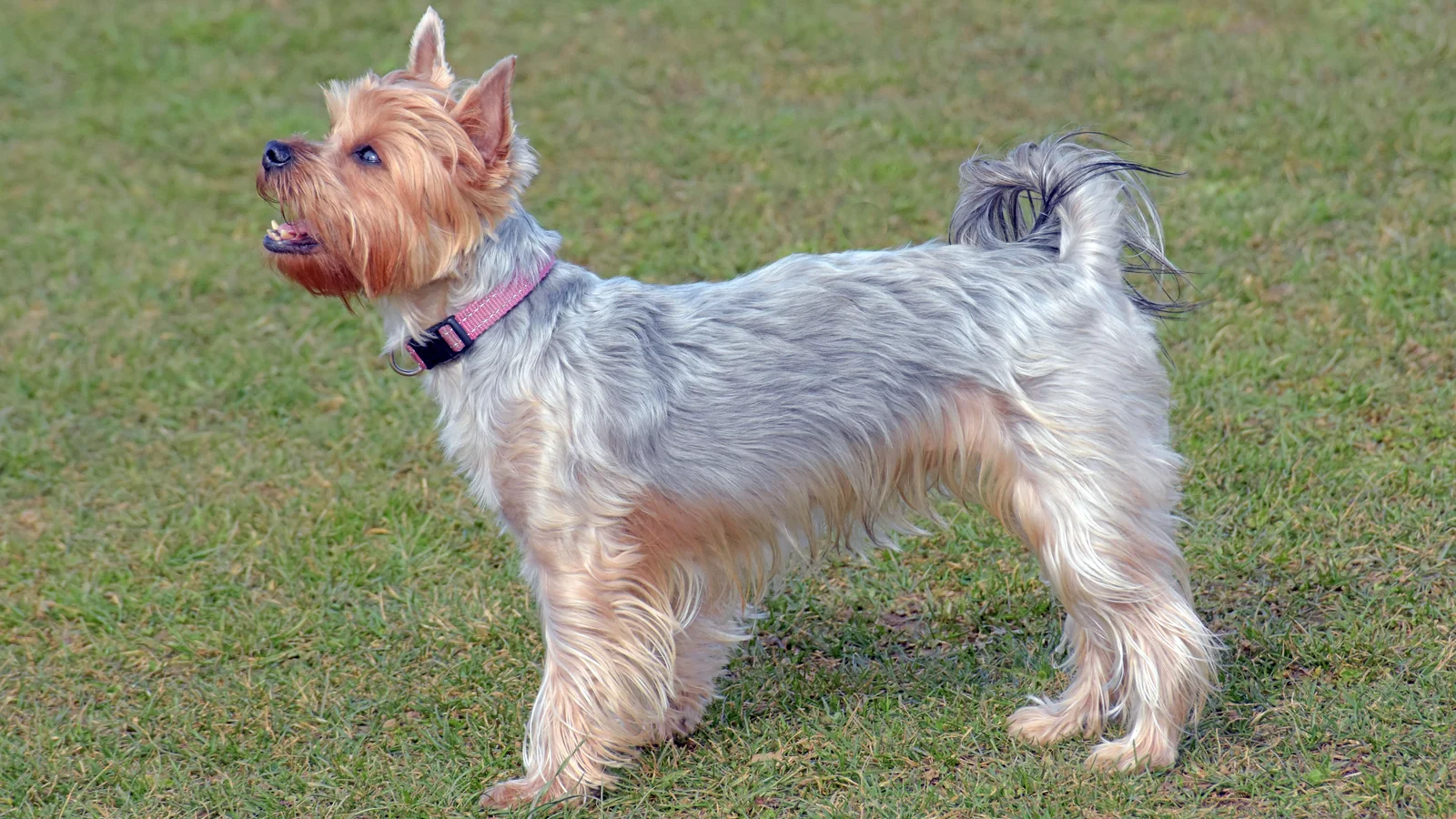
A Yorkshire Terrier is HDB-approved and a comfortable fit for flat life, tiny, energetic in short bursts, and content in a small space. Its fine, silky coat is often kept at a shorter, more practical length in Singapore, which helps it manage the humidity better than a full show coat would. Walks are short and easy to fit around the cooler parts of the day. HDB flats and condos both suit it well given the size. Dental health is the standout concern for this breed, small jaws crowd easily, and a consistent dental care routine from early on will save both money and discomfort later.
Yorkshire Terrier vs...
Deciding between two breeds? See them side by side.
Find Yorkshire Terrier-friendly spots in Singapore
Good spots to visit with a Yorkshire Terrier in Singapore.
 Find Your Match Meet Yorkshire Terrier first “I'm dressed like old money and I fight like I grew up on the docks” Swipe through a dating-profile-style card before you commit. Say hello →
 Breed fit quiz Does a Yorkshire Terrier actually suit your life? Answer a few questions about your lifestyle and see how well this breed matches your real setup. Find out →