
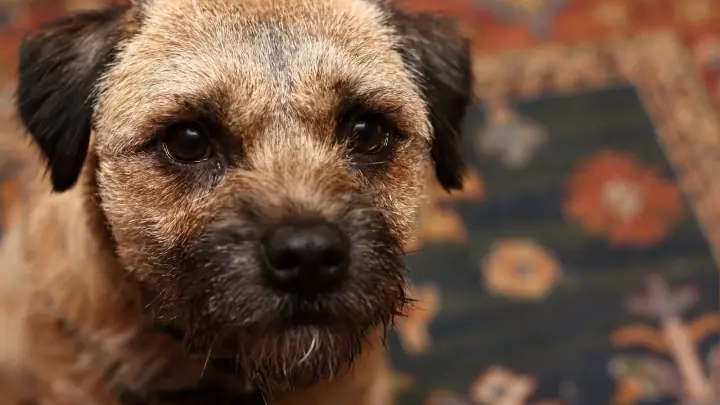
HDB-APPROVED · DOG BREED GUIDE
Last updated First published 1 June 2026
Notice one little habit together →A small idea to try, with progress kept in your Pack.
Also known as Borders.
Thinking about adopting a Border Terrier?
The Border Terrier's wiry coat is perfect for squeezing through tight spots and even tighter HDB regulations, but it's the dog's polite knack for diplomacy that will charm your neighbours.
Can a Border Terrier live in an HDB flat?
YesOn the HDB approved-breed list
Named on HDB's approved small-breed list for flats. Check any listed variety restrictions and confirm the individual dog before committing.
HDB sets and maintains the approved-breed list. Check the current rules at HDB.gov.sg →
Full list of HDB-approved breeds on this site →At a glance
- Size category
- Small
- Weight
- 5 to 7 kg
- Height
- 25 to 30 cm
- Lifespan
- 12 to 15 years
- Energy level
- ●●●●○ 4/5 (editorial, unvalidated)
- Shedding
- ●●○○○ 2/5 (editorial, unvalidated)
- Heat tolerance
- ●●○○○ 2/5 (editorial, unvalidated)
- Barking
- ●●○○○ 2/5 (editorial, unvalidated)
- Trainability
- ●●●●○ 4/5 (editorial, unvalidated)
- Grooming needs
- ●●●○○ 3/5 (editorial, unvalidated)
- Origin
- United Kingdom
Editorial climate-care note
Heat tolerance rated 2 out of 5. The Border Terrier's dense, wiry double coat retains heat poorly in Singapore's 28 to 32 degrees Celsius climate and high humidity. Limit walks to before 8am or after 7pm, keep sessions brief, and ensure air-conditioned rest at home to prevent overheating.
This score is not a safe temperature or exercise limit. Any dog can develop heatstroke.
Plan activity around your dog, not a timer
A breed score cannot tell you how many minutes are safe today. Avoid hot conditions, watch your dog's breathing, and agree an activity plan with your vet.
Read PDSA's heatstroke guidance →Common health issues in Singapore's climate
Build a care budget
- Year 1
- S$3,757 to S$5,083
- Over 10 years
- S$34,771 to S$47,043
Illustrative planning assumptions for food, grooming and routine vet care, with inflation and a year-one setup uplift. These are not verified provider quotes or a lifespan prediction. Adjust the calculator to current quotes; add insurance, boarding and emergencies separately.
Run the full lifetime cost calculator →The Border Terrier is the terrier for people who have been put off terriers. Barking is rated 2 out of 5 here, which for a working terrier is remarkable, and it is the single reason this breed suits an HDB corridor when several of its cousins do not.
What you get in exchange is a genuinely tough little working dog with 4 out of 5 energy and a wiry double coat in a tropical climate. This guide is honest about that trade, and about the one DNA test this breed has that nobody thinks to ask for.
Personality and temperament
Border Terriers were bred to run with hounds and then go to ground after a fox, which required a dog that was game enough for the job and level-headed enough to work alongside other dogs and horses all day. That second half is what makes the modern breed such good company.
Trainability is rated 4 out of 5, beginner friendliness is high, and it is rated good with children and good with other dogs. This is an even-tempered, adaptable, hard-wearing dog with none of the brittleness some toy breeds carry.
Barking at 2 out of 5 deserves saying twice, because it is the breed's quiet superpower in dense housing. A Border Terrier is alert without being reactive, and it does not generally treat the lift as an event.
The terrier is still in there. Energy is rated 4 out of 5, the prey drive is real, and a Border Terrier that is under-occupied will dig, chew and self-employ. This is a dog that needs a job, not a cushion.
Exercise in Singapore's climate
Heat tolerance is rated 2 out of 5, and the coat explains it. The Border Terrier carries a harsh wiry outer coat over a dense insulating undercoat, developed for wet, cold hillsides in the Anglo-Scottish borders. That is close to the least useful specification for Singapore's daily maximum of 31 to 33 degrees Celsius with average relative humidity around 82% year round (Meteorological Service Singapore).
Combine 2 out of 5 heat tolerance with 4 out of 5 energy and you have a dog that wants more than the climate will safely give it. That gap is the central management problem of owning this breed here, and the solution is to move the exercise indoors and into the brain rather than to push the dog outdoors and hope.
Two walks a day of thirty minutes or so, strictly before 8am and after 8pm, on grass and shade. Carry water. Then do the real work inside: scent games, a flirt pole, a snuffle mat, food puzzles, and short training sessions scattered through the day. A terrier bred to hunt underground finds searching genuinely satisfying in a way that walking in circles is not.
Watch for a dog that is slowing, panting hard without settling, or lying down mid-walk. Turn back early and often, and never take the view that a game dog is a coping one.
Coat and grooming in the humidity
Grooming needs are rated 3 out of 5 and shedding 2 out of 5, at about S$1,200 a year. The wiry coat is low-shedding and reasonably practical, with one important decision attached.
A harsh terrier coat is traditionally hand-stripped, which is the removal of dead outer hairs by hand so that the new harsh coat grows through. Clipping is quicker and cheaper and it cuts the harsh hairs rather than removing them, which over time softens the coat's texture. A softened coat lies flatter against the skin, traps more moisture and insulates more, which in this climate is exactly the wrong direction.
So discuss it with your groomer rather than defaulting. Hand-stripping two or three times a year, with tidying in between, keeps the coat doing its job. If you do clip, keep it short and accept the texture change.
Brush two or three times a week to get dead undercoat out, which is what actually helps the dog cool. Itchy skin, allergies and ear infections all appear on this page's health-issue list, so dry the dog properly after any bath or rain, and check the ears weekly.
Diet and feeding
Food runs about S$1,300 a year, which is high for a 5 to 7 kg dog and reflects the energy rating.
Gut health appears on this page's health-issue list, which is unusual and worth respecting. Keep this dog on a consistent diet rather than switching for novelty, introduce any change gradually over a week or more, and be strict about what it picks up outdoors, because a terrier with its nose down will eat things on principle.
Allergies and itchy skin are also listed. Resist the temptation to rotate foods hopefully at the first sign of scratching. Most itch in a wiry-coated dog in this climate is environmental or moisture-related rather than dietary, and repeated food changes make it harder for your vet to work out what is happening. If diet is genuinely suspected, ask about a properly run elimination trial.
Keep the dog lean. Patellar luxation is on this page's list and extra weight goes through the knees.
Training
A willing terrier is a pleasure to train and will still take liberties. Priorities:
- Recall, worked hard and assessed honestly. This is a dog bred to pursue quarry into holes. Build recall properly, reward it generously for life, and keep the lead on in unfenced spaces regardless of how good it gets.
- Structured mental work, daily. Not an enrichment nicety. It is the substitute for the outdoor exercise the climate will not allow, and it is what stops the digging and chewing.
- Grooming and handling tolerance. Hand-stripping requires a dog that will stand and be handled at length. Start in week ten.
- Leave it. Given the gut-health entry and the terrier appetite for scavenging, this is a practical safety behaviour rather than a trick.
Health
The UK Kennel Club recommends one screening measure for the Border Terrier: a DNA test for spongiform leucoencephalomyelopathy (SLEM). It places the breed in Breed Watch Category 1, and states that "currently no points of concern specific to this breed have been identified for special attention by judges, other than those covered routinely by The Kennel Club's breed standard".
One recommended test and a clean Breed Watch category is about as good as a breed page on this site gets, and it makes the single test easy to insist on.
SLEM is an inherited neurological disease specific enough to this breed that a DNA test exists for it by name. Affected puppies show tremors and difficulty standing in early life. Because the genetics are understood, a breeder who tests simply does not produce affected puppies, which means there is no reason at all for a Border Terrier litter in 2026 to be born with it. Ask for both parents' SLEM results, by name, and treat their absence as the end of the conversation.
This page's own health-issue list is longer than the Kennel Club's and covers different ground: epilepsy, patellar luxation, heart conditions, Cushing's syndrome, eye conditions, itchy skin, allergies, dental health, ear infections and gut health. Most of those are things to monitor rather than test for.
Two are worth raising with a breeder directly, because no certificate covers them. Ask whether any dog in the line has had seizures, since epilepsy heads this page's list and there is no test to point at. And ask for a written veterinary patella assessment on both parents, since patellar luxation sits second and is partly heritable.
Routine veterinary care runs about S$900 a year here, one of the lower figures on this site, which fits a fundamentally robust breed. Arrange insurance in the first weeks anyway, before any skin or ear note is on record to be excluded. None of this replaces your own vet's assessment of your own dog.
Housing and space in Singapore
The Border Terrier is named on HDB's published list of approved breeds for flats, which runs to 61 named breeds plus a cross of any two of them. Confirm the current position there before you commit, since HDB maintains and updates the list.
Ownership limits come from AVS rather than HDB. Under AVS's rules, an HDB flat may keep a maximum of one dog of an approved small breed plus up to two cats, and no dog on the Specified dogs list; private property may keep up to three cats or dogs in combination. Every dog needs an AVS licence. Licence fees depend on sterilisation status, age and the number of pets. One-time and three-year licences are different options. Check the current AVS fee table before paying.
The flat suits this breed on size and works against it on temperature, so the indoor arrangement matters. Give the dog a cool tiled place to lie away from afternoon sun, and think about what the unit does between 11am and 4pm with nobody home, because a double-coated dog in a closed-up flat has nowhere to shed heat.
Then terrier-proof. This is a breed that digs and chews when bored, so secure anything you mind about, and give it legitimate outlets rather than expecting restraint.
Care and cost in Singapore
On this page's figures: about S$1,300 a year for food, S$1,200 for grooming and S$900 for routine veterinary care. That is a fairly even spread and a modest total, and the low veterinary line is a genuine reflection of a hardy breed rather than an underestimate. The grooming line assumes proper coat work several times a year, which is where the money should go. Run the ten-year picture with the cost calculator.
Getting a Border Terrier: buying and adoption
Ask for the AVS dog farm licence number and the SLEM DNA results for both parents. That is the one document this breed has a named test for, and a breeder who cannot produce it has told you how seriously they take the breed. Add a written patella assessment for both parents and a direct question about seizures in the line.
Ask what the breeder does about the coat, because someone who breeds working terriers seriously will have a view on stripping and will tell you what your dog will need.
Adoption is worth checking. Border Terriers and terrier crosses come through SOSD, Causes for Animals and Mercylight, and the classic surrender reason for this type is under-occupation: a family that wanted a small dog and got a working one. That dog is usually completely sound and simply needs a household willing to give it a job. An adult also arrives with its coat type and temperament visible.
What to skip: any seller who calls this a low-energy small dog, and any litter without SLEM results.
Life stages: puppy to senior
Puppy, to about 12 months. Confirm the SLEM status of the parents before you commit and keep the paperwork. Start grooming handling in week ten, long before the adult wiry coat arrives. Set the cool-hours walking habit now. Keep the puppy lean while the knees form, and get insurance in force early.
Adolescent, roughly 9 to 18 months. The adult coat comes through and the stripping question becomes real. Terrier independence peaks, recall gets tested, and the digging and chewing appear if the mental work has lapsed. Increase the job, not the walk length, because the climate has not changed.
Adult, roughly 2 to 9 years. A genuinely easy dog in this phase, provided it has work. Coat on schedule, ears weekly, weight held, walks in the cool hours. Watch the gut: this breed's digestion is on the list, so a pattern of upsets is worth investigating rather than tolerating.
Senior, from about 10 years. Lifespan here is 12 to 15 years. Move to twice-yearly vet visits. Cushing's syndrome is on this page's health list and tends to appear in middle age and later, so mention increased drinking, increased appetite, a pot-bellied appearance or thinning coat rather than filing them under ageing. Older dogs tolerate the heat less, so shorten the walks again and keep the indoor games going, because the terrier brain retires long after the terrier legs do.
See dog-friendly cafes and parks in your region → | Run the 10-year cost of a Border Terrier in Singapore →
Three things to know
-
Ask for the SLEM DNA test by name
It is the only pre-breeding screening the Kennel Club recommends for this breed, it targets an inherited neurological disease, and because the genetics are understood there is no reason for an affected puppy to be born in 2026. No result means no conversation.
-
2 out of 5 heat tolerance against 4 out of 5 energy is the real problem
A wiry double coat bred for cold wet hillsides cannot dump heat here, so the exercise has to move indoors and into the nose. Scent games and puzzles are the substitute, not an extra.
-
The quiet is the reason to choose it
Barking rated 2 out of 5 is exceptional for a working terrier and it is what makes this breed workable beside a shared corridor when several of its cousins are not.
Annual cost in Singapore
Editable planning estimates, not verified provider quotes or a prediction of your dog's bills. Boarding, one-off equipment and emergencies are additional.
- Food
- S$1,300
- Grooming
- S$1,200
- Routine vet
- S$900
- Sum of the three
- S$3,400/year
Run the lifetime cost calculator →
Get a current insurance quote for your dog's age and circumstances. Compare exclusions, waiting periods, excess and cover limits. Compare policy questions here →
Frequently asked questions
Is a Border Terrier HDB-approved in Singapore?
Yes. The Border Terrier is on the HDB list of breeds approved for flats. Confirm the current HDB and AVS rules before you commit, as the approved list can change.
Do Border Terriers bark a lot?
Our current barking assessment is: is fairly quiet (editorial estimate). It has not been independently validated. Ask about this dog's observed behaviour, triggers and time alone; the breed label cannot predict your neighbour's experience.
How much grooming does a Border Terrier need?
Our current grooming assessment is: needs moderate grooming (editorial estimate). Confirm the individual coat-care routine and any professional grooming with the rescue, groomer or vet. The score is not a measured frequency or price.
How does a Border Terrier cope with Singapore's heat?
An editorial heat score cannot establish a safe temperature or walk duration for an individual dog. Activity, humidity, health, age and body shape matter. Avoid hot conditions, provide shade and water, and ask your vet about an appropriate activity plan.
Is a Border Terrier a good breed for a first-time owner?
Our household-fit note is: Editorial: may suit. This is not a validated prediction. Assess the individual dog, your daily capacity, training support and known care needs before deciding.
How much does a Border Terrier cost to keep in Singapore?
The stored planning assumption is S$3,400 a year for food, grooming and routine veterinary care. It is not a verified typical cost for this breed. Replace it with current quotes and your own usage; add setup, licensing, insurance if chosen, boarding and emergency savings separately.
Other small breeds to consider
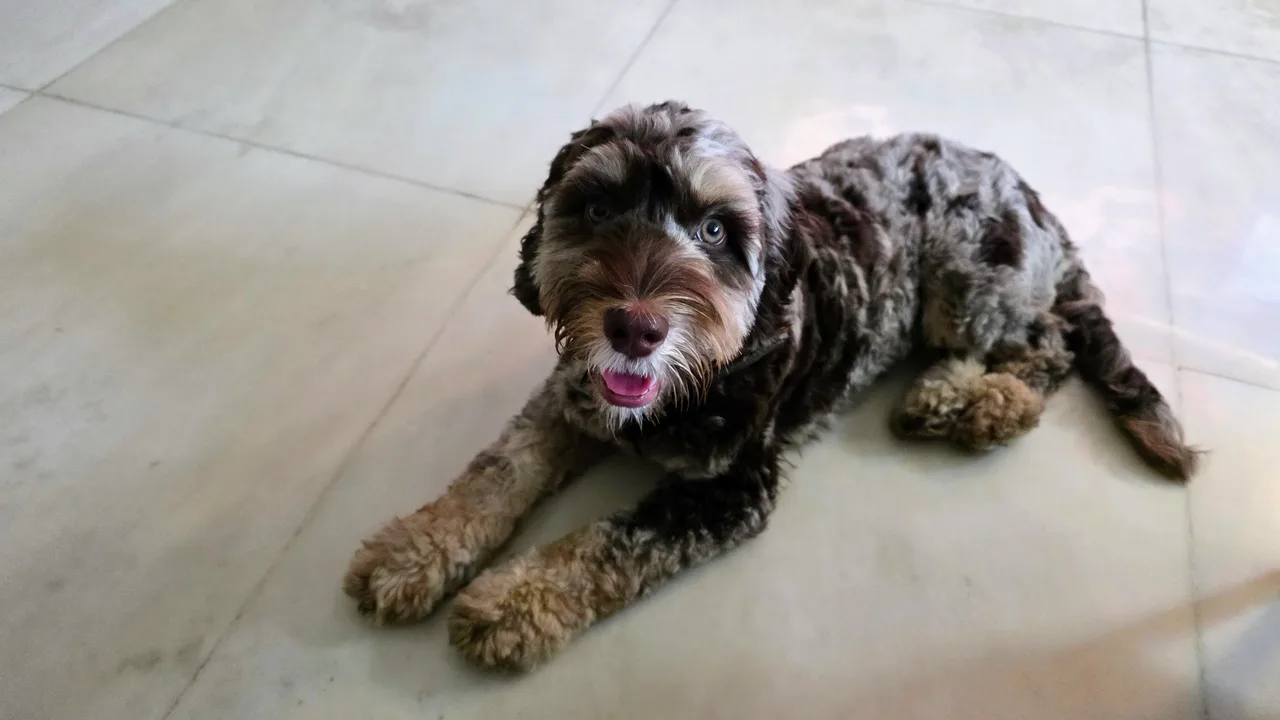
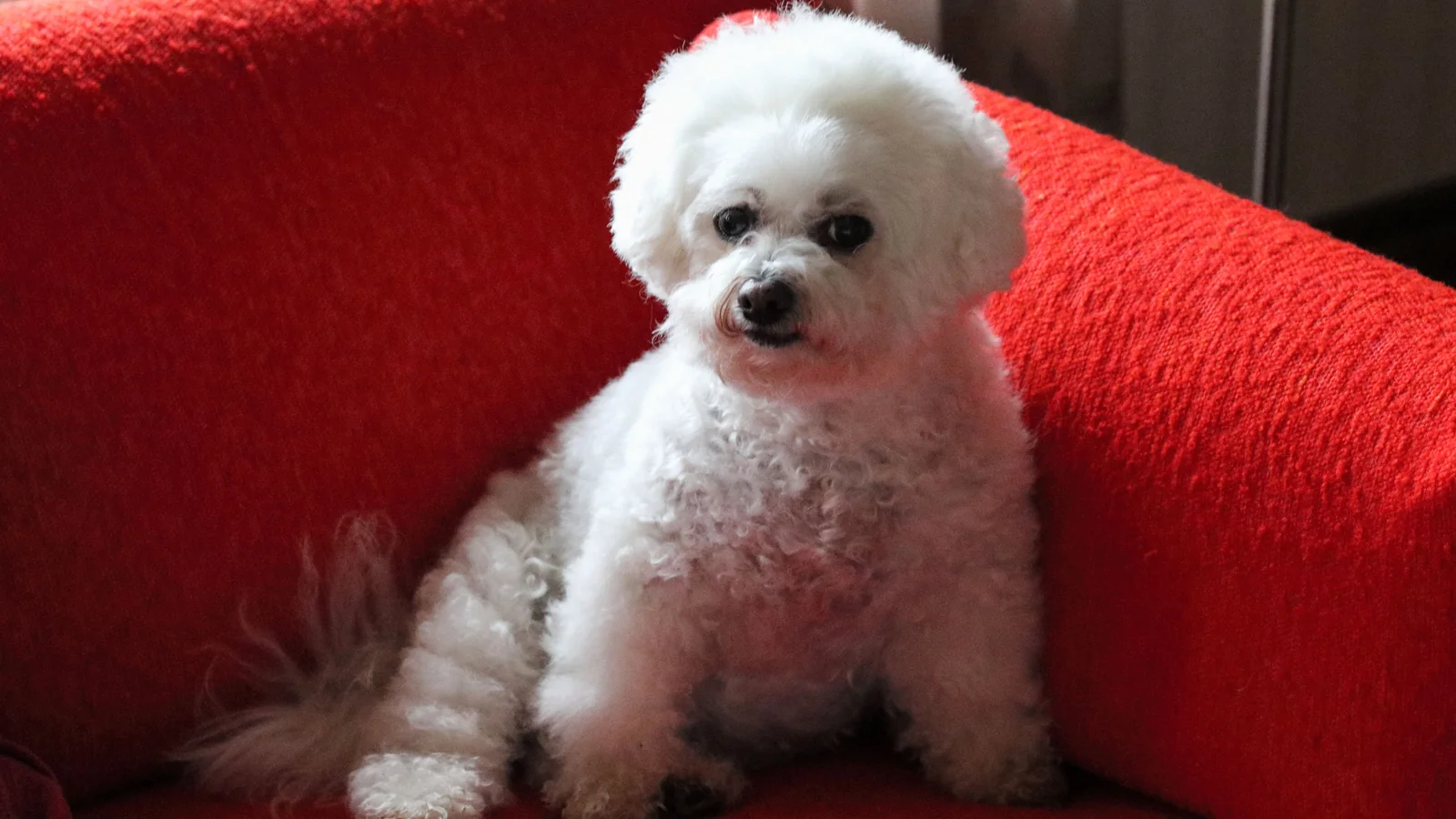
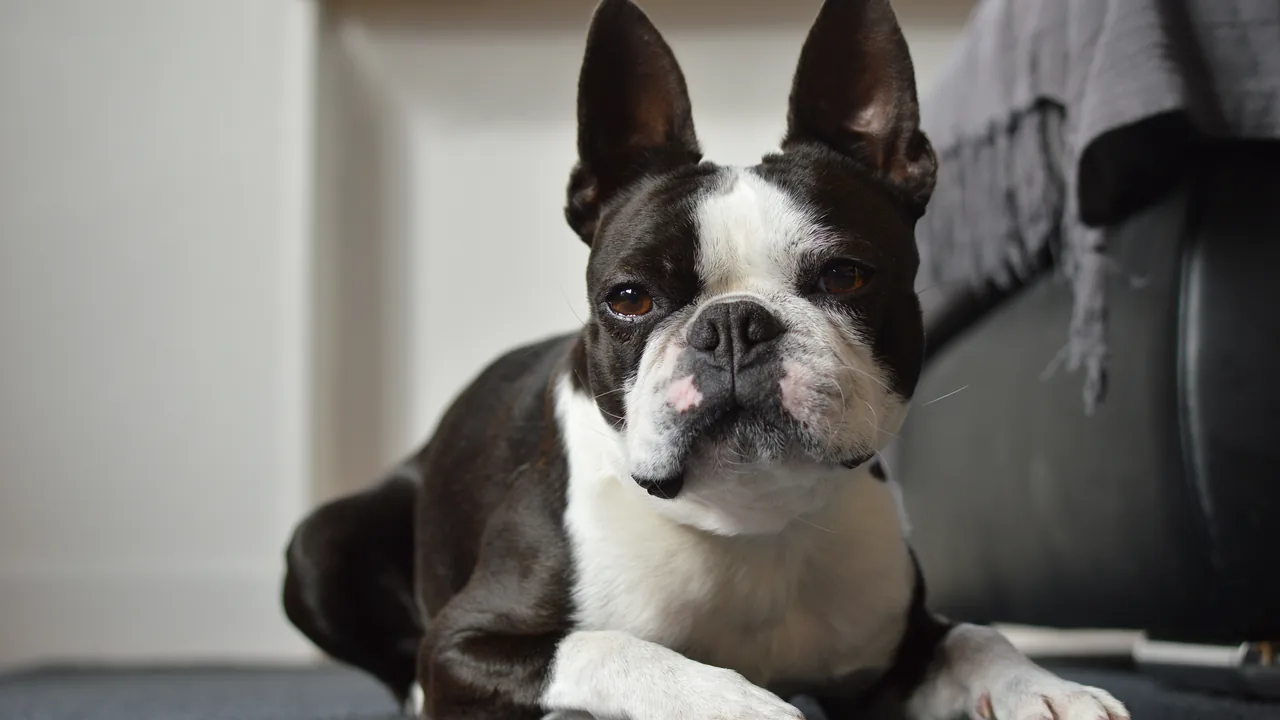
A Border Terrier in Singapore, the short version
The Border Terrier is HDB-approved and manageable in Singapore apartment life, but its double wiry coat makes the tropical heat a significant challenge. Heat tolerance is rated 2 out of 5. Walks must be strictly limited to early morning or late evening. The breed is energetic and curious, needing mental stimulation and structured exercise even in a hot climate. Border Terriers thrive in family environments and are rarely aggressive. Ear hygiene is important in Singapore's humidity. Regular grooming every 6 to 8 weeks keeps the coat manageable. Annual vet costs typically range SGD 700 to 1,100.
Find Border Terrier-friendly spots in Singapore
High-energy breed, so these outdoor venues give Border Terriers the space they need.
 Breed fit quiz Does a Border Terrier actually suit your life? Answer a few questions about your lifestyle and see how well this breed matches your real setup. Find out →