
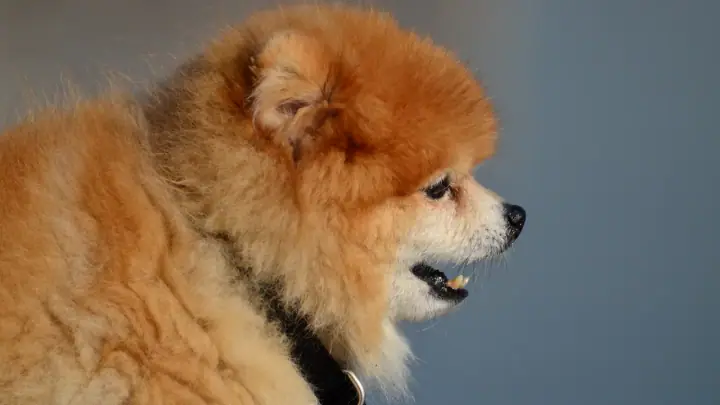
HDB-APPROVED · DOG BREED GUIDE
Last updated First published 31 May 2026
Notice one little habit together →A small idea to try, with progress kept in your Pack.
Also known as Pom, Zwergspitz, Dwarf Spitz, Loulou.
Thinking about adopting a Pomeranian?
The Pomeranian might look like a Victorian pom-pom, but it has the tenacity of a HDB committee member with a bone to pick.
Can a Pomeranian live in an HDB flat?
YesOn the HDB approved-breed list
Named on HDB's approved small-breed list for flats. Check any listed variety restrictions and confirm the individual dog before committing.
HDB sets and maintains the approved-breed list. Check the current rules at HDB.gov.sg →
Full list of HDB-approved breeds on this site →At a glance
- Size category
- Small
- Weight
- 1.5 to 3.5 kg
- Height
- 18 to 30 cm
- Lifespan
- 12 to 16 years
- Energy level
- ●●●○○ 3/5 (editorial, unvalidated)
- Shedding
- ●●●●○ 4/5 (editorial, unvalidated)
- Heat tolerance
- ●○○○○ 1/5 (editorial, unvalidated)
- Barking
- ●●●●● 5/5 (editorial, unvalidated)
- Trainability
- ●●●○○ 3/5 (editorial, unvalidated)
- Grooming needs
- ●●●●○ 4/5 (editorial, unvalidated)
- Origin
- Germany / Poland (historical Pomerania region)
Editorial climate-care note
Heavy double coat traps heat despite the small frame. Walk before 8am or after 7pm and never leave in a parked car.
This score is not a safe temperature or exercise limit. Any dog can develop heatstroke.
Plan activity around your dog, not a timer
A breed score cannot tell you how many minutes are safe today. Avoid hot conditions, watch your dog's breathing, and agree an activity plan with your vet.
Read PDSA's heatstroke guidance →Common health issues in Singapore's climate
Build a care budget
- Year 1
- S$3,536 to S$4,784
- Over 10 years
- S$32,725 to S$44,276
Illustrative planning assumptions for food, grooming and routine vet care, with inflation and a year-one setup uplift. These are not verified provider quotes or a lifespan prediction. Adjust the calculator to current quotes; add insurance, boarding and emergencies separately.
Run the full lifetime cost calculator →The Pomeranian is what happens when a sled-pulling spitz from northern Europe gets bred down over several centuries until it can fit in a handbag. Underneath the fluff is still a working dog from a cold climate, which becomes immediately relevant the first time you try to walk one at 11am in Tiong Bahru in March. The Pomeranian is a fine HDB dog for an owner who understands two things: that the breed was built for snow, and that it has an opinion about absolutely everything in the corridor.
Personality and temperament
For a dog that weighs 1.5 to 3.5 kg, the Pomeranian has an outsized presence. This is a confident, busy, self-appointed supervisor of the household, alert to every sound and quick to tell you about it. The spitz ancestry shows in the temperament as much as the coat: independent, a little bossy, more inclined to negotiate than to comply on reflex.
Barking is the defining trait, and this page rates it 5 out of 5, the highest band we use. The breed was a watch dog in northern Europe for centuries and the instinct survived intact through every round of size reduction. Your Pomeranian will alert you to the lift door, the delivery rider, the neighbour's wheeled trolley and the gecko on the corridor wall. Training reduces it substantially. Nothing eliminates it, and anyone telling you otherwise is selling you a puppy.
The bark is the cost of admission. Decide whether you can live with it before the puppy arrives, not after the first note from the town council.
This page records the breed as not recommended around young children, and the reason is fragility rather than temper. A 2 kg dog is genuinely easy to injure, and the combination of a small dog underfoot and a toddler who has not yet learned to look down is a bad one for the dog. With older children who understand how to handle a small animal, Poms do fine. They are generally sociable with other dogs.
The other living-with note: this is a small breed that does not always understand that it is small. Jumps down from sofas and out of arms account for a high share of patella and limb injuries. A low ramp bought early is cheaper than the alternative.
Exercise in Singapore's climate
Heat is the bigger issue than barking, and this page rates the Pomeranian's heat tolerance at 1 out of 5, the lowest band. The double coat is engineered for snow, and Singapore is the opposite of snow. Daily maximums of 31 to 33 degrees Celsius and average relative humidity around 82% year-round (Meteorological Service Singapore) mean there is no cool season to wait for.
Walk windows are tight: before 7am and after 8pm only, on grass or shaded pavement, with water carried for anything past fifteen minutes. Skip walks entirely on hazy or PSI-elevated days. Hard pavement at noon is a vet visit waiting to happen, and the breed is not stoic about overheating. It collapses, and recovery can be slow. A cooling mat at home is not optional.
Good local choices for the cool hours: Bishan-Ang Mo Kio Park early morning, the inner shaded loop at the Botanic Gardens, and the Punggol Waterway before sunrise.
The volume required is modest. Energy level on this page is 3 out of 5, and two short walks plus indoor play covers an adult Pom comfortably. That is fortunate, because the available walking hours are narrow. Indoor enrichment carries more of the load here than it would for the same breed in a temperate country: food puzzles, short training sessions, and scent games in the air conditioning are the difference between a satisfied dog and one that spends the afternoon barking at the corridor because there is nothing else to do.
Coat and grooming in the humidity
The double coat needs work, though less expensively than the doodle crosses. A full groom every 8 to 10 weeks at S$70 to S$120, and brushing at home two to three times a week, more during a seasonal shed. Shedding on this page is rated 4 out of 5, and in Singapore's stable humidity the shed is less a twice-yearly event than a steady background presence on dark clothing.
Do not shave a Pomeranian to cool it down. The undercoat protects against sunburn and helps regulate temperature in both directions, and shaving permanently alters the regrowth pattern in many lines, a problem serious enough that groomers have a name for it. The right answer to a hot Pom is a well-brushed coat with the dead undercoat stripped out at the groomer, plus shade, water and air conditioning. Ask for the undercoat to be raked, not for the dog to be clipped short.
Two humidity jobs to keep on the weekly list: dry the coat down to the skin after any bath or rain rather than towelling the surface, because a dense coat that stays damp against the skin is how hot spots start, and check the skin under the ruff and around the tail base where the coat is thickest. Hot spots are on this page's health-issue list for the breed.
Diet and feeding
Food on a small-breed kibble runs S$50 to S$80 a month, which makes the Pomeranian one of the cheaper dogs in Singapore to feed. That is also the trap. On a dog this small, portions are tiny and the margin for error is not: a few extra treats a day is a meaningful percentage of daily intake, and an overweight Pom is putting weight through knees that are already this page's main surgical risk.
Weigh the food rather than eyeballing it, and set the portion with your vet against your dog's actual weight and activity rather than a breed average. Keep kibble sealed and out of direct heat, because a humid kitchen spoils it faster than a temperate one, and keep fresh water available at all times, checked more often than a label would suggest for a dog panting in this climate.
Toy breeds also carry a specific risk worth knowing: very small or very young dogs can drop into low blood sugar if they go too long without eating, particularly puppies. Small, regular meals rather than one large one is the safer pattern, and any puppy that becomes wobbly, glassy or unusually sleepy needs a vet rather than a wait-and-see.
Training
Trainability on this page is 3 out of 5, which is honest rather than harsh. Poms are bright and perfectly capable of learning; they are simply less automatically compliant than a retriever, and they have opinions. Short, upbeat, reward-based sessions work. Repetition drills bore them.
The single most valuable thing you can teach is a managed response to noise, and it needs to start at about week ten rather than week thirty. Rather than trying to suppress the alert bark, which is hardwired, teach the sequence: bark once or twice, then come to you, then settle. Reward the settle, not the silence. A Pomeranian with poor noise training in an HDB corridor is a complaint waiting to be filed, and by the time the note arrives the habit is months old.
Two more worth deliberate effort:
- Handling. Get the puppy comfortable with paws, ears, mouth and being lifted, because a lifetime of grooming and dental care depends on it and a small dog that objects can be genuinely hard to work on.
- Four on the floor. Teaching the dog to wait to be lifted, and to use a ramp rather than jump, protects the knees more reliably than any supplement.
Do not let the size excuse the manners. The behaviours that would be unacceptable in a 30 kg dog are not charming in a 3 kg one, they are just survivable, and they still make the dog harder to live with.
Health
The UK Kennel Club lists eye testing under the BVA/KC/ISDS Eye Scheme as best practice before breeding Pomeranians, and places the breed in Breed Watch Category 2, meaning particular points of concern have been identified for the breed including features that can cause problems if exaggerated. The Category 2 listing is the part worth reading before you choose a breeder, because it is a direct statement that conformation in this breed can be pushed too far.
This page's own health-issue flags are dental health, joint and mobility problems and hot spots, and the vet line in practice is dominated by one of them.
Patellar luxation, a kneecap that slips out of its groove, affects a meaningful share of the breed. Surgical correction runs S$3,500 to S$6,000 per knee at the larger group practices and specialist clinics in Singapore. This is the number that should shape your insurance decision, and pet insurance is worth pricing before the puppy is settled rather than after the limp.
Dental disease is the quiet one. A toy-breed jaw is crowded, plaque accumulates faster, and by middle age an unmanaged mouth is both painful and a route to problems elsewhere. Daily brushing, or dental chews if brushing is genuinely impossible, plus professional scaling on your vet's schedule, is the highest-return routine care available for this breed.
Tracheal collapse is a recognised concern in toy breeds generally, which is a practical argument for walking a Pomeranian on a harness rather than a collar. It costs nothing to switch and it removes pressure from the windpipe.
None of this substitutes for your vet's assessment of your own dog.
Housing and space in Singapore
A Pomeranian fits any HDB flat physically and almost any HDB flat behaviourally, with the loud exception already covered. This page records the breed as HDB-approved; HDB maintains and updates the approved list, so confirm the current position with HDB before you commit to a puppy.
Ownership limits come from AVS rather than HDB. Under AVS's rules, an HDB flat may keep a maximum of one dog of an approved small breed plus up to two cats, and no dog on the Specified dogs list; private property may keep up to three cats or dogs in combination. Every dog needs an AVS licence. Licence fees depend on sterilisation status, age and the number of pets. One-time and three-year licences are different options. Check the current AVS fee table before paying.
Inside the flat, the things that matter are a cool resting place, a cooling mat, and furniture the dog can reach without jumping. Ramps or steps at the sofa and the bed are worth installing on day one rather than after the first injury.
Care and cost in Singapore
Plan for S$4,000 to S$5,500 in year one and S$3,200 to S$4,000 a year ongoing. Puppy pricing from licensed local breeders ranges S$3,000 to S$5,500 depending on lineage and coat colour. Grooming at S$70 to S$120 every 8 to 10 weeks and food at S$50 to S$80 a month are the predictable lines; the unpredictable one is orthopaedic. Run the full ten-year picture with the cost calculator.
Getting a Pomeranian: buying and adoption
If you are buying, insist on the breeder's AVS dog farm licence number, patella certification on both parents, an ophthalmologist's eye clearance, and a 24-month written health guarantee. Ask the adult weight of every dog in the parent line. "Teacup Pom" is a marketing term, not a kennel-club category, and dogs sold under it tend to come with disproportionate fragility, dental crowding and tracheal problems. A breeder who is proud of how small their dogs are is telling you something you should listen to.
Adoption is realistic for this breed. Pomeranians and Pom mixes appear in shelters when owners discover the barking, the shedding or the heat sensitivity is more work than expected. SOSD, Causes for Animals and Mercylight rehome small spitz-type dogs through the year, and smaller mixes qualifying as local can route through Project ADORE. An adult also comes with its temperament and its knees already visible.
What to skip: any Pomeranian imported from Indonesia or Malaysia at below local pricing. The customs gap, the parasitology record and the kennel-cough exposure typically make the saving disappear within the first six months.
Life stages: puppy to senior
Puppy, to about 12 months. Three jobs: noise training from week ten, handling tolerance for a lifetime of grooming and teeth, and protecting the joints. Small, regular meals, no jumping down from height, and a ramp before the habit forms. Socialise deliberately, because a confident Pom is much easier to live with than a reactive one.
Adolescent, roughly 9 to 18 months. The puppy coat gives way to the adult double coat, which is a messy few months and the point at which many owners are tempted into a shave. Do not. Increase brushing instead. Expect some testing of the noise rules at the same time and hold the line kindly.
Adult, roughly 2 to 9 years. Stable years. Keep the weight tight, the teeth brushed, the harness on instead of a collar, and the walk hours honest. This is the cheapest and best window to have insurance in force.
Senior, from about 10 years. Lifespan on this page is 12 to 16 years, which is genuinely long, so plan for a long old age rather than a short one. Move to twice-yearly vet visits. Watch for a change in gait or a reluctance to jump, which is usually a knee or a joint rather than laziness, and for bad breath or a dog eating on one side, which is usually the mouth. Eyesight and hearing commonly fade in this breed's later years; a dog that startles more easily is often a dog that heard you later than it used to, not one that has become grumpy. Keep the coat brushed even when grooming visits get harder on an older dog, and keep the flat cool. Heat tolerance was never good and it gets worse.
See dog-friendly cafes and parks in your region → | Run the 10-year cost of a Pomeranian in Singapore →
Three things to know
-
The bark is the cost of admission
A Pomeranian with poor noise training in an HDB corridor is a complaint to the town council waiting to be filed. Start training the alarm-bark cue from week ten, not week thirty.
-
Heat tolerance is the dealbreaker for the wrong household
If your routine requires daytime walks, a Pomeranian is the wrong dog. The breed is not stoic about overheating; it collapses, and recovery can be slow.
-
Never shave a Pomeranian for the weather
The double coat is doing temperature work, not cosmetic work. Strip the undercoat at the groomer instead, and trust the design.
Annual cost in Singapore
Editable planning estimates, not verified provider quotes or a prediction of your dog's bills. Boarding, one-off equipment and emergencies are additional.
- Food
- S$800
- Grooming
- S$1,300
- Routine vet
- S$1,100
- Sum of the three
- S$3,200/year
Run the lifetime cost calculator →
Get a current insurance quote for your dog's age and circumstances. Compare exclusions, waiting periods, excess and cover limits. Compare policy questions here →
Frequently asked questions
Is a Pomeranian HDB-approved in Singapore?
Yes. The Pomeranian is on the HDB list of breeds approved for flats. Confirm the current HDB and AVS rules before you commit, as the approved list can change.
Do Pomeranians bark a lot?
Our current barking assessment is: is very vocal (editorial estimate). It has not been independently validated. Ask about this dog's observed behaviour, triggers and time alone; the breed label cannot predict your neighbour's experience.
How much grooming does a Pomeranian need?
Our current grooming assessment is: is high-maintenance to groom (editorial estimate). Confirm the individual coat-care routine and any professional grooming with the rescue, groomer or vet. The score is not a measured frequency or price.
How does a Pomeranian cope with Singapore's heat?
An editorial heat score cannot establish a safe temperature or walk duration for an individual dog. Activity, humidity, health, age and body shape matter. Avoid hot conditions, provide shade and water, and ask your vet about an appropriate activity plan.
Is a Pomeranian a good breed for a first-time owner?
Our household-fit note is: Editorial: may suit. This is not a validated prediction. Assess the individual dog, your daily capacity, training support and known care needs before deciding.
How much does a Pomeranian cost to keep in Singapore?
The stored planning assumption is S$3,200 a year for food, grooming and routine veterinary care. It is not a verified typical cost for this breed. Replace it with current quotes and your own usage; add setup, licensing, insurance if chosen, boarding and emergency savings separately.
Other small breeds to consider
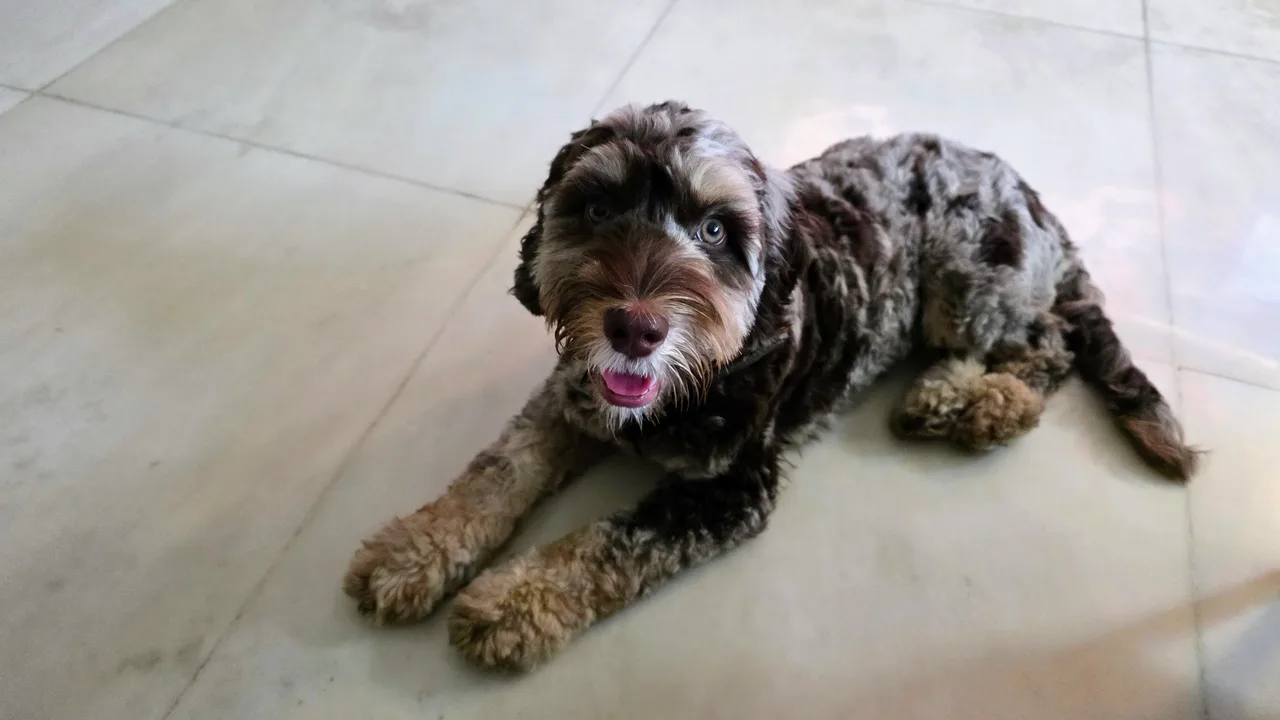
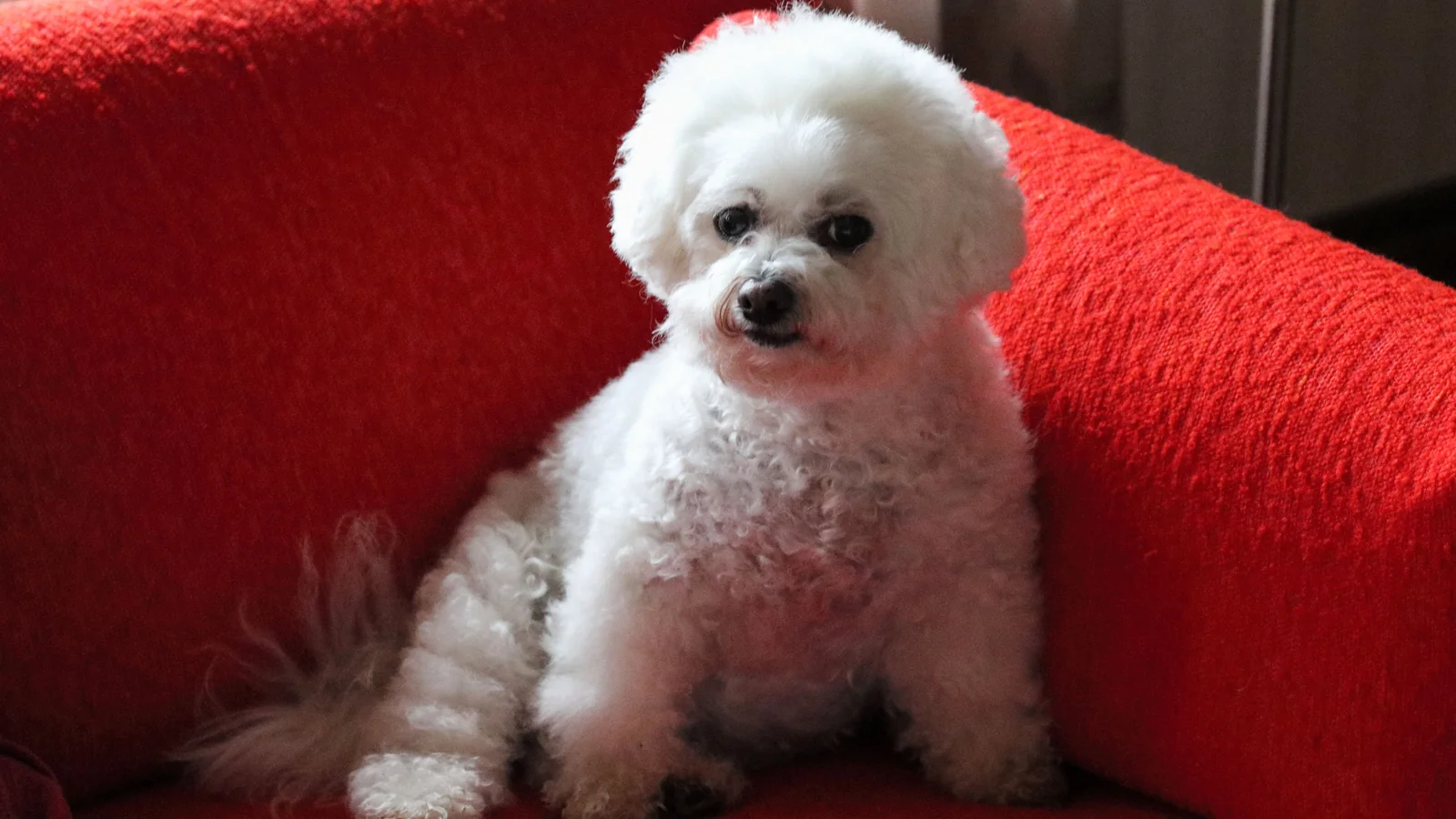
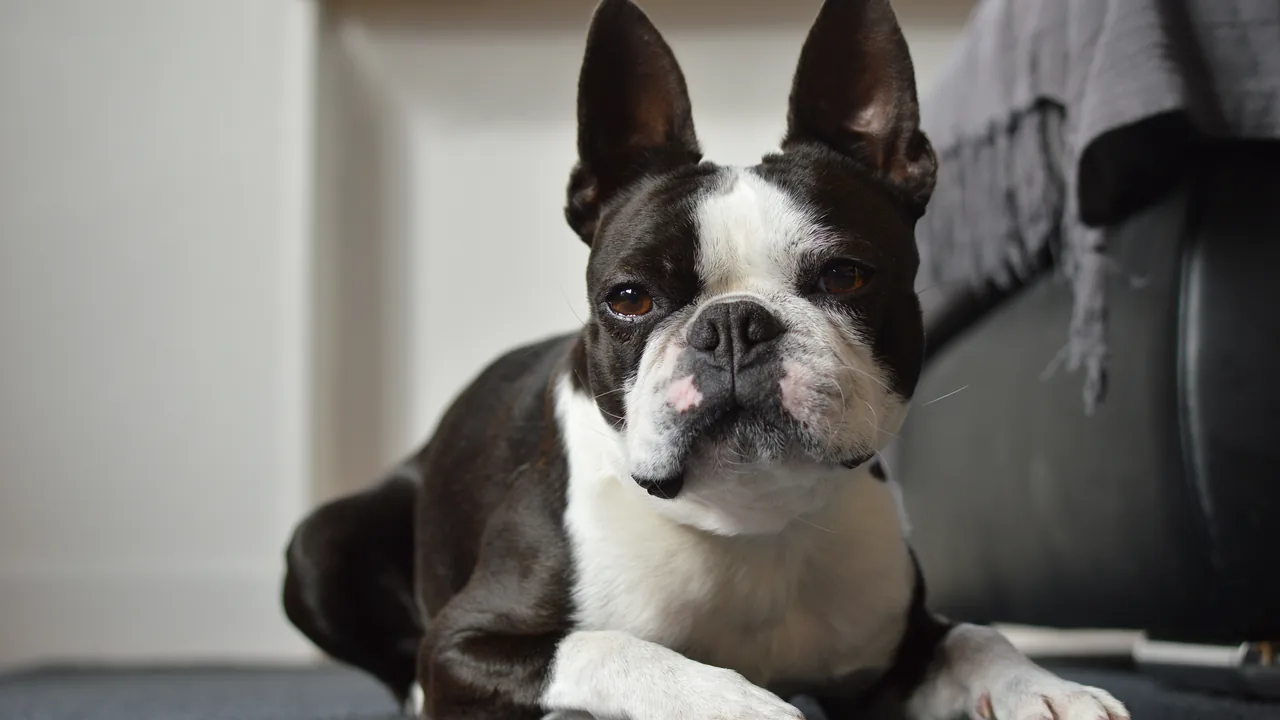
A Pomeranian in Singapore, the short version
A Pomeranian is HDB-approved and a genuinely easy fit for flat living, tiny, low exercise needs, and comfortable indoors. Its heavy double coat is the main climate mismatch: it was bred for cold weather, and Singapore's humidity means regular brushing and a cooler indoor environment matter more than they would elsewhere. Walks should sit in the early morning or evening rather than the midday sun. Given the small size, an HDB flat or condo suits it well, but owners shouldn't mistake the coat for low maintenance, it needs frequent grooming to avoid matting and skin issues in the heat.
Pomeranian vs...
Deciding between two breeds? See them side by side.
Find Pomeranian-friendly spots in Singapore
Good spots to visit with a Pomeranian in Singapore.
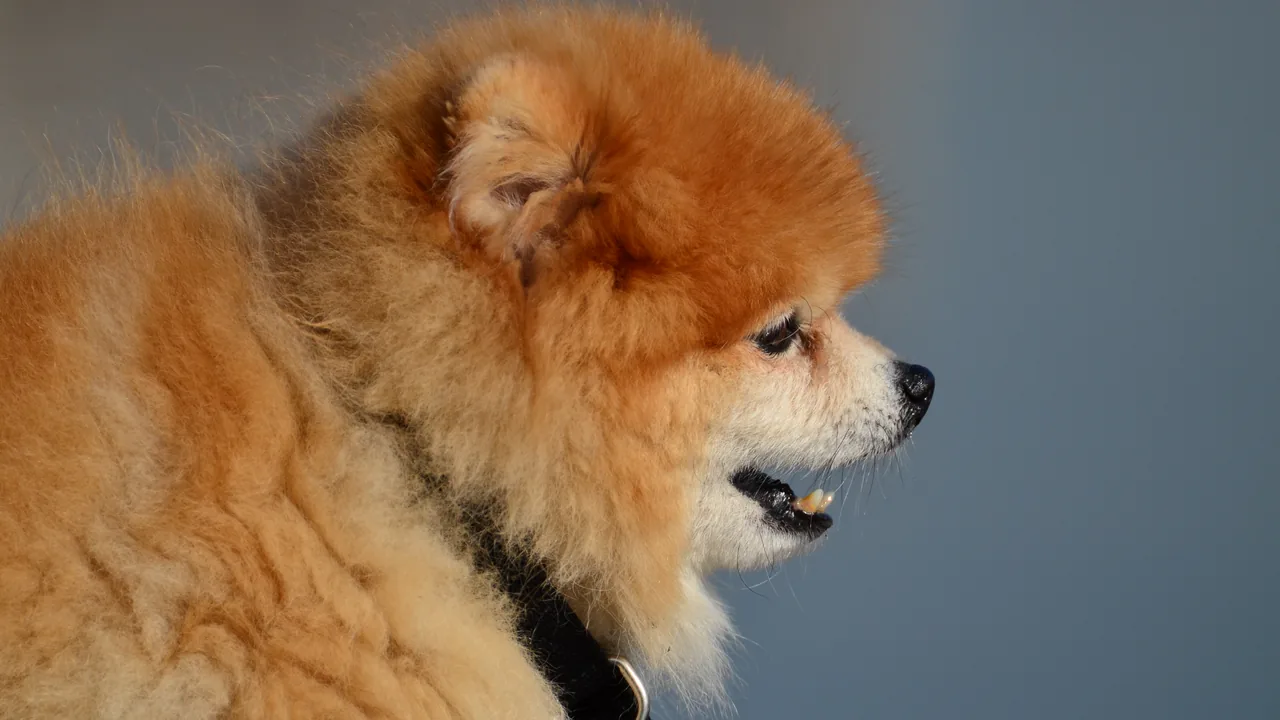 Find Your Match Meet Pomeranian first “I'm the size of a teacup and I guard this flat like it's Fort Knox” Swipe through a dating-profile-style card before you commit. Say hello →
 Breed fit quiz Does a Pomeranian actually suit your life? Answer a few questions about your lifestyle and see how well this breed matches your real setup. Find out →