HDB-APPROVED · DOG BREED GUIDE
Last updated First published 1 June 2026
Notice one little habit together →A small idea to try, with progress kept in your Pack.
Also known as Norwich, Prick-eared Norwich.
Thinking about adopting a Norwich Terrier?
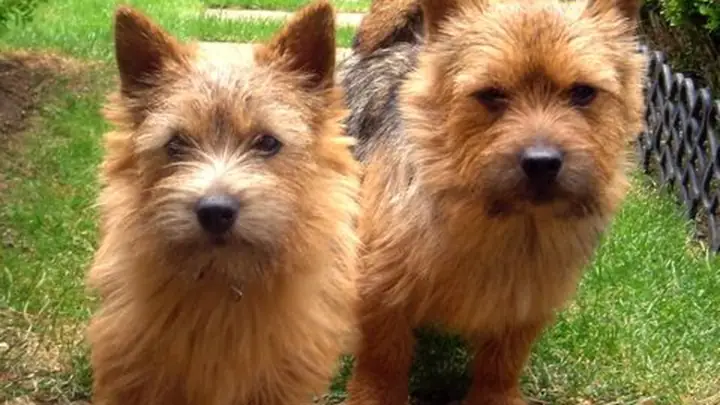
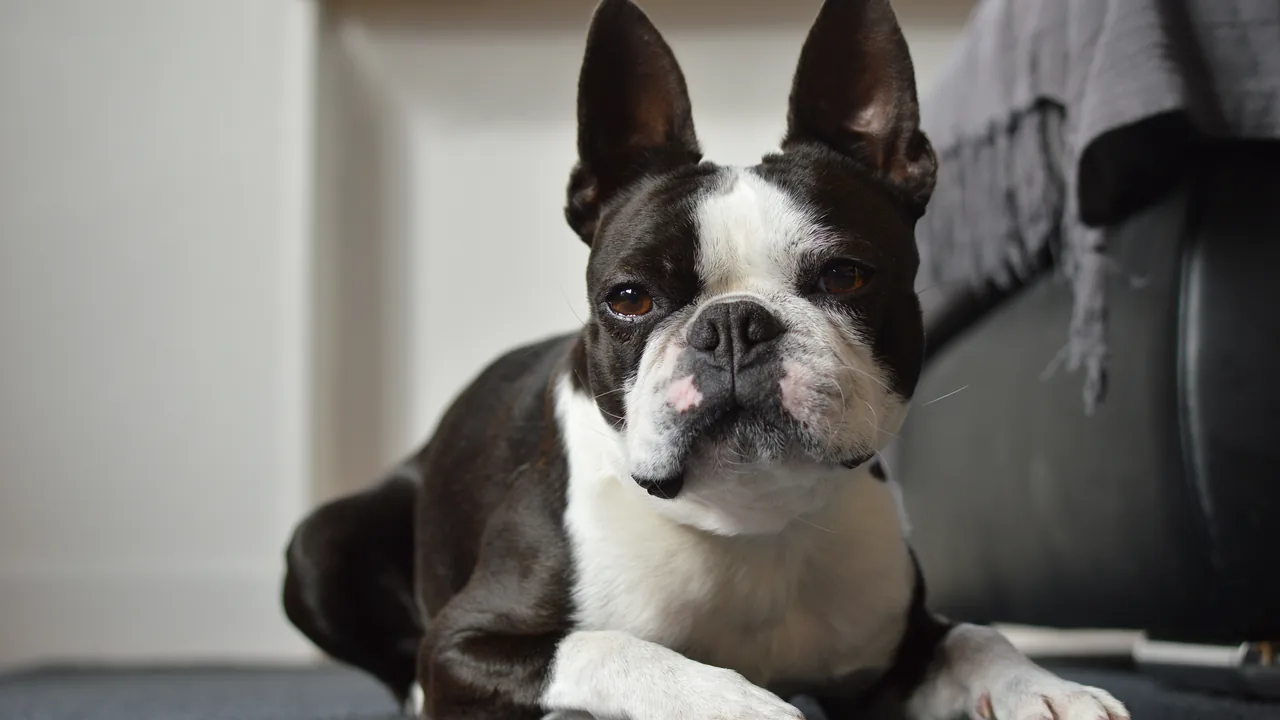
Norwich Terriers boast ears so perky they defy gravity, a feature that once helped them eavesdrop on every rat in town and now lets them monitor the neighbour's cat from the safety of an HDB flat.
Can a Norwich Terrier live in an HDB flat?
YesOn the HDB approved-breed list
Named on HDB's approved small-breed list for flats. Check any listed variety restrictions and confirm the individual dog before committing.
HDB sets and maintains the approved-breed list. Check the current rules at HDB.gov.sg →
Full list of HDB-approved breeds on this site →At a glance
- Size category
- Small
- Weight
- 5 to 6 kg
- Height
- 24 to 26 cm
- Lifespan
- 12 to 15 years
- Energy level
- ●●●●○ 4/5 (editorial, unvalidated)
- Shedding
- ●●○○○ 2/5 (editorial, unvalidated)
- Heat tolerance
- ●●○○○ 2/5 (editorial, unvalidated)
- Barking
- ●●●○○ 3/5 (editorial, unvalidated)
- Trainability
- ●●●●○ 4/5 (editorial, unvalidated)
- Grooming needs
- ●●●○○ 3/5 (editorial, unvalidated)
- Origin
- United Kingdom
Editorial climate-care note
Heat tolerance rated 2 out of 5. The Norwich Terrier's dense, wiry double coat traps heat, making Singapore's 28 to 32 degrees Celsius temperatures and high humidity difficult. Upper Airway Syndrome common in the breed can worsen in heat and humidity. Walk only before 8am or after 7pm, keep sessions brief, and maintain an air-conditioned home environment.
This score is not a safe temperature or exercise limit. Any dog can develop heatstroke.
Plan activity around your dog, not a timer
A breed score cannot tell you how many minutes are safe today. Avoid hot conditions, watch your dog's breathing, and agree an activity plan with your vet.
Read PDSA's heatstroke guidance →Common health issues in Singapore's climate
Build a care budget
- Year 1
- S$3,868 to S$5,233
- Over 10 years
- S$35,793 to S$48,426
Illustrative planning assumptions for food, grooming and routine vet care, with inflation and a year-one setup uplift. These are not verified provider quotes or a lifespan prediction. Adjust the calculator to current quotes; add insurance, boarding and emergencies separately.
Run the full lifetime cost calculator →The Norwich Terrier is the Norfolk's close cousin, distinguished mainly by ear carriage: upright here, dropped there. Same working history, same size, same cheerful pack-bred temperament, and it is on HDB's approved list.
Where the two pages genuinely diverge is the health section, and it is worth reading rather than assuming they are interchangeable. The Kennel Club places the Norwich in Breed Watch Category 2 and notes that the breed "can be affected by conformational concerns", where the Norfolk sits in Category 1 with none identified. This page's own health-issue list agrees, and includes collapsed trachea.
Personality and temperament
Bred to work in packs after vermin, which is why a terrier with this much drive is also this easy to live with. Trainability is rated 4 out of 5, beginner friendliness is high, and it is rated good with children and good with other dogs.
Barking is rated 3 out of 5, moderate, which is genuinely good for a working terrier and still worth shaping in a block of flats.
Energy is rated 4 out of 5, which people discount because the dog is small and looks like a soft toy with opinions. It is a working animal. A Norwich with nothing to do will dig, chew and invent employment.
Exercise in Singapore's climate
Heat tolerance is rated 2 out of 5. The harsh wiry outer coat over an insulating undercoat was developed for cold, wet fieldwork, which is close to the least useful specification for a daily maximum of 31 to 33 degrees Celsius with average relative humidity around 82% year round (Meteorological Service Singapore).
That leaves 4 out of 5 energy against 2 out of 5 heat tolerance, the same squeeze as the Norfolk, with one extra consideration. Collapsed trachea is on this page's health-issue list, and a dog with any degree of tracheal weakness working hard in humid heat is a dog whose breathing you should be watching rather than admiring.
Two walks a day of about thirty minutes, strictly before 8am and after 8pm, on grass and shade, with water. Turn back at the first sign of a dog working to breathe.
Move the rest indoors and into the nose: scattered kibble, hidden toys, a snuffle mat, short bursts of trick training through the day, a flirt pole in the cool evening. This is the substitute for the outdoor exercise the climate will not give you, and it is what prevents the digging.
Two practical points for a Singapore walk, both of which follow from the airway rather than from the coat. Excitement is a bigger trigger than distance, so the moment to watch is not the end of a long walk but the first thirty seconds of meeting another dog, when a terrier pulls hardest. And heat and airway trouble compound each other: a dog struggling to move air is a dog struggling to cool, so on a close, still evening cut the walk short rather than pressing on to finish the loop.
One more thing worth knowing about the temperament, because it affects who this breed suits. Norwich Terriers were worked in packs, which is why they are rated good with other dogs where several small terriers are not. In a household that already has a dog, this is one of the easier terriers to introduce, provided you do it properly and slowly. It is also why they dislike being the only living thing in an empty flat all day.
Coat and grooming in the humidity
Grooming needs are rated 3 out of 5 at about S$1,300 a year, with shedding rated 2 out of 5. Low-shedding and reasonably practical, with the same hand-stripping decision every harsh-coated terrier carries.
Stripping removes dead outer hairs so the harsh coat grows through. Clipping cuts them, and over time the coat softens, lies flatter and traps more moisture, which in this humidity works against the dog. Discuss it with your groomer rather than defaulting, and if you clip, keep it short.
Brush two or three times a week to pull the dead undercoat out, which is what actually helps the dog cool.
The upright ears are one small advantage over the Norfolk in this climate: an open ear canal dries faster than a covered one. Still check weekly, and dry the dog properly after any bath or rain.
Diet and feeding
Food runs about S$1,200 a year, high for a 5 to 6 kg dog and a fair reflection of the energy rating.
Keeping this dog lean matters for two entries on this page's health list at once. Patellar luxation is on it, where weight goes through the knees. And collapsed trachea is on it, where extra weight makes every breath a little more work.
Weigh the food, count treats inside the daily total, and have your vet body-condition score at every visit, because a wiry coat hides a thickening waist well.
Dental health leads this page's health-issue list. A small jaw over a life that may reach fifteen years needs daily brushing rather than an annual scale.
Training
A willing terrier that will still negotiate. Four priorities, and the first is not optional on this breed:
- A harness, never a collar. Collapsed trachea is on this page's health-issue list, and a terrier pulling against a collar puts pressure directly on the windpipe that is already the breed's weak point. A Y-front harness spreads the load across the chest. Treat this as a rule rather than a preference.
- Daily structured mental work. The substitute for the exercise the climate caps, and the most effective thing you can do about barking and digging.
- Four feet on the floor. Patellar luxation on the health list means the jump down off the sofa is the avoidable injury. Provide steps, reward the sit.
- Recall, worked hard and never fully trusted. A dog bred to follow quarry underground will chase.
Health
The UK Kennel Club places the Norwich Terrier in Breed Watch Category 2 and states that "this breed can be affected by conformational concerns". It lists no recommended pre-breeding screening scheme for the breed.
That combination is the thing to understand: a flagged conformational note and no certificate to demand. Conformational means the shape of the dog itself rather than a disease it might catch, and the Kennel Club is signalling that features which define how the breed looks can also create risk.
This page's own health-issue list gives that a concrete shape, and the entry to take seriously is collapsed trachea. The windpipe is held open by rings of cartilage, and in some small breeds those weaken so the airway flattens, most obviously on exertion or excitement. The classic early sign is a dry honking cough, often described as goose-like, brought on by pulling on the lead, excitement or heat. In this climate that matters more than it would elsewhere, because a dog that cannot move air efficiently also cannot cool efficiently.
What you can do about it is mostly mechanical and mostly yours: a harness rather than a collar for life, keep the dog lean, avoid smoke and strong aerosols indoors, and do not let an excited dog haul itself along on a lead. A honking cough that appears or worsens is a vet visit rather than a quirk.
Also on the list: dental health, patellar luxation, eye conditions, epilepsy and heart conditions. With no screening scheme, ask for a written veterinary patella assessment and an eye examination on both parents, ask whether both parents have been examined with the heart in mind, and ask plainly whether any dog in the line has had seizures. There is no test to point at for epilepsy, so a direct question is the only tool available.
Routine veterinary care runs about S$1,000 a year. Arrange insurance in the first weeks, before any airway, knee or heart note is on a clinical record to be written back as an exclusion. None of this replaces your own vet's assessment of your own dog.
Housing and space in Singapore
The Norwich Terrier is named on HDB's published list of approved breeds for flats, which runs to 61 named breeds plus a cross of any two of them. Confirm the current position there before you commit, since HDB maintains and updates the list.
Ownership limits come from AVS rather than HDB. Under AVS's rules, an HDB flat may keep a maximum of one dog of an approved small breed plus up to two cats, and no dog on the Specified dogs list; private property may keep up to three cats or dogs in combination. Every dog needs an AVS licence. Licence fees depend on sterilisation status, age and the number of pets. One-time and three-year licences are different options. Check the current AVS fee table before paying.
Size is no obstacle; the coat and the airway are. Give the dog a cool tiled place to lie out of the afternoon sun and think about the middle of the day when nobody is home. Put runners on polished tile and steps up to any furniture the dog uses, and keep the flat free of smoke and heavy aerosols.
Care and cost in Singapore
On this page's figures: about S$1,200 a year for food, S$1,300 for grooming and S$1,000 for routine veterinary care. A modest total for a hardy small dog, with the grooming line assuming proper coat work several times a year. Run the ten-year picture with the cost calculator.
Getting a Norwich Terrier: buying and adoption
With no screening scheme to ask for, ask for these: the AVS dog farm licence number, a written veterinary patella assessment for both parents, an eye examination for both parents, and a written health guarantee. Then ask about hearts, about seizures in the line, and about breathing.
On the last one, use your ears rather than a form. Listen to both parents at rest and again after they have moved around, and listen for a dry honking cough on excitement. A breeder who takes the Category 2 note seriously will raise the airway before you do.
Be clear which breed you are buying. Norwich and Norfolk Terriers differ mainly in ear carriage, upright for the Norwich, dropped for the Norfolk, and sellers are not always precise. Given that the two carry different Breed Watch categories, this is not a pedantic distinction.
Adoption is worth checking. Small terriers and terrier crosses come through SOSD, Causes for Animals and Mercylight, and under-occupation is the recurring surrender story for the type.
Life stages: puppy to senior
Puppy, to about 12 months. Fit a harness from the first walk and never use a collar for lead pressure. Start grooming handling in week ten before the adult wiry coat arrives, plus daily tooth brushing and weekly ear checks. Keep the puppy lean and get insurance in force early.
Adolescent, roughly 9 to 18 months. The adult coat comes through and the stripping question becomes real. Terrier independence peaks. Watch for a skip or hop behind, and for any honking cough on excitement or lead pressure, which is the classic first sign of tracheal weakness. Report either even if it passes.
Adult, roughly 2 to 9 years. Easy and entertaining provided the dog has work. Coat on schedule, teeth daily, weight held, harness always, walks in the cool hours, nose games most days.
Senior, from about 10 years. Lifespan here is 12 to 15 years. Move to twice-yearly vet visits and ask for the heart to be listened to at each. A cough that becomes more frequent deserves attention rather than acceptance. Older dogs tolerate heat less, so shorten the walks and keep the indoor games going.
See dog-friendly cafes and parks in your region → | Run the 10-year cost of a Norwich Terrier in Singapore →
Three things to know
-
A harness, never a collar, for life
Collapsed trachea is on this page's health list and the Kennel Club flags the breed for conformational concerns. A dry honking cough on excitement or lead pressure is the early sign and deserves a vet visit.
-
It is not the Norfolk, and the difference is in the health section
Same history, same size, ears upright rather than dropped, but Breed Watch Category 2 with conformational concerns rather than Category 1 with none. Make sure you know which breed you are being sold.
-
No screening scheme exists, so ask instead
Written patella assessments and eye examinations on both parents, plus direct questions about hearts, seizures and breathing. Then listen to the parents yourself.
Annual cost in Singapore
Editable planning estimates, not verified provider quotes or a prediction of your dog's bills. Boarding, one-off equipment and emergencies are additional.
- Food
- S$1,200
- Grooming
- S$1,300
- Routine vet
- S$1,000
- Sum of the three
- S$3,500/year
Run the lifetime cost calculator →
Get a current insurance quote for your dog's age and circumstances. Compare exclusions, waiting periods, excess and cover limits. Compare policy questions here →
Frequently asked questions
Is a Norwich Terrier HDB-approved in Singapore?
Yes. The Norwich Terrier is on the HDB list of breeds approved for flats. Confirm the current HDB and AVS rules before you commit, as the approved list can change.
Do Norwich Terriers bark a lot?
Our current barking assessment is: has a moderate bark (editorial estimate). It has not been independently validated. Ask about this dog's observed behaviour, triggers and time alone; the breed label cannot predict your neighbour's experience.
How much grooming does a Norwich Terrier need?
Our current grooming assessment is: needs moderate grooming (editorial estimate). Confirm the individual coat-care routine and any professional grooming with the rescue, groomer or vet. The score is not a measured frequency or price.
How does a Norwich Terrier cope with Singapore's heat?
An editorial heat score cannot establish a safe temperature or walk duration for an individual dog. Activity, humidity, health, age and body shape matter. Avoid hot conditions, provide shade and water, and ask your vet about an appropriate activity plan.
Is a Norwich Terrier a good breed for a first-time owner?
Our household-fit note is: Editorial: may suit. This is not a validated prediction. Assess the individual dog, your daily capacity, training support and known care needs before deciding.
How much does a Norwich Terrier cost to keep in Singapore?
The stored planning assumption is S$3,500 a year for food, grooming and routine veterinary care. It is not a verified typical cost for this breed. Replace it with current quotes and your own usage; add setup, licensing, insurance if chosen, boarding and emergency savings separately.
Other small breeds to consider
A Norwich Terrier in Singapore, the short version
The Norwich Terrier is HDB-approved and compact enough for Singapore apartment life, but its dense double coat and susceptibility to Upper Airway Syndrome make it one of the more heat-sensitive small breeds in the tropical climate. Air-conditioning is a necessity rather than a luxury. Walks must be kept to early morning or late evening and should be short. Overheating and respiratory distress are real risks. Dental disease requires consistent home brushing and annual vet dental checks. Norwich Terriers are lively and affectionate companions. Annual vet costs typically range SGD 700 to 1,200 including respiratory monitoring.
Find Norwich Terrier-friendly spots in Singapore
High-energy breed, so these outdoor venues give Norwich Terriers the space they need.
 Breed fit quiz Does a Norwich Terrier actually suit your life? Answer a few questions about your lifestyle and see how well this breed matches your real setup. Find out →