HDB-APPROVED · DOG BREED GUIDE
Last updated First published 31 May 2026
Notice one little habit together →A small idea to try, with progress kept in your Pack.
Also known as Mini Dachshund, Miniature Doxie, Mini Wiener Dog, Zwergdackel.
Thinking about adopting a Miniature Dachshund?
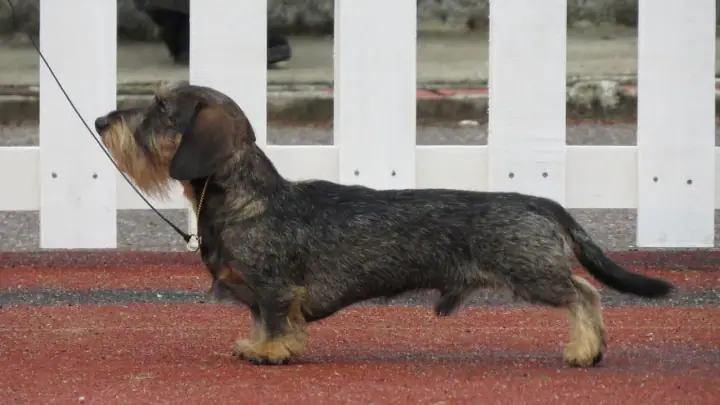
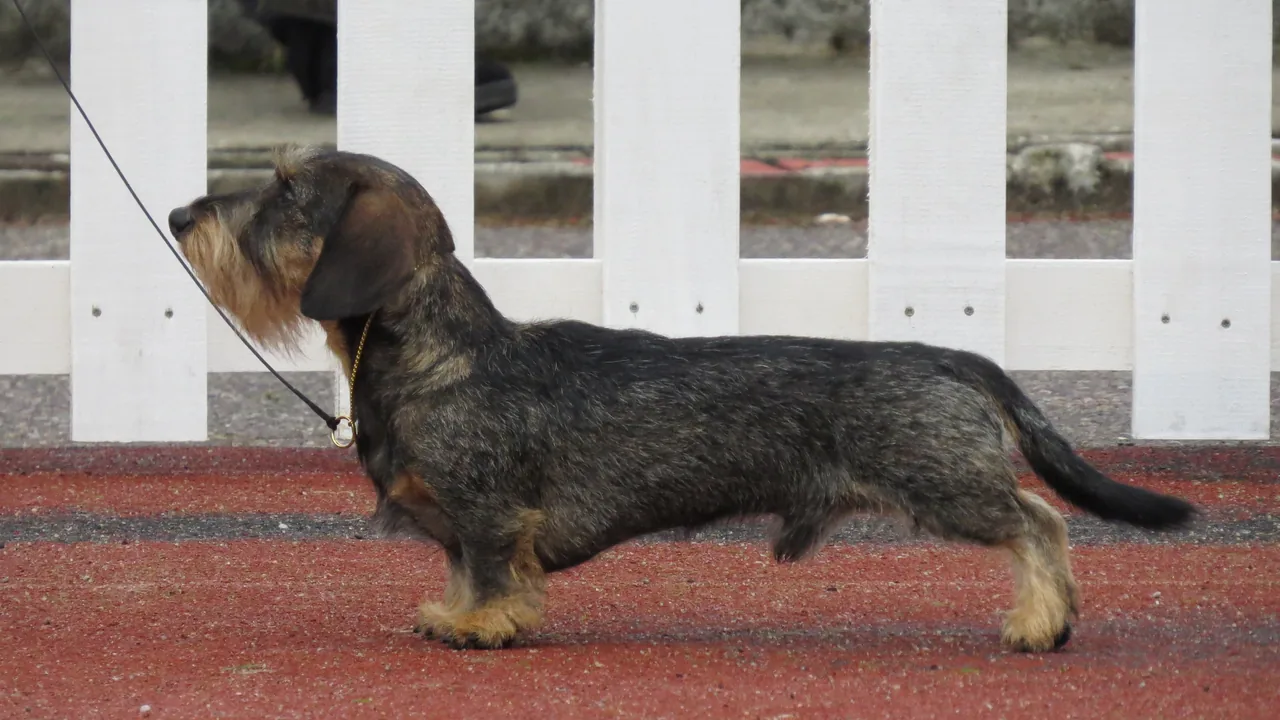
The Miniature Dachshund's short legs and long spine evoke a furry sausage, perfectly designed to join you on the couch while believing it's a lion on the hunt.
Can a Miniature Dachshund live in an HDB flat?
YesOn the HDB approved-breed list
Named on HDB's approved small-breed list for flats. Check any listed variety restrictions and confirm the individual dog before committing.
HDB sets and maintains the approved-breed list. Check the current rules at HDB.gov.sg →
Full list of HDB-approved breeds on this site →At a glance
- Size category
- Small
- Weight
- 3.5 to 5 kg
- Height
- 13 to 18 cm
- Lifespan
- 12 to 16 years
- Energy level
- ●●●○○ 3/5 (editorial, unvalidated)
- Shedding
- ●●○○○ 2/5 (editorial, unvalidated)
- Heat tolerance
- ●●●○○ 3/5 (editorial, unvalidated)
- Barking
- ●●●●○ 4/5 (editorial, unvalidated)
- Trainability
- ●●●○○ 3/5 (editorial, unvalidated)
- Grooming needs
- ●●○○○ 2/5 (editorial, unvalidated)
- Origin
- Germany
Editorial climate-care note
Heat tolerance rated 3 out of 5. The Miniature Dachshund's short coat manages Singapore's 28 to 32 degrees Celsius heat reasonably well, but the humidity and ground-level heat on pavements can be harsh on their low-slung bodies. Walk before 8am or after 7pm to protect both paws and their long spine.
This score is not a safe temperature or exercise limit. Any dog can develop heatstroke.
Plan activity around your dog, not a timer
A breed score cannot tell you how many minutes are safe today. Avoid hot conditions, watch your dog's breathing, and agree an activity plan with your vet.
Read PDSA's heatstroke guidance →Common health issues in Singapore's climate
Build a care budget
- Year 1
- S$3,149 to S$4,261
- Over 10 years
- S$29,146 to S$39,433
Illustrative planning assumptions for food, grooming and routine vet care, with inflation and a year-one setup uplift. These are not verified provider quotes or a lifespan prediction. Adjust the calculator to current quotes; add insurance, boarding and emergencies separately.
Run the full lifetime cost calculator →Everything about owning a Miniature Dachshund in Singapore comes back to one structure: the spine. IVDD leads this page's health-issue list, it is the condition most likely to define your dog's life, and almost every daily decision you make, about furniture, flooring, harnesses, stairs and weight, is really a decision about that spine.
The good news is that a great deal of it is within your control, and that this is otherwise an excellent flat dog. It is on HDB's approved list, it is 3.5 to 5 kg, energy is a manageable 3 out of 5, and it may live sixteen years.
Personality and temperament
A Dachshund is a scent hound in a very short body. It was bred to go down a badger sett alone and argue with what it found, and that job produced a dog that is brave, stubborn, and entirely convinced of its own judgement.
Trainability is rated 3 out of 5, which is a comment on willingness rather than ability. Beginner friendliness is rated high, and it is rated good with other dogs.
It is rated not good with young children, and the reason is the spine again rather than temperament: a dog with this back should not be picked up carelessly, squeezed or dropped, and a toddler cannot be relied on to know that. With older children who have been taught to support the body properly, it is usually fine.
Barking is rated 4 out of 5. This is a hound bred to be heard from underground, and the voice is genuinely large for the dog. In a flat that needs deliberate work from the first month.
Exercise in Singapore's climate
Heat tolerance is rated 3 out of 5. The short coat manages Singapore's daily maximum of 31 to 33 degrees Celsius with average relative humidity around 82% year round (Meteorological Service Singapore) reasonably well, and the limiting factor is ground clearance: a dog whose chest sits a few centimetres above the pavement takes the full radiated heat off it. Check the surface with the back of your hand before you set off.
Two walks a day of twenty to thirty minutes in the cool hours suits 3 out of 5 energy well. Keep the dog moving on the flat rather than up and down kerbs and steps.
Use the nose, which is the most satisfying and most underused thing you can do for this breed. Scatter kibble in the living room, hide a toy and send the dog to find it, run a simple scent trail. A Dachshund with something to track is a contented Dachshund, and it is the safest possible exercise for a dog that should not be jumping.
What to avoid is specific and non-negotiable: no jumping down from sofas or beds, no stairs where you can avoid them, and no games that involve twisting or launching. Those are the movements that damage discs.
Coat and grooming in the humidity
Grooming needs are rated 2 out of 5 at about S$500 a year and shedding 2 out of 5, which for a smooth-haired dog is an easy coat in a humid climate. There are also long-haired and wire-haired varieties, which need correspondingly more brushing; ask which you are getting.
A weekly rubber-mitt pass covers the smooth coat. Dry the dog properly after rain or a bath.
Two things need more attention than the coat. The ears are long and drop, and in this humidity they trap moisture, so look inside weekly and dry them after any bath. And the nails matter more on this breed than most: overgrown nails change how a low-slung dog stands and loads its back, so trim little and often.
Itchy skin and allergies are both on this page's health-issue list, so keep the dog dry and resist rotating foods hopefully at the first scratch.
Diet and feeding
Food runs about S$850 a year, and this is the most consequential feeding section of any small breed on this site.
Weight management is on this page's health-issue list, and on a Dachshund it is not cosmetic. Every extra gram is load carried by a long unsupported span of spine. A lean Dachshund is measurably less likely to have a disc problem, and an overweight one is measurably more likely, which makes the kitchen scale a piece of orthopaedic equipment.
Weigh the food, count treats inside the daily total rather than on top, and ask your vet to body-condition score at every visit. You should be able to feel ribs easily. On this breed, resist the urge to let the dog talk you into more, which it will attempt daily and with considerable skill.
Dental health is also listed, which is the standard small-jaw problem over a potentially sixteen-year life. Brush daily.
Training
An independent hound trains on payment rather than instruction. Four priorities, and two of them are really spine care:
- Four feet on the floor, taught as a rule. Provide steps or a ramp to any furniture the dog is allowed on, and make the rest genuinely inaccessible. The jump down is what does the damage, not the jump up.
- A harness, never a collar. A Y-front harness spreads load across the chest instead of pulling on the neck and spine.
- The "quiet" cue, from week ten. Barking at 4 out of 5 in a hound bred to be audible from underground, living beside a shared corridor. Reward the settle after the alert.
- Being handled and lifted properly. Teach the dog to accept being picked up with one hand under the chest and one under the rear, supporting the whole body, and teach everyone in the household to do it that way.
Health
The UK Kennel Club recommends a DNA test for progressive retinal atrophy, PRA(cord1), and eye testing using the BVA/KC/ISDS Eye Scheme for the Miniature Smooth-Haired Dachshund. It places the breed in Breed Watch Category 2 and states that "this breed can be affected by conformational concerns".
Ask for the PRA(cord1) result and the eye certificates on both parents. PRA causes untreatable blindness and is entirely avoidable through testing, so a missing result is a choice rather than an oversight.
The conformational note is the important one, and it is worth reading plainly. It means the features that make a Dachshund look like a Dachshund are the same features that create its medical risk. The long back and short legs are the breed, and they are also why intervertebral disc disease heads this page's health-issue list.
IVDD is a condition in which the discs between the vertebrae degenerate and can herniate, pressing on the spinal cord. It ranges from pain and reluctance to move through to hind-limb weakness and, in severe cases, paralysis. It can happen suddenly, and it can happen to a well-managed dog. What good management does is materially reduce the odds and improve the outcome.
Know the signs and treat them as an emergency, not a wait-and-see: a yelp on being lifted or on jumping, a hunched or tense back, reluctance to move or climb, wobbliness or dragging in the back legs, or loss of bladder control. Same-day veterinary attention, and do not let the dog run about while you decide.
Ask the breeder directly whether any dog in the line has had back problems. There is no certificate for it here, so the question is the tool.
Also listed: patellar luxation, epilepsy, eye conditions, allergies, itchy skin and weight management. Routine veterinary care runs about S$1,500 a year, high for a dog this size, and that figure is before any spinal episode. Insure in the first weeks, before any back or joint note is on a clinical record to be written back as an exclusion. On this breed that timing is most of the value of a policy. None of this replaces your own vet's assessment of your own dog.
Housing and space in Singapore
HDB's published list names "Dachshund (Light or Miniature)", so the Miniature is approved for a flat. Confirm the current position with HDB before you commit, since HDB maintains and updates the list. Note the wording if you are choosing between Dachshund sizes: the Standard is not covered by that entry.
Ownership limits come from AVS rather than HDB. Under AVS's rules, an HDB flat may keep a maximum of one dog of an approved small breed plus up to two cats, and no dog on the Specified dogs list; private property may keep up to three cats or dogs in combination. Every dog needs an AVS licence. Licence fees depend on sterilisation status, age and the number of pets. One-time and three-year licences are different options. Check the current AVS fee table before paying.
Set the flat up for the spine before the dog arrives, because retrofitting after an episode is too late:
- Ramps or steps to the sofa and bed, or a firm decision that they are off limits.
- Runners or rugs on polished tile everywhere the dog turns, stops or accelerates. A skid is a twist.
- A raised food bowl is optional; a non-slip mat under it is not.
- A gate at any internal stairs.
Care and cost in Singapore
On this page's figures: about S$850 a year for food, S$500 for grooming and S$1,500 for routine veterinary care. That veterinary line is the tell: a small, low-grooming dog with a large medical number attached, and the reason is the back. Budget beyond it for the possibility of imaging, medication or surgery. Run the ten-year picture with the cost calculator.
Getting a Miniature Dachshund: buying and adoption
Ask for the AVS dog farm licence number, the PRA(cord1) DNA result and eye certificates for both parents, and a written veterinary patella assessment. Then ask the question no certificate covers: has any dog in this line had a disc problem, and at what age.
Ask about the parents' body condition and look at them. A breeder whose adult dogs are lean and well muscled is telling you something about how they manage the breed's central risk.
Be wary of anything sold as unusually small, and of the "double dapple" coat pattern, which is associated with health problems and which responsible breeders avoid producing.
Adoption is realistic. Dachshunds and Dachshund crosses come through SOSD, Causes for Animals and Mercylight, and back problems are a recurring surrender reason, which is worth reading as information rather than as a warning: an adult arrives with its spinal history visible, and a dog that has reached six without an episode has told you something a puppy cannot.
Life stages: puppy to senior
Puppy, to about 12 months. Set the no-jumping rule and install the ramps before the puppy learns the sofa is reachable. Fit a harness from the first walk. Teach the correct two-handed lift to everyone in the household. Start daily tooth brushing and the "quiet" cue at week ten. Keep the puppy lean and get insurance in force early.
Adolescent, roughly 9 to 18 months. Confidence and hound stubbornness peak, and this is when the furniture rules get tested. Hold them. Watch for any yelp, hunch or hesitation and treat it as a vet visit rather than a one-off.
Adult, roughly 2 to 9 years. The years where discipline pays: weight held, floors non-slip, no jumping, nose games instead of leaping. Most IVDD presents in this window, so know the signs and keep your vet's emergency number to hand.
Senior, from about 10 years. Lifespan here is 12 to 16 years. Move to twice-yearly vet visits. Watch for stiffness, reluctance to move, and any change in toileting, which in this breed can be a spinal sign rather than a behavioural one. Keep the dog lean, which matters more in old age rather than less, keep the walks short and frequent, and keep the ramps in place.
See dog-friendly cafes and parks in your region → | Run the 10-year cost of a Miniature Dachshund in Singapore →
Three things to know
-
Set the flat up for the spine before the dog arrives
Ramps to the furniture, runners on tile, a gate at any stairs, and a household-wide no-jumping rule. IVDD leads this page's health list and the jump down is what does the damage.
-
A lean dog is the single best protection you can give it
Every extra gram is load on a long unsupported span. Weigh the food, count treats inside the total, and have your vet body-condition score at every visit.
-
Learn the emergency signs now
A yelp on being lifted, a hunched back, wobbliness or dragging in the back legs, or loss of bladder control means same-day veterinary attention. Also ask for the PRA(cord1) DNA result, which prevents an avoidable blindness entirely.
Annual cost in Singapore
Editable planning estimates, not verified provider quotes or a prediction of your dog's bills. Boarding, one-off equipment and emergencies are additional.
- Food
- S$850
- Grooming
- S$500
- Routine vet
- S$1,500
- Sum of the three
- S$2,850/year
Run the lifetime cost calculator →
Get a current insurance quote for your dog's age and circumstances. Compare exclusions, waiting periods, excess and cover limits. Compare policy questions here →
Frequently asked questions
Is a Miniature Dachshund HDB-approved in Singapore?
Yes. The Miniature Dachshund is on the HDB list of breeds approved for flats. Confirm the current HDB and AVS rules before you commit, as the approved list can change.
Do Miniature Dachshunds bark a lot?
Our current barking assessment is: is fairly vocal (editorial estimate). It has not been independently validated. Ask about this dog's observed behaviour, triggers and time alone; the breed label cannot predict your neighbour's experience.
How much grooming does a Miniature Dachshund need?
Our current grooming assessment is: is low-maintenance to groom (editorial estimate). Confirm the individual coat-care routine and any professional grooming with the rescue, groomer or vet. The score is not a measured frequency or price.
How does a Miniature Dachshund cope with Singapore's heat?
An editorial heat score cannot establish a safe temperature or walk duration for an individual dog. Activity, humidity, health, age and body shape matter. Avoid hot conditions, provide shade and water, and ask your vet about an appropriate activity plan.
Is a Miniature Dachshund a good breed for a first-time owner?
Our household-fit note is: Editorial: may suit. This is not a validated prediction. Assess the individual dog, your daily capacity, training support and known care needs before deciding.
How much does a Miniature Dachshund cost to keep in Singapore?
The stored planning assumption is S$2,850 a year for food, grooming and routine veterinary care. It is not a verified typical cost for this breed. Replace it with current quotes and your own usage; add setup, licensing, insurance if chosen, boarding and emergency savings separately.
Other small breeds to consider
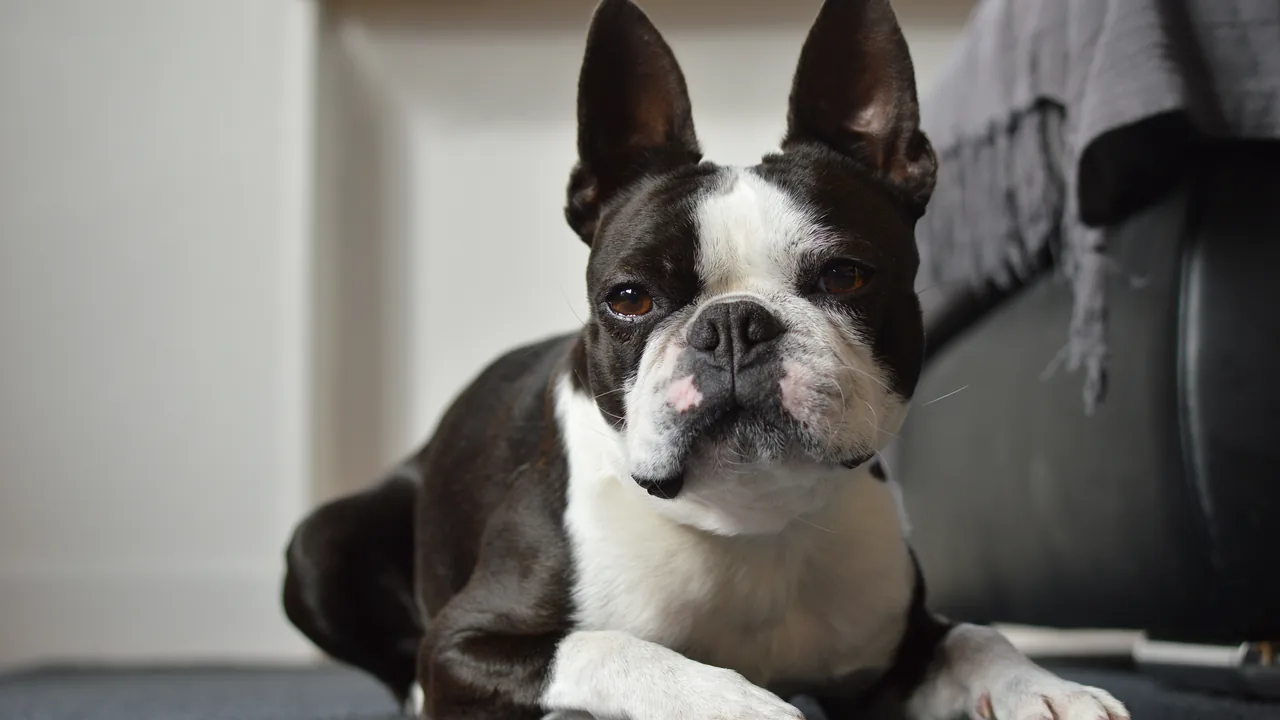
A Miniature Dachshund in Singapore, the short version
The Miniature Dachshund is HDB-approved and suits Singapore condo and HDB living well thanks to its compact size and moderate exercise needs. Its short smooth coat handles the heat better than many small breeds, though walks should be timed before 8am or after 7pm to avoid hot pavement, which is a particular concern given their low ground clearance. IVDD is the most important health issue to manage: avoid stairs, jumping, and rough play. Dental care is essential for this breed. Annual vet costs typically run SGD 600 to 1,000, and grooming is low-maintenance for the smooth-coated variety.
Miniature Dachshund vs...
Deciding between two breeds? See them side by side.
Find Miniature Dachshund-friendly spots in Singapore
Good spots to visit with a Miniature Dachshund in Singapore.
 Find Your Match Meet Miniature Dachshund first “I'm architecturally unusual and deeply unbothered by your opinion on it” Swipe through a dating-profile-style card before you commit. Say hello →
 Breed fit quiz Does a Miniature Dachshund actually suit your life? Answer a few questions about your lifestyle and see how well this breed matches your real setup. Find out →