

DOG BREED GUIDE · CONDO & LANDED HOMES
Last updated First published 31 May 2026
Notice one little habit together →A small idea to try, with progress kept in your Pack.
Also known as Lab, Labrador.
Thinking about adopting a Labrador Retriever?
A Labrador's enthusiasm can brighten an ordinary day. Plan for the individual dog's activity, training and care, and check housing permission before committing.
Can a Labrador Retriever live in an HDB flat?
PotentiallyRetired K-9 scheme exception only
Not on the standard HDB approved-breed list. AVS permits eligible retired sniffer dogs of this breed through the K-9 Scheme under Project ADORE. This does not cover every rescue dog or an ordinary puppy. Confirm the individual dog through the relevant K-9 adoption scheme before committing.
HDB sets and maintains the approved-breed list. Check the current rules at HDB.gov.sg → Check AVS K-9 Scheme eligibility →
Full list of HDB-approved breeds on this site →At a glance
- Size category
- Large
- Weight
- 25 to 36 kg
- Height
- 54 to 62 cm
- Lifespan
- 10 to 12 years
- Energy level
- ●●●●● 5/5 (editorial, unvalidated)
- Shedding
- ●●●●● 5/5 (editorial, unvalidated)
- Heat tolerance
- ●○○○○ 1/5 (editorial, unvalidated)
- Barking
- ●●○○○ 2/5 (editorial, unvalidated)
- Trainability
- ●●●●● 5/5 (editorial, unvalidated)
- Grooming needs
- ●●○○○ 2/5 (editorial, unvalidated)
- Origin
- Canada (Newfoundland, refined into the modern breed in Britain in the late 1800s)
Editorial climate-care note
Dense double coat holds heat. Prone to heat stress on humid afternoons, favour early morning or evening walks.
This score is not a safe temperature or exercise limit. Any dog can develop heatstroke.
Plan activity around your dog, not a timer
A breed score cannot tell you how many minutes are safe today. Avoid hot conditions, watch your dog's breathing, and agree an activity plan with your vet.
Read PDSA's heatstroke guidance →Common health issues in Singapore's climate
Build a care budget
- Year 1
- S$5,746 to S$7,774
- Over 10 years
- S$53,179 to S$71,948
Illustrative planning assumptions for food, grooming and routine vet care, with inflation and a year-one setup uplift. These are not verified provider quotes or a lifespan prediction. Adjust the calculator to current quotes; add insurance, boarding and emergencies separately.
Run the full lifetime cost calculator →A Labrador can make the ordinary parts of a day feel like an invitation: the lead coming off its hook, a familiar visitor, a toy carried over for your attention. That enthusiasm is part of the appeal. Before choosing one, plan for the individual dog's activity, training, health and housing needs.
Personality and temperament
Labradors are often affectionate and keen to learn. Reward-based training gives that energy somewhere useful to go. Working lines may have a particularly strong desire to retrieve and work with you. These are breed tendencies, not promises about a puppy or rescue dog. Meet the individual and ask how they respond to children, visitors, handling and time alone. PDSA's Labrador guidance describes their temperament and care needs.
A breed score is an editorial comparison, not a clinical measurement or a guarantee of behaviour. There is no birthday on which every Labrador becomes calm. Choose routines you can sustain on a working Tuesday, not only on an ideal weekend.
Exercise in Singapore's climate
Plan a mixture of walks, sniffing, play and short training sessions. The amount and intensity need to fit your dog's age, fitness and health; a Labrador with arthritis needs a different plan from a fit adult. Ask your vet for individual advice rather than treating a calculator or fixed daily target as a prescription.
Choose cooler conditions and avoid the hottest part of the day. A clock time alone does not make exercise safe: check the weather, surfaces and your dog's response, and shorten or abandon the outing when needed. Keep shade and drinking water available. A keen dog still needs you to stop the game.
Swimming is optional
Some Labradors enjoy water; others need a gentle introduction or prefer to stay on land. Never force a dog to swim. Supervise throughout, provide an easy exit and check that the venue actually permits dogs. Avoid unsafe currents, stagnant water and suspected blue-green algae. A pool session is not a guarantee against overheating or a substitute for veterinary advice about joint problems. PDSA's water-safety advice explains the main hazards.
If your dog becomes too hot
Heavy or difficult breathing, weakness, confusion or collapse require prompt action. Move into shade or a cool room, begin cooling with cold tap water over the body, keeping it away from the nose and mouth, and call a vet urgently. Use airflow and continue cooling during transport where possible. Do not wrap the dog in a wet towel or force drinking. PDSA's heatstroke first aid gives the full steps. Do not wait to decide which condition caused a collapse before seeking help.
Coat and grooming
The short coat still sheds. PDSA recommends regular weekly brushing; check your dog's skin and coat as you go. Ask a groomer or vet about suitable tools and any skin problem before changing the grooming routine. Persistent scratching, odour or discomfort deserves attention rather than a stronger product chosen at random.
Build handling into ordinary life: a brief, comfortable look at paws and ears is more useful than wrestling with a worried dog only when something is wrong. After swimming, follow your vet's advice on ear care and drying.
Food and everyday routines
Weight management matters for Labradors. Discuss suitable food and portions with your vet, including how training treats fit into the daily allowance. A feeding plan should be reviewed as the dog grows or their activity changes. Health and comfort are better guides than a target based only on breed size.
Make the household plan explicit. Who handles the morning outing? Where can the dog rest undisturbed? Who takes over if you are delayed? Keep the lead, water and clean-up supplies together so a small practical obstacle does not become a missed routine.
Training that helps at home
Useful goals include comfortable lead walking, returning when called, leaving dropped food and settling while people eat or work. Practise in manageable situations and reward progress. The purpose is a dog who understands what to do, not a deadline by which every puppy must have mastered it. Ask a qualified reward-based trainer for help if you are struggling.
Health and screening
The Royal Kennel Club lists hip and elbow assessments, eye screening and DNA tests including exercise-induced collapse (EIC) among the Labrador's recommended health checks. Ask to see the actual results and have your vet explain what they mean for the individual dog. Screening reduces uncertainty about specific inherited conditions; it cannot promise lifelong health. Check the current Royal Kennel Club testing recommendations.
A parent's EIC result does not diagnose a collapsing dog or rule out an emergency. Tell the treating vet about known results and the circumstances, and let them assess the cause. For an adult rescue, request available medical records and discuss any gaps without assuming that appearance establishes health.
Housing in Singapore
Labradors are not on HDB's standard approved small-breed list. There is a specific exception: eligible retired Labrador sniffer dogs can be rehomed through the K-9 Scheme under Project ADORE. This does not make an ordinary Labrador puppy or every rescue Labrador eligible. Confirm the individual dog's eligibility through the relevant scheme before committing. AVS explains the K-9 Scheme and participating units.
For private housing, check the tenancy and management rules as well as current licensing requirements. A large floor plan is not a substitute for permission, companionship or a workable care routine. Start with the actual home and dog rather than assuming all condominiums have the same arrangements.
Care and cost in Singapore
The site's cost figures are planning assumptions, not verified quotes or a prediction of your dog's bills. Use the Labrador cost calculator to explore a budget, then replace assumptions with current food, grooming, veterinary, boarding and insurance quotes. Include the arrangements you actually need, such as weekday care or transport, and room for unexpected expenses.
Compare what each quote includes. If considering insurance, read exclusions, excesses and limits rather than assuming a policy covers an existing condition. A low routine-care estimate should never be read as a ceiling on treatment costs.
Adoption and choosing an individual dog
Explore the adoption directory and each rescue's current listings. Availability changes; this profile does not establish that a named organisation has a Labrador today. Ask about the dog's home experience, behaviour, care needs and the support offered after adoption. An adult's known routine can help you assess a match, but it does not remove uncertainty.
If considering a breeder, ask for identification and the parents' screening documents, and verify the seller's licensing where applicable. A colour description or the phrase “health tested” is not a substitute for records you can review.
From puppy to older companion
As needs change, revisit the routine rather than holding the dog to last year's plan. Puppies need an age-appropriate approach agreed with their vet. Adults need a sustainable balance of activity and rest. Changes in mobility, stamina or behaviour in an older dog deserve a veterinary discussion, not an assumption that nothing can be done.
Three things to remember
- Choose exercise for the dog and current conditions, not a fixed clock rule.
- HDB's standard breed list and the retired K-9 adoption exception are different routes.
- Use health records and individual advice; neither a breed score nor appearance proves health.
Editorial source review: 15 September 2026. This is owner guidance, not a veterinary examination or a claim of veterinary approval.
Annual cost in Singapore
Editable planning estimates, not verified provider quotes or a prediction of your dog's bills. Boarding, one-off equipment and emergencies are additional.
- Food
- S$2,400
- Grooming
- S$600
- Routine vet
- S$2,200
- Sum of the three
- S$5,200/year
Run the lifetime cost calculator →
Get a current insurance quote for your dog's age and circumstances. Compare exclusions, waiting periods, excess and cover limits. Compare policy questions here →
Frequently asked questions
Is a Labrador Retriever HDB-approved in Singapore?
No. The Labrador Retriever is not on the HDB approved-breed list, so under current rules it cannot be kept in an HDB flat. It may still suit private housing. Always check the latest HDB and AVS guidance.
Do Labrador Retrievers bark a lot?
Our current barking assessment is: is fairly quiet (editorial estimate). It has not been independently validated. Ask about this dog's observed behaviour, triggers and time alone; the breed label cannot predict your neighbour's experience.
How much grooming does a Labrador Retriever need?
Our current grooming assessment is: is low-maintenance to groom (editorial estimate). Confirm the individual coat-care routine and any professional grooming with the rescue, groomer or vet. The score is not a measured frequency or price.
How does a Labrador Retriever cope with Singapore's heat?
An editorial heat score cannot establish a safe temperature or walk duration for an individual dog. Activity, humidity, health, age and body shape matter. Avoid hot conditions, provide shade and water, and ask your vet about an appropriate activity plan.
Is a Labrador Retriever a good breed for a first-time owner?
Our household-fit note is: Editorial: may suit. This is not a validated prediction. Assess the individual dog, your daily capacity, training support and known care needs before deciding.
How much does a Labrador Retriever cost to keep in Singapore?
The stored planning assumption is S$5,200 a year for food, grooming and routine veterinary care. It is not a verified typical cost for this breed. Replace it with current quotes and your own usage; add setup, licensing, insurance if chosen, boarding and emergency savings separately.
Other large breeds to consider
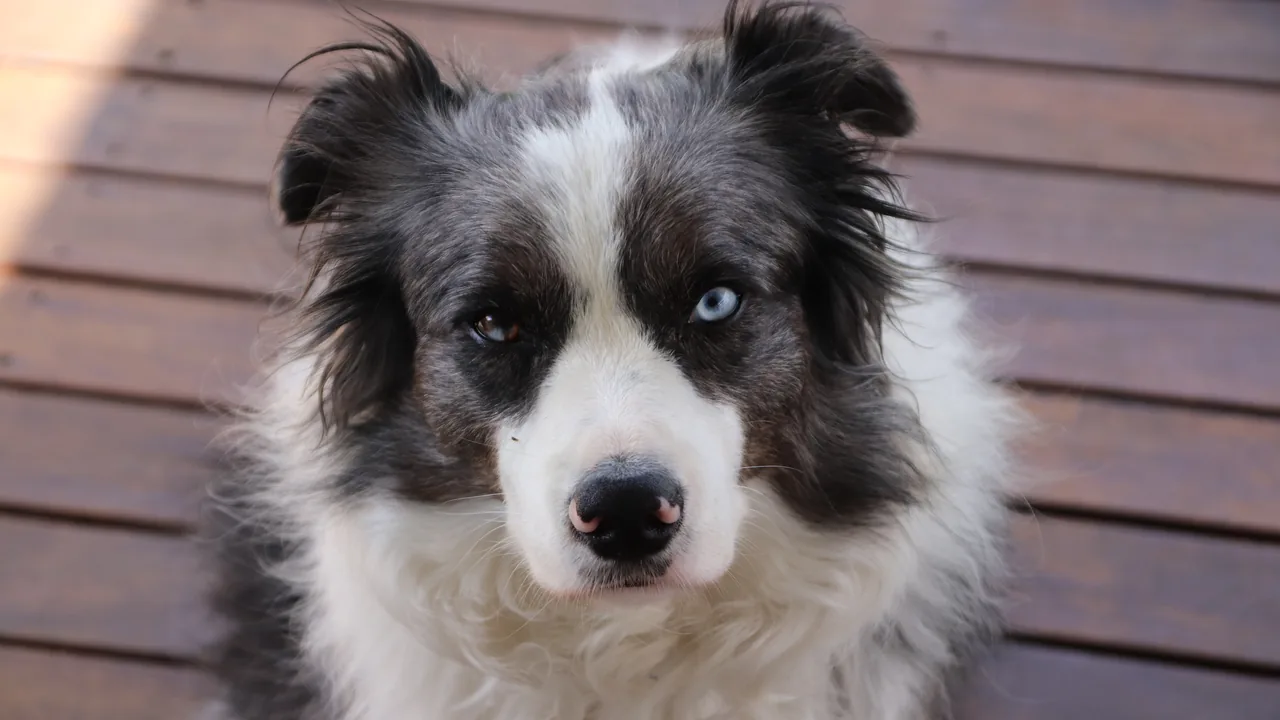


A Labrador Retriever in Singapore, the short version
A Labrador is not on HDB's standard approved small-breed list. Eligible retired Labrador sniffer dogs have a separate route through the K-9 Scheme under Project ADORE; that exception does not apply to every Labrador. Confirm the individual dog's eligibility before adopting. In private housing, check your tenancy and management rules. For everyday life in Singapore, plan activity around cooler conditions and your dog's health, with shade, water and a comfortable place to rest. Swimming is optional, and fixed clock times do not establish that an outing is safe.
Labrador Retriever vs...
Deciding between two breeds? See them side by side.
Find Labrador Retriever-friendly spots in Singapore
High-energy breed, so these outdoor venues give Labrador Retrievers the space they need.
 Breed fit quiz Does a Labrador Retriever actually suit your life? Answer a few questions about your lifestyle and see how well this breed matches your real setup. Find out →