

DOG BREED GUIDE · CONDO & LANDED HOMES
Last updated First published 16 July 2026
Notice one little habit together →A small idea to try, with progress kept in your Pack.
Also known as Australian Labradoodle (multigenerational variant), Labraoodle, Labrador Poodle.
Thinking about adopting a Labradoodle?
The Labradoodle holds an unusual distinction among designer crosses: it was created not as a companion dog experiment but to solve a specific problem, when a blind woman's husband was allergic to the guide dogs available to her in 1988.
Can a Labradoodle live in an HDB flat?
NoNot on the HDB approved-breed list
Not on HDB's approved small-breed list, so it cannot be kept in a flat under the standard rules.
HDB sets and maintains the approved-breed list. Check the current rules at HDB.gov.sg →
Full list of HDB-approved breeds on this site →At a glance
- Size category
- Large
- Weight
- 23 to 35 kg
- Height
- 53 to 63 cm
- Lifespan
- 12 to 14 years
- Energy level
- ●●●●○ 4/5 (editorial, unvalidated)
- Shedding
- ●○○○○ 1/5 (editorial, unvalidated)
- Heat tolerance
- ●●○○○ 2/5 (editorial, unvalidated)
- Barking
- ●●○○○ 2/5 (editorial, unvalidated)
- Trainability
- ●●●●● 5/5 (editorial, unvalidated)
- Grooming needs
- ●●●●○ 4/5 (editorial, unvalidated)
- Origin
- Australia (Royal Guide Dogs Association, 1988 to 1989)
Editorial climate-care note
Heat tolerance rated 2 out of 5. Labrador Retriever ancestry contributes a dense double coat in some lines, which sits poorly in Singapore's 28 to 32 degree Celsius conditions. Coat type varies considerably between litters; fleece or wool coats (higher Poodle content) tend to cope better than hair coats (higher Lab content). Regardless of coat type, restrict exercise to early mornings and evenings and schedule professional grooming to a short clip every six to eight weeks.
This score is not a safe temperature or exercise limit. Any dog can develop heatstroke.
Plan activity around your dog, not a timer
A breed score cannot tell you how many minutes are safe today. Avoid hot conditions, watch your dog's breathing, and agree an activity plan with your vet.
Read PDSA's heatstroke guidance →Common health issues in Singapore's climate
Build a care budget
- Year 1
- S$6,188 to S$8,372
- Over 10 years
- S$57,269 to S$77,482
Illustrative planning assumptions for food, grooming and routine vet care, with inflation and a year-one setup uplift. These are not verified provider quotes or a lifespan prediction. Adjust the calculator to current quotes; add insurance, boarding and emergencies separately.
Run the full lifetime cost calculator →The Labradoodle has a better origin story than most designer crosses, and it is worth knowing because it explains the dog. It was not created to be fashionable. It was created in 1988 to solve one specific problem, a guide dog for a blind woman whose husband reacted to every dog available. Everything the cross was selected for at the start, biddability, a working temperament, a coat that sheds very little, is still what makes it good company today.
What has changed is the market. There is no breed standard, no governing body and no health scheme for a Labradoodle, and in Singapore there is a price tag that suggests otherwise. So this guide covers the dog honestly and then spends real time on the two questions that decide whether you get a good one: what you can actually verify before you buy, and where the dog is allowed to live.
Personality and temperament
Trainability is rated 5 out of 5. Both parents are working gundogs bred to take direction, and the cross inherits a dog that genuinely wants a job and a person to do it with. Barking is rated 2 out of 5, low for the size, which matters more than people expect in dense housing.
It is rated good with children and good with other dogs, and it is beginner-friendly in temperament. The friendliness is not a pose. A Labradoodle greets the world as though it has been expecting you.
Energy is rated 4 out of 5, and that is the number buyers discount. The soft coat and the gentle face disguise two athletic breeds stacked on top of each other. A Labradoodle that does not get enough to do does not sulk, it improvises, and a clever 30 kg dog improvising in a condo is a memorable experience.
Exercise in Singapore's climate
Heat tolerance is rated 2 out of 5, and there is a wrinkle here specific to this cross. Coat type varies considerably between litters and even between siblings. Fleece and wool coats, which come with higher Poodle content, tend to cope better in this climate than hair coats, which come with more Labrador. You do not get to choose after the fact, so ask about the parents' coats before you commit and understand that a hair-coated Labradoodle in Singapore is working harder than a fleece-coated one.
Whichever coat you get, the schedule is the same. An adult needs an hour or more a day, taken before 8am and after 8pm, on grass and shaded park connectors. Singapore runs a daily maximum of 31 to 33 degrees Celsius with average relative humidity around 82% year round (Meteorological Service Singapore), and there is no cool season to relax in.
Swim this dog if you possibly can. Both parent breeds are water breeds, most Labradoodles need no persuading, and swimming is the only way to give a large athletic dog hard exercise in this climate without overheating it. Dry the coat and especially the ears afterwards.
Mental work carries the rest. With 5 out of 5 trainability and a hard ceiling on outdoor exercise, scent games, puzzle feeders and short daily training sessions are not enrichment, they are the substitute for the two hours of running this dog would get in a temperate country.
Coat and grooming in the humidity
Shedding is rated 1 out of 5 and grooming needs 4 out of 5, at about S$1,800 a year. The trade is explicit: you are swapping hair on the sofa for a professional groom every six to eight weeks and real brushing at home in between.
Brush and comb to the skin, several times a week. A fleece or wool coat mats from the base outward, so the dog can look perfectly presentable and be felted underneath, and matting in this humidity holds moisture against skin. Hot spots are on this page's health-issue list and that is how most of them start.
Keep the clip short year round. There is no season here that rewards coat length, and a shorter coat dries faster after swimming and rain, which is the whole game.
On hypoallergenic: the cross exists because of an allergy, so the claim has more history behind it than most, but it still is not a guarantee. Coat type varies, low-shedding is not the same as allergen-free, and if somebody in the household reacts to dogs, spend real time with the specific parents before committing.
Diet and feeding
Food runs about S$2,000 a year at this size. The two priorities are growth and bloat.
Joint mobility leads this page's health-issue list, and a large-breed puppy grown quickly is more likely to have joint trouble later. Use a large-breed puppy formula, follow the guide on the bag rather than the dog's enthusiasm, and keep a growing Labradoodle visibly lean. A nine-month-old that looks slightly gangly is a nine-month-old being raised correctly.
For bloat, the standard deep-chested precautions apply: two or three smaller meals rather than one large one, a slow feeder if the dog inhales its food, and no hard exercise in the hour either side of eating.
Allergies are also on this page's list. Do not rotate foods hopefully at the first itch, because it muddies the picture for your vet. If diet is genuinely suspected, ask about a properly structured elimination trial instead of guessing.
Training
This is an easy dog to train and therefore an easy dog to train badly, because it learns whatever you actually reinforce rather than what you intended.
- Loose-lead walking, settled before six months. A 30 kg dog that pulls is a different animal to live with, and the window where you can fix it comfortably closes while the dog is still light.
- Grooming as a trained behaviour. This coat means a lifetime of combing, clipping and drying. A dog taught from week ten to stand calmly for handling is cheaper, safer and happier at the groomer for thirteen years.
- Alone time, practised deliberately. Build it in minutes, early, before you need it. A dog this sociable that has never rehearsed being alone learns it under stress.
- Whistle recall. Gundog ancestry on both sides makes a genuinely reliable recall achievable, and it is worth the effort.
Health
There is no kennel club health screening scheme for a Labradoodle, because it is not a breed. No governing body publishes recommended tests for it and no Breed Watch category applies. What you can and should demand are the parent breeds' schemes, applied to the two dogs that produced your puppy.
For the Labrador side, the UK Kennel Club recommends hip testing using the BVA/RKC Hip Dysplasia Scheme, elbow testing using the BVA/RKC Elbow Dysplasia Scheme, and eye testing using the BVA/RKC/ISDS Eye Scheme. It also lists DNA tests for centronuclear myopathy (CNM), exercise induced collapse (EIC), macular corneal dystrophy (MCD), progressive retinal atrophy (prcd-PRA), skeletal dysplasia (SD2), Stargardt disease (STGD) and hereditary nasal parakeratosis (HNPK). The Labrador Retriever sits in Breed Watch Category 2, and the Kennel Club notes that the breed can be affected by conformational concerns.
For the Standard Poodle side, the recommendations are hip testing using the BVA/KC Hip Dysplasia Scheme, eye testing using the BVA/KC/ISDS Eye Scheme, and a DNA test for von Willebrand disease (vWD1). The Standard Poodle is in Breed Watch Category 1, where the Kennel Club records no points of concern identified for special attention by judges.
One of those DNA tests deserves singling out in this country. Exercise induced collapse is exactly what it sounds like: an inherited condition in which an affected dog can collapse after intense exercise. In a climate where a large dog is already working near its thermal limit, an owner watching a Labradoodle go down after a hard session has a genuinely frightening diagnostic problem, because heat and EIC look alike in the moment. Knowing the parents' EIC status in advance removes one variable from that emergency. Ask for it by name.
Beyond screening, this page lists joint mobility, eye conditions, ear infections, allergies and hot spots. The ear and skin entries are the day-to-day reality: drop ears, a coat that holds water, and 82% humidity is the standing recipe for recurrent ear infections. Check and dry the ears weekly and after every swim.
Routine veterinary care runs about S$1,800 a year here before anything goes wrong. Insure early, before an ear or skin note exists on a clinical record to be written back as an exclusion. None of this replaces your own vet's assessment of your own dog.
Housing and space in Singapore
The Labrador Retriever is not on HDB's published list of approved breeds for flats. HDB does allow a cross of two breeds that both appear on that list, but the Labrador is not one of them, so a Labradoodle does not qualify for a flat on that basis. This page records the breed as not HDB approved, and that is why.
Realistically that means a condominium that permits the size or landed property. Read the management corporation by-laws before you pay a deposit rather than afterwards, because some cap weight and a Labradoodle reaches 23 to 35 kg.
Ownership limits come from AVS rather than HDB. Under AVS's rules, an HDB flat may keep a maximum of one dog of an approved small breed plus up to two cats, and no dog on the Specified dogs list; private property may keep up to three cats or dogs in combination. Every dog needs an AVS licence. Licence fees depend on sterilisation status, age and the number of pets. One-time and three-year licences are different options. Check the current AVS fee table before paying.
Indoors, give the dog a cool tiled place to lie away from afternoon sun, and think practically about where you are going to dry a large wet curly dog several times a week.
Care and cost in Singapore
On this page's figures: about S$2,000 a year for food, S$1,800 for grooming and S$1,800 for routine veterinary care. Most Labradoodles here arrive through AVS-licensed importers, many from Australia, and the purchase price is only the opening position. The grooming line is the one that catches people, because it is fixed and recurring and does not scale down when the month is tight. Run the ten-year picture with the cost calculator.
Getting a Labradoodle: buying and adoption
Ask for the AVS dog farm licence number, or the AVS import licence where the dog is coming from overseas. Then ask for the parent screening documents named above, by name, and actually read them. Hip and elbow scores, current eye certificates, and the DNA results including EIC. A breeder doing this properly will produce them unprompted. A seller who offers a health guarantee instead of documents has answered the question.
Ask which generation the puppy is and what both parents' coats feel like, since coat type drives shedding, grooming cost and heat tolerance, and it is the least predictable thing about the cross.
Adoption is worth checking properly. Doodles come through SOSD, Causes for Animals and Mercylight. The recurring surrender reasons for this cross are size, grooming cost, and a household move to a flat where the dog cannot legally stay, and all three are foreseeable rather than tragic. An adult also arrives with its coat type, adult size and temperament already visible, which on a cross with this much variation is worth a great deal.
What to skip: any seller who cannot name the parent breeds' screening schemes, and any listing that leads with the word hypoallergenic.
Life stages: puppy to senior
Puppy, to about 12 months. Grow it slowly on a large-breed puppy food and keep it lean while the joints form. Start grooming handling at week ten, before the adult coat comes in. Fix loose-lead walking while the dog is still light enough to manage. Get insurance in force early.
Adolescent, roughly 9 to 18 months. The coat changes texture and suddenly mats in a way the puppy coat did not, so grooming frequency has to go up exactly when owners are tempted to let it slide. Energy peaks here as well, and so does the risk of over-exercising a developing joint in the heat.
Adult, roughly 2 to 9 years. Steady state: the six to eight week groom, weekly ears, weight held, walks in the cool hours, swimming wherever you can get it. Keep training something new occasionally, because this brain does not retire at three.
Senior, from about 10 years. Lifespan here is 12 to 14 years. Move to twice-yearly vet visits. Watch for stiffness rising from the floor and for reluctance on stairs, and put runners down on slippery surfaces. Ears do not improve with age. Older dogs tolerate the heat less well, so shorten the walks and lean on swimming and scent work instead. Keep grooming sessions short and frequent as standing gets harder.
See dog-friendly cafes and parks in your region → | Run the 10-year cost of a Labradoodle in Singapore →
Three things to know
-
No Labradoodle health scheme exists, so demand the parents'
Hip, elbow and eye results for the Labrador side plus the named DNA tests, and hip, eye and von Willebrand for the Standard Poodle side. Ask for exercise induced collapse by name: in this heat, EIC and heatstroke look alike in the moment.
-
It cannot live in an HDB flat
HDB permits a cross of two breeds from its approved list and the Labrador is not on it. Check the condo by-laws for a weight cap before you pay a deposit.
-
Ask what the parents' coats feel like
Fleece and wool coats cope with this climate better than hair coats, and coat type varies between siblings. It sets your grooming bill, your drying routine and how hard the dog works in the heat.
Annual cost in Singapore
Editable planning estimates, not verified provider quotes or a prediction of your dog's bills. Boarding, one-off equipment and emergencies are additional.
- Food
- S$2,000
- Grooming
- S$1,800
- Routine vet
- S$1,800
- Sum of the three
- S$5,600/year
Run the lifetime cost calculator →
Get a current insurance quote for your dog's age and circumstances. Compare exclusions, waiting periods, excess and cover limits. Compare policy questions here →
Frequently asked questions
Is a Labradoodle HDB-approved in Singapore?
No. The Labradoodle is not on the HDB approved-breed list, so under current rules it cannot be kept in an HDB flat. It may still suit private housing. Always check the latest HDB and AVS guidance.
Do Labradoodles bark a lot?
Our current barking assessment is: is fairly quiet (editorial estimate). It has not been independently validated. Ask about this dog's observed behaviour, triggers and time alone; the breed label cannot predict your neighbour's experience.
How much grooming does a Labradoodle need?
Our current grooming assessment is: is high-maintenance to groom (editorial estimate). Confirm the individual coat-care routine and any professional grooming with the rescue, groomer or vet. The score is not a measured frequency or price.
How does a Labradoodle cope with Singapore's heat?
An editorial heat score cannot establish a safe temperature or walk duration for an individual dog. Activity, humidity, health, age and body shape matter. Avoid hot conditions, provide shade and water, and ask your vet about an appropriate activity plan.
Is a Labradoodle a good breed for a first-time owner?
Our household-fit note is: Editorial: may suit. This is not a validated prediction. Assess the individual dog, your daily capacity, training support and known care needs before deciding.
How much does a Labradoodle cost to keep in Singapore?
The stored planning assumption is S$5,600 a year for food, grooming and routine veterinary care. It is not a verified typical cost for this breed. Replace it with current quotes and your own usage; add setup, licensing, insurance if chosen, boarding and emergency savings separately.
Other large breeds to consider
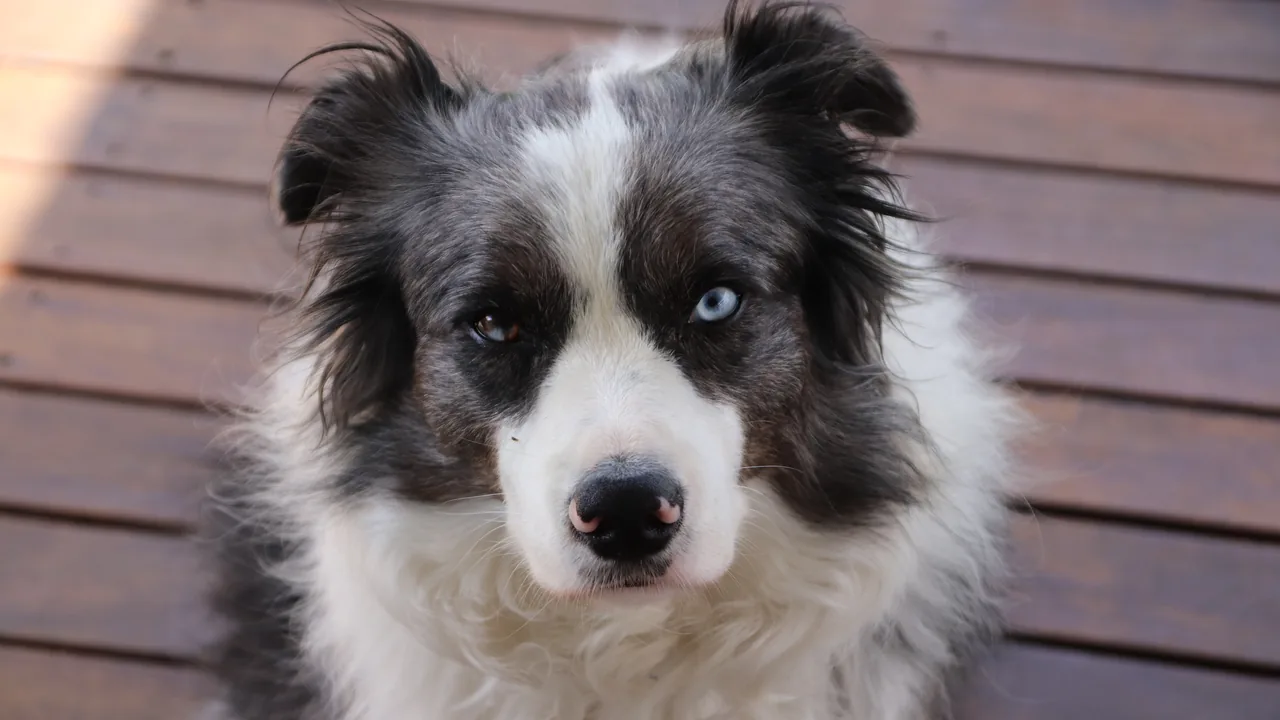

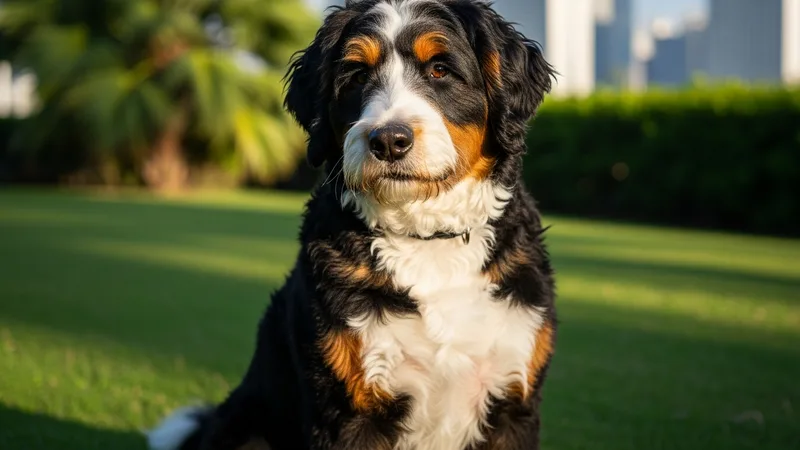
A Labradoodle in Singapore, the short version
Labradoodles are well established in Singapore, particularly in condo and landed housing. Most arrive through AVS-licensed importers from Australia, the primary breeding country for multigenerational Australian Labradoodles, with prices ranging SGD 6,000 to 14,000. The breed is generally too large for HDB flats and does not sit on HDB's approved schedule, though compact individuals occasionally fall in ambiguous territory, so confirm directly with HDB before committing. Heat tolerance rates 2 out of 5; a short clip every six to eight weeks plus morning or evening walks only are essential regardless of coat type. Local vets commonly flag joint mobility, ear infections, and allergy-related hot spots. Rescue placements are rare; licensed importers remain the usual route.
Find Labradoodle-friendly spots in Singapore
High-energy breed, so these outdoor venues give Labradoodles the space they need.
 Breed fit quiz Does a Labradoodle actually suit your life? Answer a few questions about your lifestyle and see how well this breed matches your real setup. Find out →