
Dog dental vets in Singapore
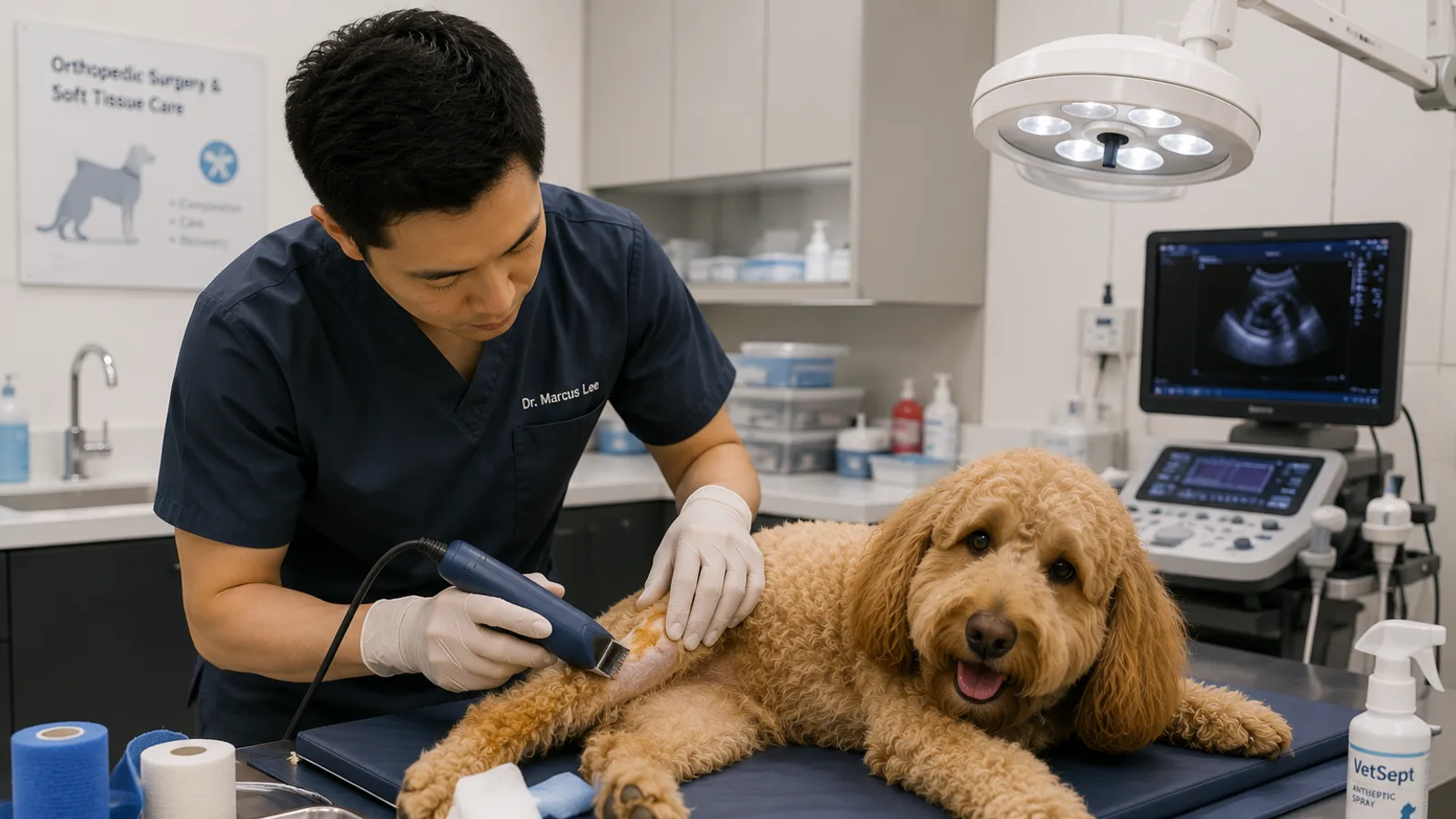
Dental disease is the most common health problem vets see in dogs, and the most quietly damaging, because the early stages hide behind a wagging tail. By the time the breath turns sour or a dog goes off hard food, the problem is usually well advanced under the gumline. The clinics listed here offer dog dental services: a proper scale and polish under anaesthesia, extractions when teeth are too far gone, and dental x-rays to see what the eye cannot. This is not the same as a groomer brushing teeth or a treat that claims to clean. It is veterinary dentistry, done with the dog asleep so the work is thorough and pain-free. Use this page to find a clinic that takes teeth seriously, and read on for what a good dental does and why anaesthesia is the safer choice, not the riskier one.
- 41 clinics listed
- 39 neighbourhoods
- 1 24-hour
- 1 accident and emergency
- 4.3 average Google rating
What good dog dental care looks like
The single most important thing is that the procedure is done under general anaesthesia. So-called anaesthesia-free dental cleaning only scrapes the visible surface, misses everything below the gumline where disease actually lives, and stresses the dog for a cosmetic result. A real veterinary dental cleans below the gum, probes each tooth, and treats what it finds. A clinic that offers proper dentals will explain exactly this.
Look for dental x-rays. A large share of dental disease is invisible above the gumline, and without radiographs a vet is working blind on the part of the tooth that matters most. Clinics that have invested in dental imaging can find the abscess, the resorptive lesion, or the retained root that explains why your dog has been off its food, and address it in one visit rather than discovering it later.
Finally, weigh the anaesthetic care, because that is where the real safety lies. A good clinic runs pre-anaesthetic bloods, especially for older dogs, places an intravenous line, monitors through the procedure, and tailors the protocol to your dog. The Singapore Veterinary Association reflects the standards registered practices work to. Ask how your dog is monitored while asleep; a thorough answer is the reassurance you are looking for.
Dental vets

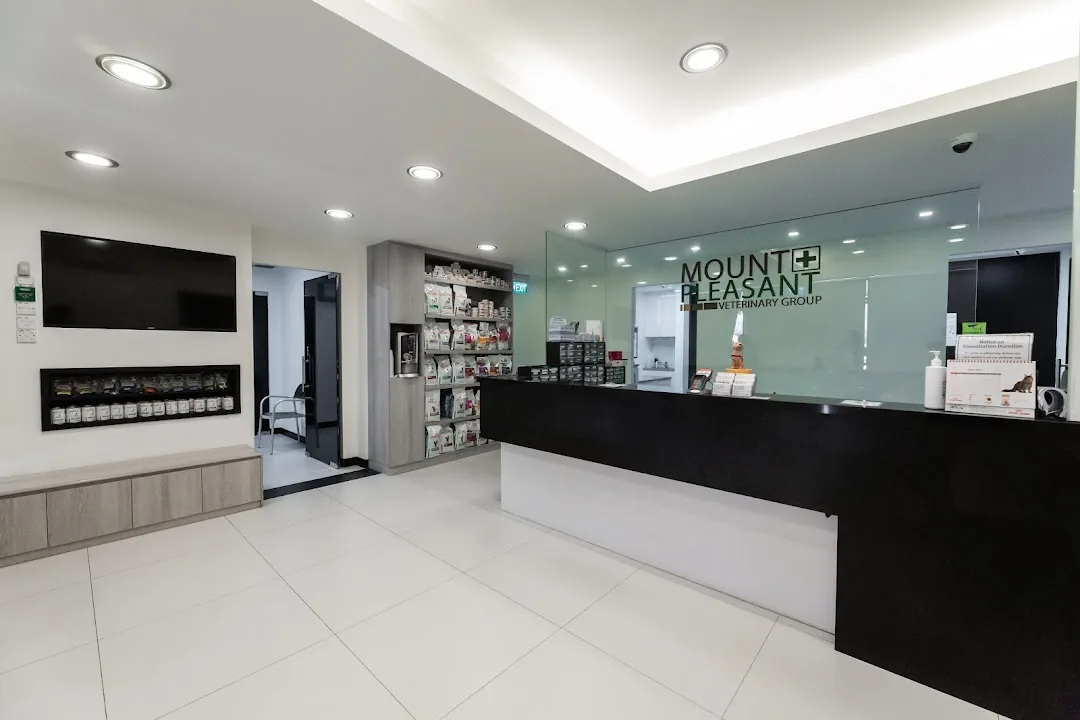


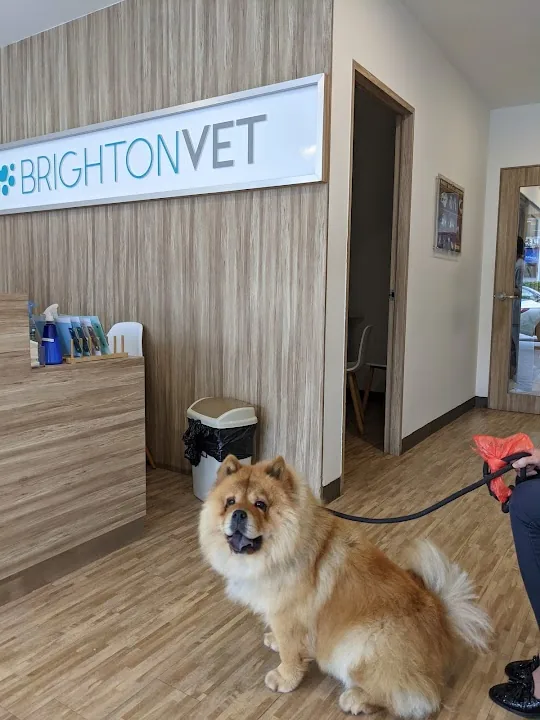
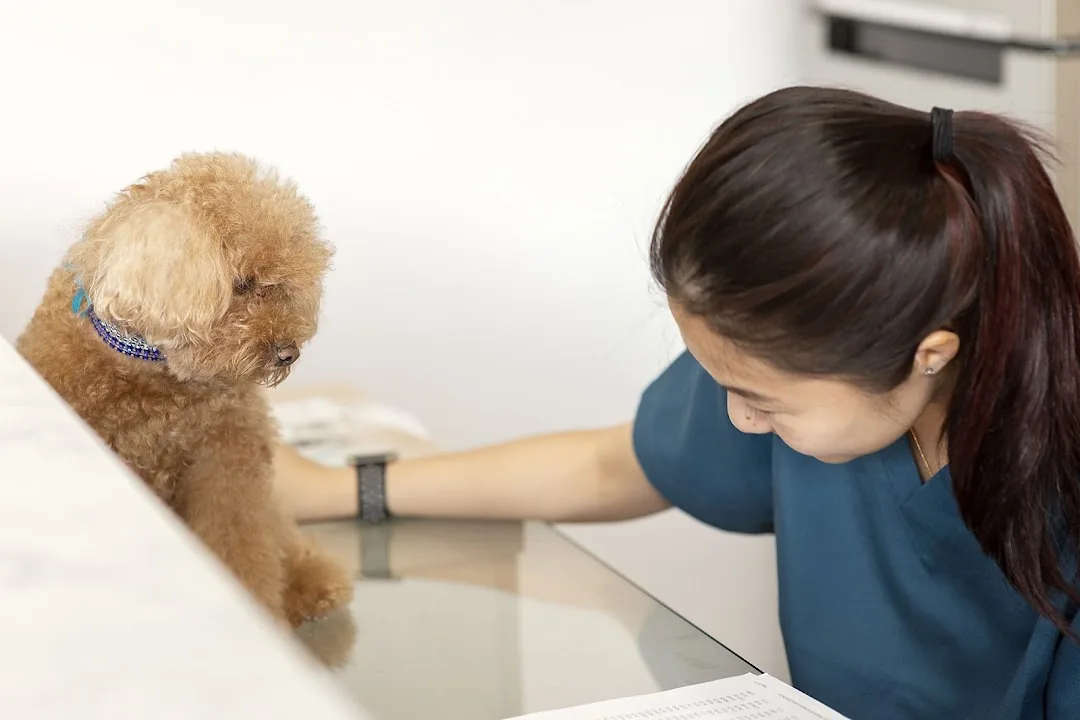
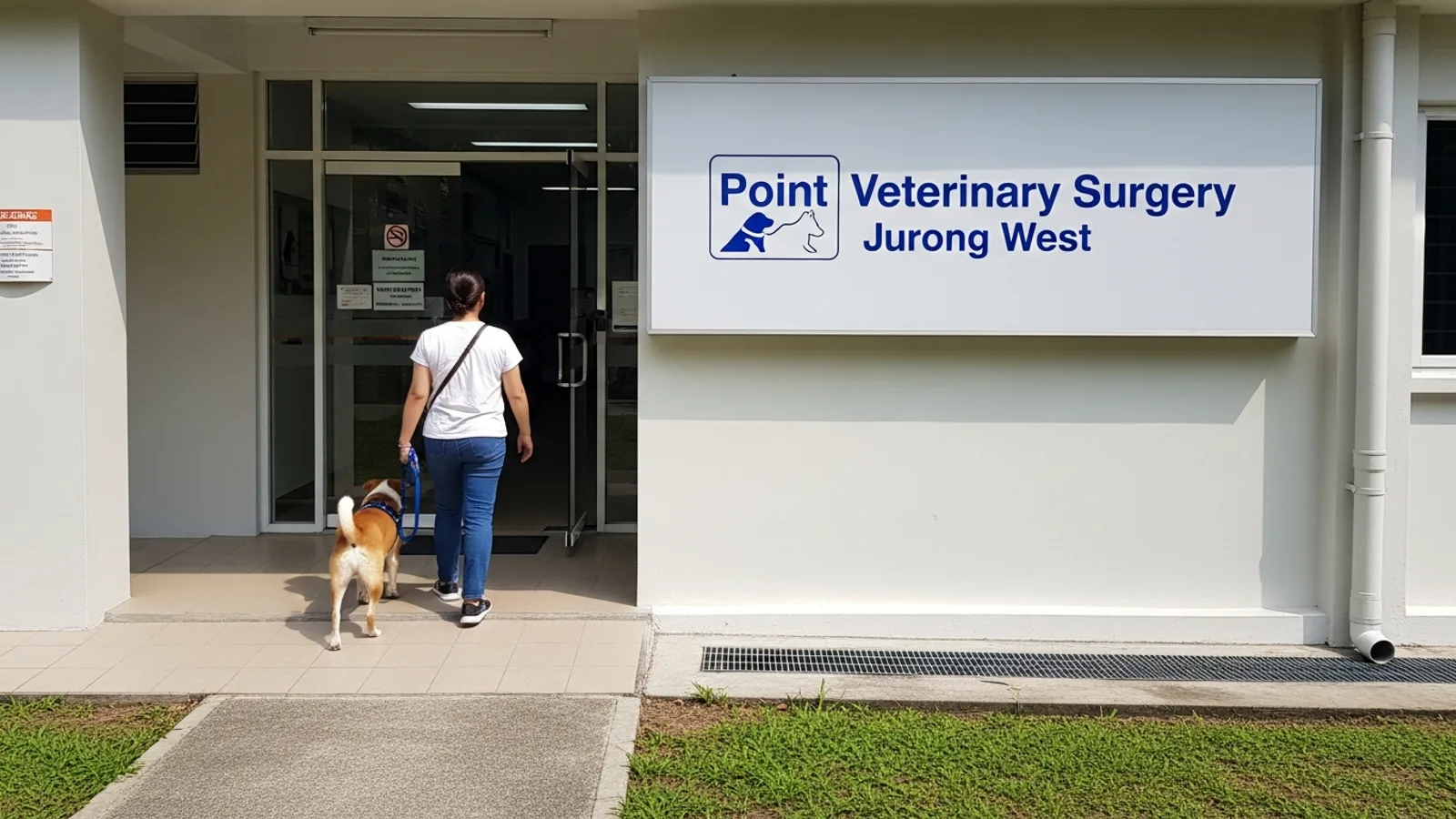
Paws N' Claws Veterinary Surgery (Sin Ming / Upper Thomson)
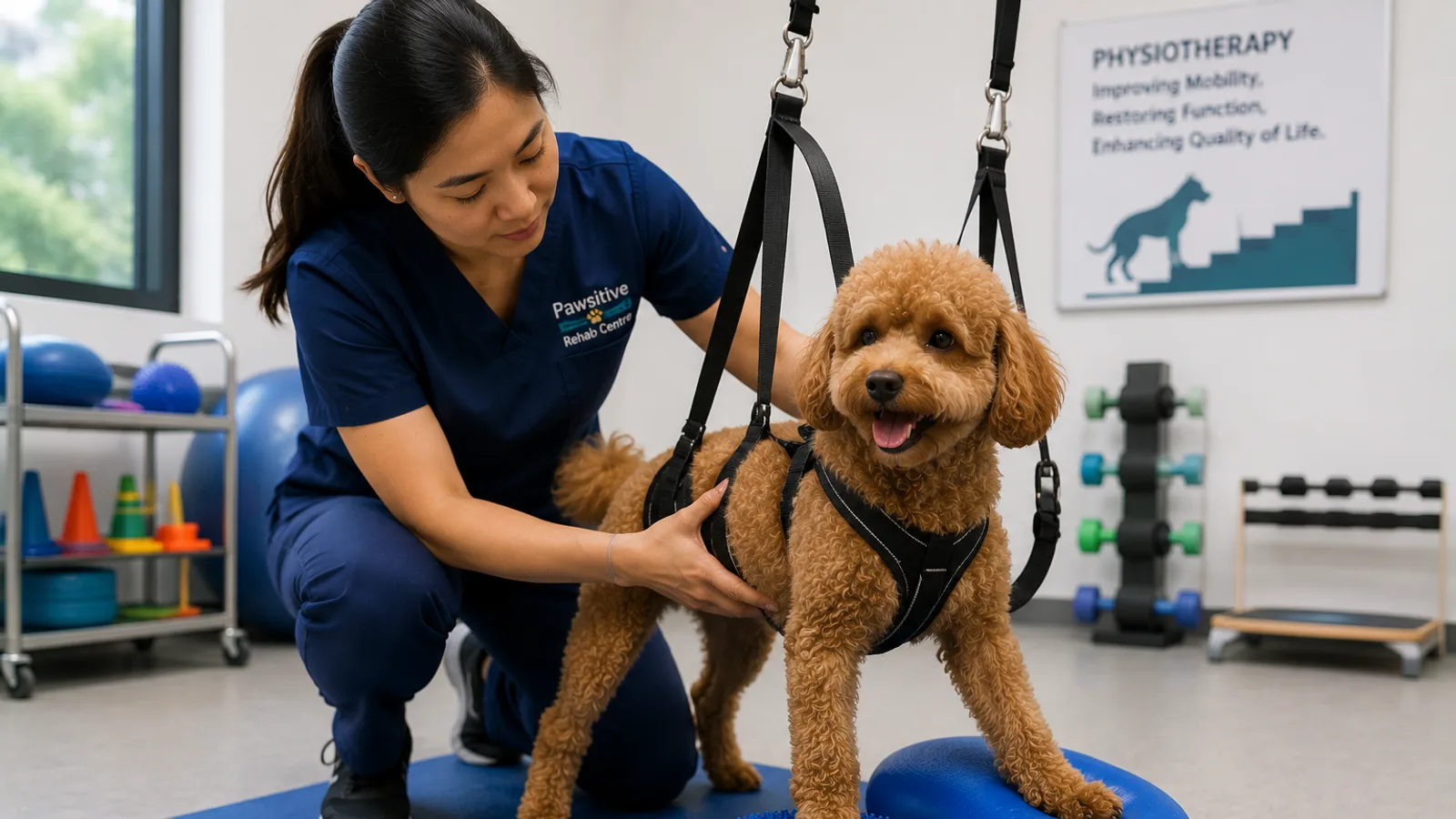

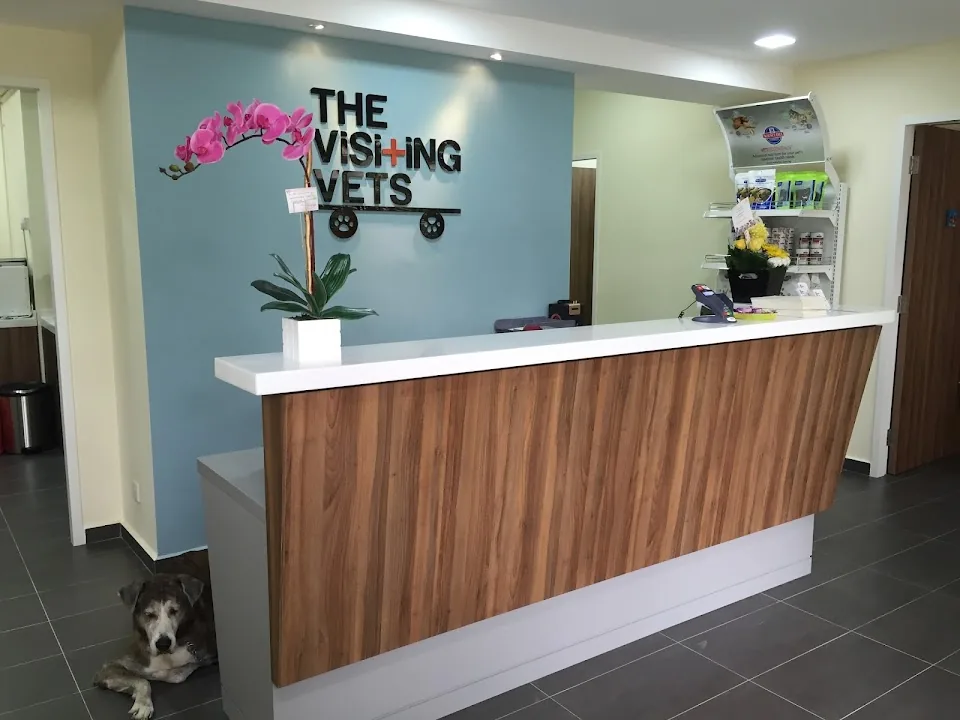
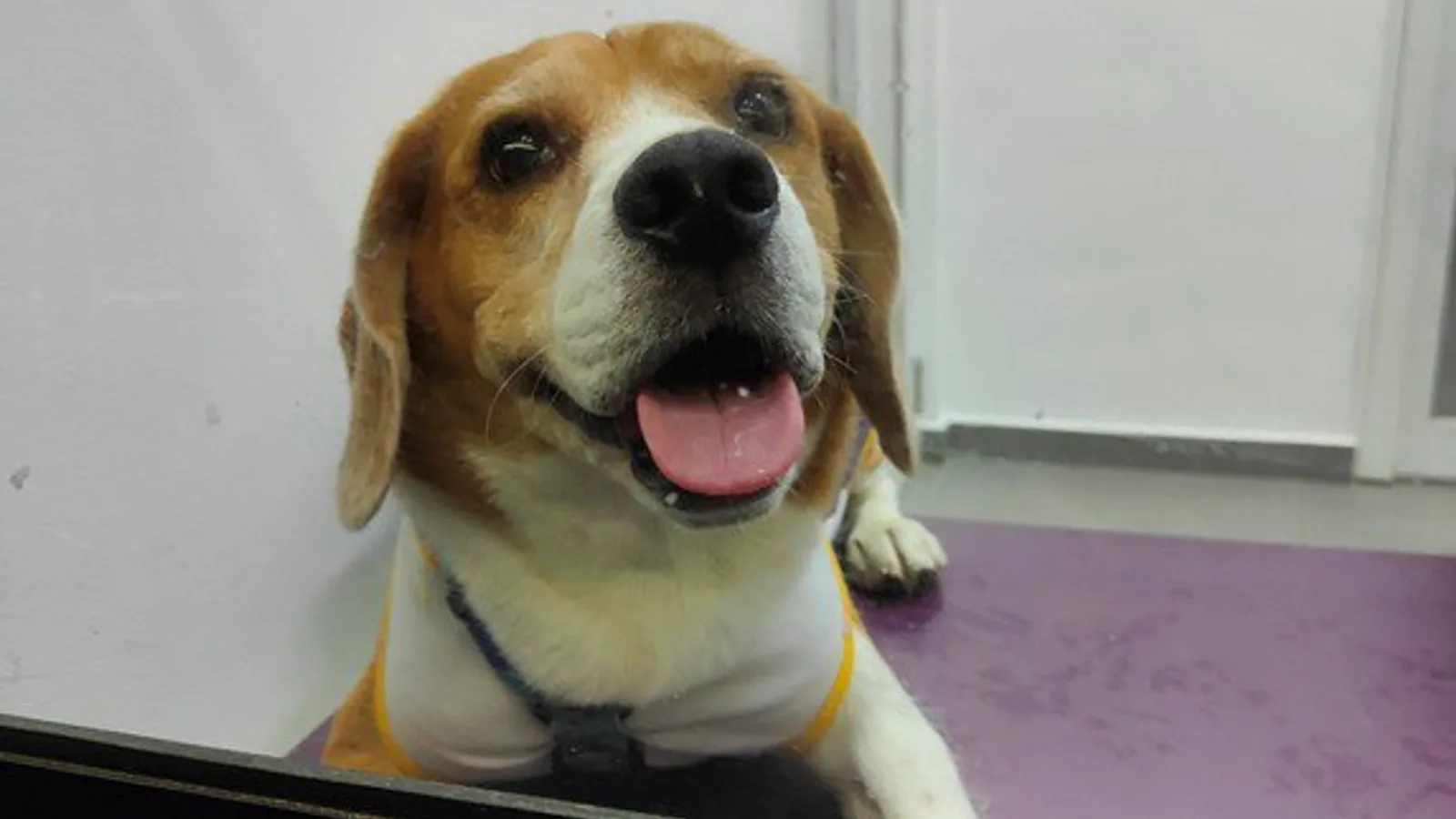
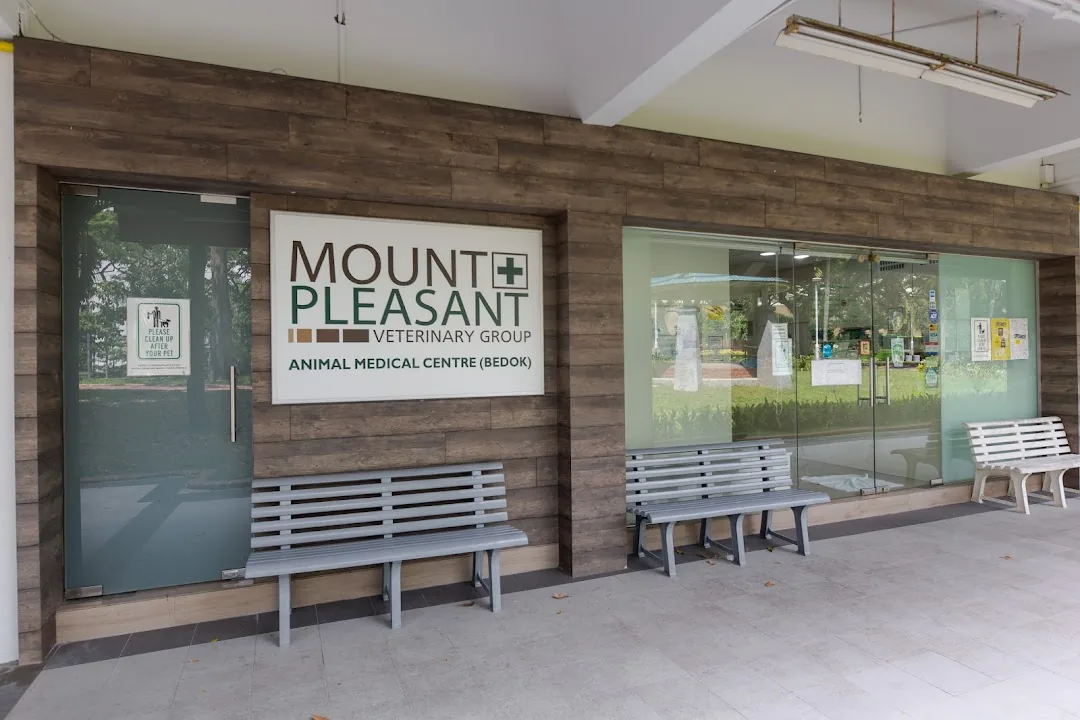
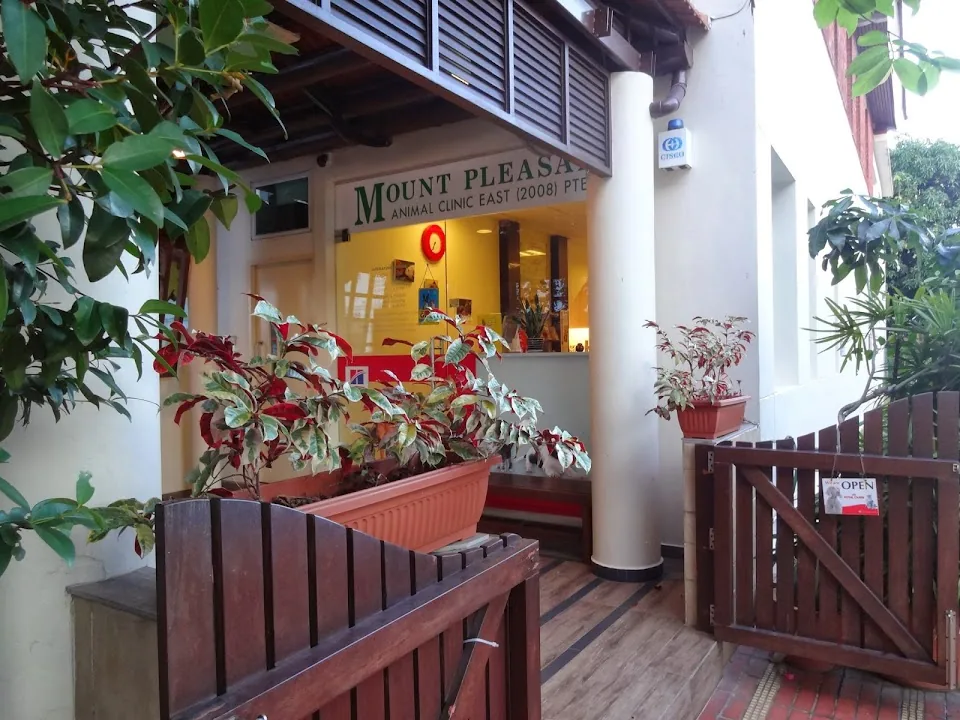
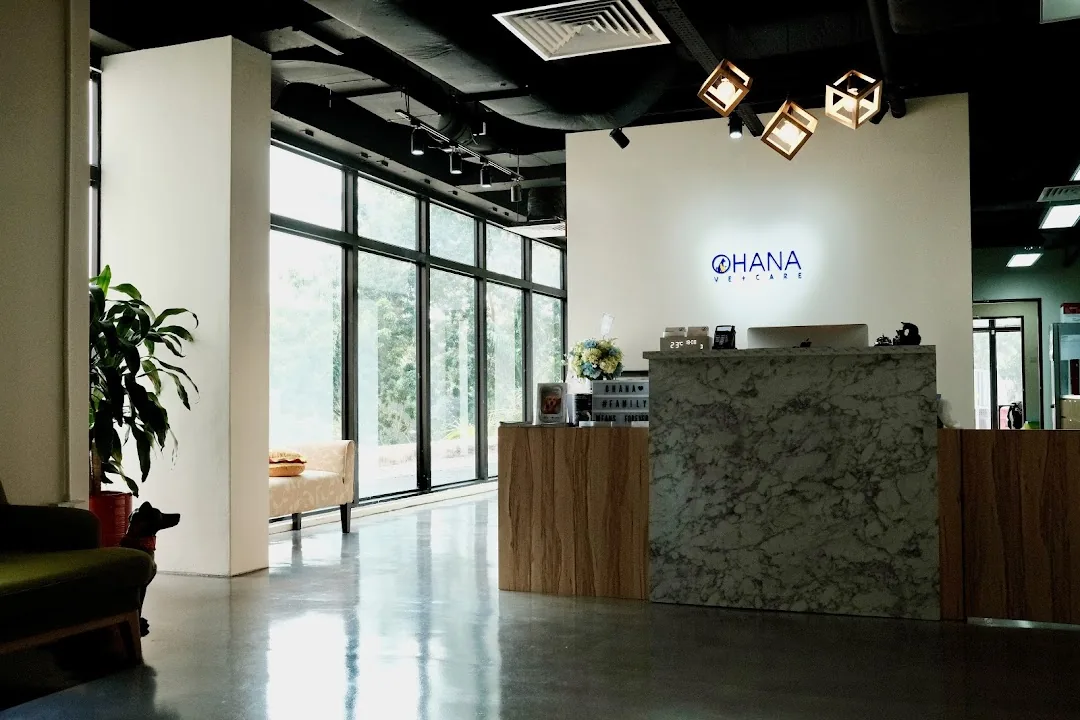
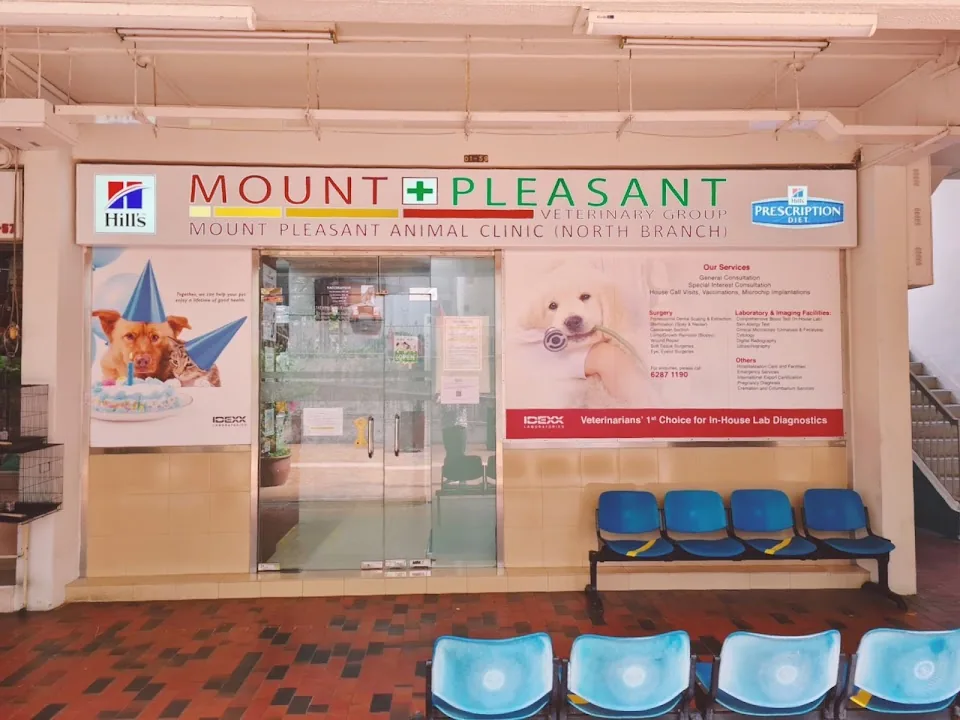
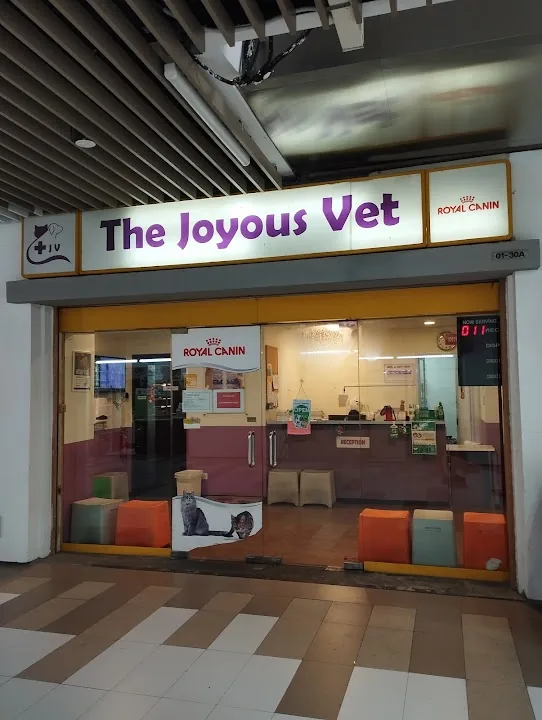
Mount Pleasant Animal Clinic (North) - Serangoon North


Things to know about dog dentals in Singapore
Cost is the question most owners have, and it is fair: a full dental with x-rays and extractions is not cheap, often running into several hundred dollars and sometimes more when many teeth need to come out. The reason is the anaesthesia, the imaging, and the time a careful job takes. It is also why prevention pays. Daily tooth brushing, started young and kept up, genuinely slows the disease and stretches the gap between professional cleans.
Small breeds and brachycephalic dogs deserve extra attention. Toy breeds crowd their teeth and accumulate tartar fast, and flat-faced dogs have crooked bites that trap food, so both tend to need dentals earlier and more often. If you have one of these dogs, do not wait for symptoms; ask your vet to check the mouth at every visit and plan the first dental before disease sets in.
Watch for the signs that a dental is overdue: bad breath, yellow-brown tartar, red or bleeding gums, dropping food, chewing on one side, or pawing at the mouth. None of these are normal, and all of them are reversible if caught early. If your dog shows any of them, book a dental assessment. A clean mouth is not vanity; dental disease feeds bacteria into the bloodstream and is linked to heart and kidney problems over a dog's life.
Frequently asked questions
How much does a dog dental cost in Singapore?
A professional dental under anaesthesia typically starts at a few hundred dollars and rises with the number of extractions and whether dental x-rays are taken. Pre-anaesthetic bloodwork adds to it. It varies by clinic, so ask for an estimate after the vet has examined your dog's mouth.
Is anaesthesia-free dental cleaning safe for dogs?
It is not a substitute for a real dental. Anaesthesia-free cleaning only scrapes visible surfaces, misses the disease below the gumline where it matters, and stresses the dog for a cosmetic result. Veterinary dentists across the board recommend proper cleaning under anaesthesia, which is thorough and pain-free.
Why does my dog need to be under anaesthesia for a dental?
Anaesthesia lets the vet clean below the gumline, probe and x-ray each tooth, and extract painful ones without the dog struggling or hurting. It also protects the airway from inhaling debris. With modern monitoring and pre-anaesthetic bloods, the risk is low and far outweighed by the benefit of a thorough, pain-free clean.
How often should a dog have a dental cleaning?
It depends on the dog. Many need a professional dental every one to three years, but small breeds and flat-faced dogs often need them sooner and more often. Daily tooth brushing at home stretches the interval. Your vet will advise a schedule based on what the mouth looks like at each check.
What are the signs my dog needs a dental?
Bad breath, yellow-brown tartar, red or bleeding gums, dropping food or chewing on one side, and pawing at the mouth all point to dental disease. None are normal. If you see any of them, book a dental assessment; the earlier it is caught, the less needs to be removed.
Can I prevent dental disease at home?
Largely, yes. Daily brushing with dog toothpaste is the single most effective thing, especially started young. Dental diets and vet-approved chews help as supporting measures, but they do not replace brushing or professional cleaning. Prevention slows the disease and reduces how often and how extensively your dog needs work done.
Are dental x-rays really necessary?
They are how a vet sees the part of the tooth below the gum, where much of the disease hides. Without them, abscesses, resorptive lesions and retained roots can be missed entirely. A clinic that takes dental x-rays can find and fix these in one visit, which is why imaging is worth choosing.