- POV
Every new owner rushes to teach sit, because it is quick and it photographs well. It is a fine trick, but it is a strange place to start, because it teaches nothing about the one thing that makes every other lesson possible.
By the numbers
- Attention the check-in is the foundation behaviour, taught before sit or stay
- Mark and reward the whole method: catch the voluntary glance, then pay for it
- Reward-based the training standard endorsed by veterinary behaviour bodies
- 0 punishment for looking away, which only teaches unpredictability
- Below threshold train under the distraction level your dog can still handle
Every new owner rushes to teach sit. It is quick, it photographs well, and it feels like progress on day one. But a dog that sits on command and then ignores you the moment a cyclist rolls past has learned a party trick, not a working relationship. The foundation that everything else is built on is attention: your dog choosing, without being asked, to check in with you on a walk, in a park, or when something interesting happens.
What should you actually teach a dog first?
Teach the check-in. In plain terms, that means rewarding your dog for the moment it looks back at you of its own accord. It sounds almost too simple, but voluntary attention is the single most useful behaviour a dog can offer, because it is the gateway to every command that follows. A dog that naturally orients to you is a dog you can call off a squirrel, walk past another dog, or settle under a cafe table. None of that works if the dog has learned commands but not the underlying habit of paying attention to you in the first place.
Why is sit the wrong place to start?
Sit is not harmful, and you will teach it soon enough. The problem is that it is a narrow, static behaviour, useful in a calm kitchen and largely irrelevant the moment the world gets interesting. New owners drill sit, get a reliable kitchen sit, and then feel blindsided when the same dog cannot hear them across a park. The gap is not obedience; it is engagement. Start with the trick and you build a dog that performs when nothing is competing for its focus. Start with attention and you build a dog that stays connected to you precisely when it matters.
How do you build a check-in?
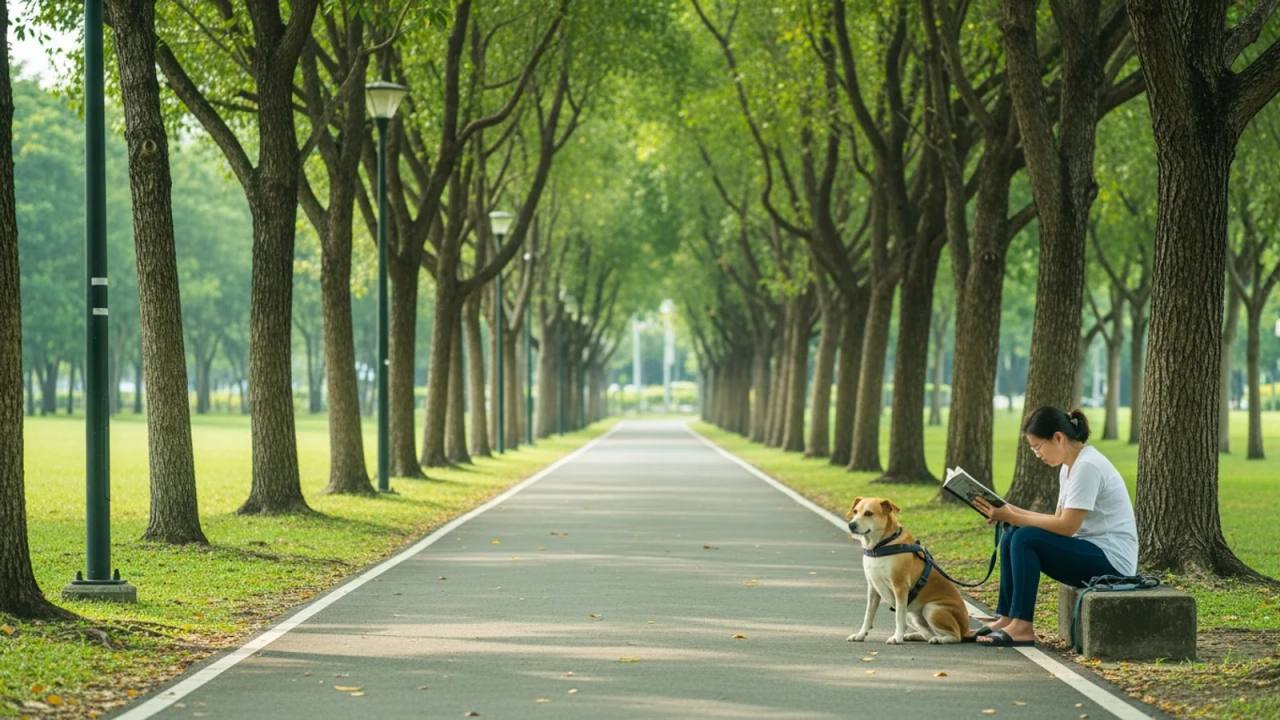
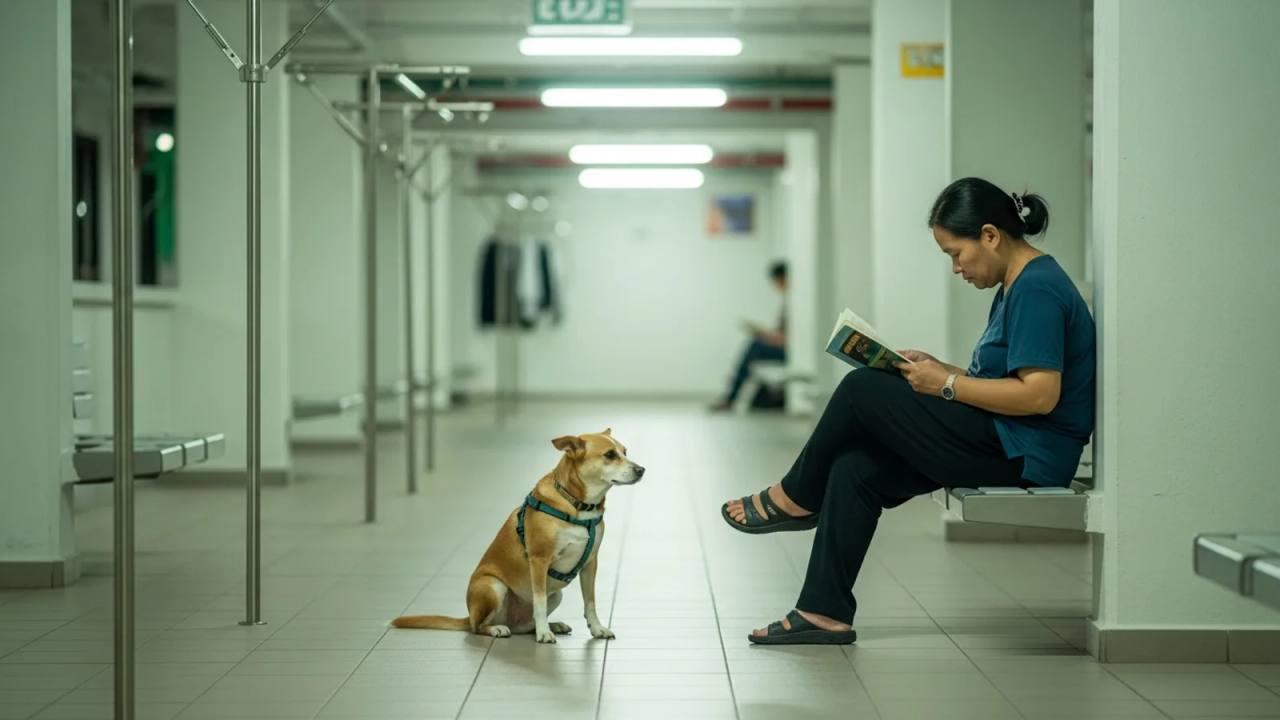
You build it with almost nothing but timing and consistency. On every walk, watch for the instant your dog glances up at you when there is mild distraction around, then mark it, a cheerful "yes" or a clicker, and reward with a small treat. At first you may be rewarding one glance in a hundred; within a couple of weeks your dog is offering them constantly, because you have made checking in the most rewarding thing on the walk. Keep sessions short and upbeat, work below the level of distraction your dog can handle, and never punish a dog for looking away, since that teaches it that you are unpredictable. This reward-based approach is what the American Veterinary Society of Animal Behavior recommends as the standard for training, precisely because it builds willing engagement rather than fear. Two things make or break it. First, pay well early on: use food your dog genuinely loves, not dry kibble, so the glance back is worth its while. Second, catch the behaviour in real life, not just in set training sessions, because a check-in rewarded on a busy pavement is worth ten in your living room.
How does attention make everything else easier?
Once the check-in is solid, the rest of training stops feeling like a fight. Recall is just attention at distance, so a dog that already looks to you will turn on its name. Loose-lead walking is attention while moving, so a connected dog stops dragging you towards every lamp post. Calm in a cafe is attention instead of scanning the room. Even settling an over-aroused dog leans on the same skill. Sit, down and stay then take an afternoon each, because you are adding tricks to a dog that is already listening. This is why experienced trainers seem to teach commands so quickly: they are rarely starting from scratch, they are cashing in on a dog that has already learned to look to its handler. Owners who struggle for months with an unresponsive dog are almost always missing this one foundation, not the commands themselves.
When should you get help from a trainer?
Most owners can build a check-in themselves with a bag of treats and a fortnight of consistency. But if your dog is fearful, reactive, or so over-aroused that it cannot take food outdoors, that is worth professional help early rather than late. Look for a reward-based trainer, the kind endorsed by bodies like the Association of Professional Dog Trainers and the American Kennel Club, and steer clear of anyone selling quick fixes through fear or force. Our Singapore trainer directory lists positive-reinforcement trainers to start with, and a few sessions early on can save months of frustration for both of you. Whatever route you take, keep the check-in going, because it is the habit that quietly underwrites everything else you will ever teach your dog.
Recall is attention at distance. Loose-lead walking is attention while moving. Cafe calm is attention instead of scanning the room.
Common questions
- What should I teach my dog first?
- Teach voluntary attention, the check-in, before formal commands. Reward your dog for choosing to look at you during walks. It is the foundation that makes recall, loose-lead walking and calm in public far easier to teach afterwards.
- Why is teaching sit first not ideal?
- Sit is a narrow, static behaviour that works in calm settings but falls apart when the world gets interesting. A dog can have a perfect kitchen sit and still ignore you in a park, because the missing piece is engagement, not obedience.
- How do I build a check-in with my dog?
- On every walk, mark and reward the moment your dog looks at you unprompted, using a cheerful "yes" or a clicker and a small treat. Work below your dog's distraction threshold, keep sessions short, and within a couple of weeks the glances become constant.
- How long does it take to see results?
- Many dogs start offering frequent check-ins within about two weeks of consistent daily practice. It is a habit rather than a command, so the more reliably you reward it in real settings, the faster and stronger it becomes.
- Should I punish my dog for not paying attention?
- No. Punishing a dog for looking away teaches it that you are unpredictable and can increase anxiety. Reward-based methods, endorsed by veterinary behaviour bodies, build willing engagement, which is exactly what you want the check-in to be.
- When should I see a professional trainer?
- Get help early if your dog is fearful, reactive, or too over-aroused to take food outdoors, rather than waiting for problems to set in. Choose a reward-based trainer and avoid anyone promising quick results through fear or force.
Sources
- American Kennel Clubakc.org
- Attention: the check-in is the foundation behaviour, taught before sit or stay
- American Kennel Clubakc.org
- Mark and reward: the whole method: catch the voluntary glance, then pay for it
- AVSABavsab.org
- Reward-based: the training standard endorsed by veterinary behaviour bodies
- AVSAB Position Statementhsmo.org
- 0: punishment for looking away, which only teaches unpredictability
- VCA Animal Hospitalsvcahospitals.com
- Below threshold: train under the distraction level your dog can still handle
How we verify content Fact-checking policy How we stay free