

DOG BREED GUIDE · PROJECT ADORE ROUTE
Last updated First published 31 May 2026
Notice one little habit together →A small idea to try, with progress kept in your Pack.
Also known as SG Special, Singapore Street Dog (older term), Local Mixed Breed.
Thinking about adopting a Singapore Special?
One ear up, one ear down: the Singapore Special has honed asymmetric listening to an art form, perfect for catching whispered secrets in both corridors and parks.
Can a Singapore Special live in an HDB flat?
PotentiallyOnly via Project ADORE, subject to its conditions
Not on HDB's approved small-breed list. A local mixed-breed dog may still be permitted in a flat through Project ADORE, which is a separate route with its own conditions and runs through approved rescue partners. Being mixed-breed does not by itself make a dog eligible, and a cross involving a breed that is not on the list does not qualify however small or well behaved the dog is. Ask the shelter or rescue directly whether the specific dog is eligible.
HDB sets and maintains the approved-breed list. Check the current rules at HDB.gov.sg →
Full list of HDB-approved breeds on this site →At a glance
- Size category
- Medium
- Weight
- 8 to 15 kg
- Height
- 35 to 50 cm
- Lifespan
- 12 to 16 years
- Energy level
- ●●●●○ 4/5 (editorial, unvalidated)
- Shedding
- ●●○○○ 2/5 (editorial, unvalidated)
- Heat tolerance
- ●●●●● 5/5 (editorial, unvalidated)
- Barking
- ●●○○○ 2/5 (editorial, unvalidated)
- Trainability
- ●●●●○ 4/5 (editorial, unvalidated)
- Grooming needs
- ●○○○○ 1/5 (editorial, unvalidated)
- Origin
- Singapore
Editorial climate-care note
Bred for the tropics, copes with SG heat better than most breeds. Still needs water and shade on longer midday walks.
This score is not a safe temperature or exercise limit. Any dog can develop heatstroke.
Plan activity around your dog, not a timer
A breed score cannot tell you how many minutes are safe today. Avoid hot conditions, watch your dog's breathing, and agree an activity plan with your vet.
Read PDSA's heatstroke guidance →Common health issues in Singapore's climate
Build a care budget
- Year 1
- S$2,431 to S$3,289
- Over 10 years
- S$22,499 to S$30,439
Illustrative planning assumptions for food, grooming and routine vet care, with inflation and a year-one setup uplift. These are not verified provider quotes or a lifespan prediction. Adjust the calculator to current quotes; add insurance, boarding and emergencies separately.
Run the full lifetime cost calculator →The Singapore Special is the dog that was already here. Generations of local mixed-breed dogs shaped by this climate and these streets, long before any kennel club arrived to write anything down. This page rates its heat tolerance 5 out of 5, the only breed on this site to score full marks, and that is not a coincidence. It is the only dog here that was not shipped in from somewhere colder.
It is also the breed whose housing question is most often answered wrongly, in both directions, so this guide deals with that first and properly.
Can a Singapore Special live in an HDB flat?
Potentially, and not through the route most people assume. There are two separate ways a dog is permitted in a flat and they are not interchangeable.
The standard route is HDB's approved list, which names 61 breeds plus a cross of any two of them. A Singapore Special is not on it, and it does not qualify as a cross unless both its parent breeds happen to be listed, which for a dog of local street lineage is not something anyone can demonstrate.
The route that exists for this dog is Project ADORE, a separate scheme for eligible local mixed-breed dogs. HDB states that "through Project ADORE, you will be allowed to own a local mixed-breed dog, also known as Singapore Special, up to 55cm in height in HDB flats. Only 1 dog is allowed in each residential unit." The 55cm is a shoulder-height ceiling belonging to that scheme. It is not a general size test for dogs in flats, and you will still see it quoted as though it were.
Three things follow, and they matter because getting them wrong is expensive:
- Being mixed-breed does not by itself make a dog eligible. The scheme is for local mixed-breed dogs and carries its own conditions.
- Eligibility runs through approved rescue partners. HDB names them: Action for Singapore Dogs, Causes for Animals (Singapore), Exclusively Mongrels, MercyLight Singapore, SOSD Singapore, and the Society for the Prevention of Cruelty to Animals. Going through a partner is the mechanism, not an optional extra.
- Ask the rescue about the specific dog. This is the single most useful sentence on this page. They handle ADORE regularly, they know whether this particular animal qualifies, and they will tell you plainly.
This page's own record shows the breed as eligible through ADORE rather than approved by breed list, which is the honest description of the position.
Personality and temperament
Trainability is rated 4 out of 5 and beginner friendliness is high, which surprises people who expect a street dog to be difficult. It is rated good with children and good with other dogs. Barking is rated 2 out of 5, low, which matters a great deal in a block of flats.
Energy is rated 4 out of 5. These are working-shaped dogs, not lapdogs, and a Singapore Special with nothing to do will find something.
The honest caveat is on this page's health-issue list rather than in the temperament ratings: anxiety and stress. Many of these dogs come from rescue backgrounds with unknown early histories, and some arrive wary of strangers, traffic, brooms, motorbikes or men in helmets, depending on what they met before you. That is history rather than character, it usually improves markedly with time and routine, and it is the thing a good rescue will describe to you honestly before you commit.
Size and temperament vary far more than in a standardised breed. Meeting the individual dog tells you more than any page can.
Exercise in Singapore's climate
Heat tolerance rated 5 out of 5 is the headline and it is earned. These dogs descend from animals that lived outdoors here through generations of selection by the climate itself, and it shows in the short single coat, the lean frame and the sheer absence of struggle on a warm evening.
You still walk sensibly. Singapore runs a daily maximum of 31 to 33 degrees Celsius with average relative humidity around 82% year round (Meteorological Service Singapore), and no dog should be worked hard at midday. But the margin is real: a Singapore Special will usually cope with a later morning start and a longer outing than a double-coated pedigree of the same size, and it recovers faster.
At 4 out of 5 energy, plan for a solid hour a day split into two, plus proper sniffing time. Let the dog use its nose rather than route-marching it. Many take enthusiastically to hiking, long park connector walks and swimming.
Coat and grooming in the humidity
Grooming needs are rated 1 out of 5 and shedding 2 out of 5, with an annual grooming line of S$300, the lowest on this site. A short single coat in a hot country is the correct specification, and there is very little to do.
A weekly rubber-mitt brush is most of it. Coat length and texture vary between individuals, so look at the dog in front of you rather than the category, and dry it properly after rain or a bath.
The one thing worth more attention than the coat is the skin underneath, because a dog with a street history may arrive with old scars, flea dermatitis or mange under treatment. Ask the rescue what has been treated and what is still in progress.
Diet and feeding
Food runs about S$900 a year. The specific thing to ask about is the dog's starting condition. A dog that has genuinely been short of food often eats as though it might be again, and free-feeding a formerly hungry dog goes wrong quickly. Weigh portions, count treats within the daily total, and take the rescue's advice on a feeding plan for the first months.
Parasites lead this page's health-issue list, and that connects to feeding in one practical way: keep the dog off scavenged food, which is a habit some arrive with and which is worth training out rather than tolerating.
Keep water available and refreshed. Even a heat-adapted dog needs it in this climate.
Training
A willing dog at 4 out of 5, frequently adopted as an adult with some life experience already installed. Priorities, weighted toward the adoption route almost every one of these dogs arrives by:
- Decompression before training. A newly adopted dog needs two or three weeks of low expectations, predictable routine and quiet before you start asking for things. Training a dog that has not yet worked out whether it is staying is the most common early mistake.
- Lift and corridor manners, taught deliberately. A dog with a street history may never have been in a lift. Small metal box, strangers, no exit. Short, cheerful, food-heavy sessions rather than assuming it will adjust.
- Recall, honestly assessed. Many carry a real prey drive. Build it properly and keep a lead on in unfenced spaces until the dog has earned otherwise across many repetitions.
- The basic obedience the scheme expects. Project ADORE carries conditions, and the rescue will walk you through them. Treat that as useful structure rather than paperwork.
Health
There is no kennel club screening scheme for a Singapore Special, because there is no breed for anyone to publish one for. That is usually presented as pure upside and it is roughly half upside.
The genuine part: inherited diseases concentrate in closed gene pools, so a dog of varied and unrecorded parentage is statistically less likely to inherit any one breed-specific condition. This page lists only three health issues, against eight or ten on several pedigree pages here, and routine veterinary care at about S$1,000 a year is among the lowest on this site. That reflects a genuinely robust animal.
The part that gets left out: less likely is not protected, and because the ancestry is unknown you also do not know what to watch for. A Cavalier owner knows to have the heart listened to. You have no such list, which makes your vet's annual examination the thing doing the work a screening scheme would otherwise do. Keep it genuinely annual.
The three issues this page does list are the ones that come with the background rather than the genes:
Parasites. Get the rescue's records in writing: vaccination status, sterilisation, microchip number, heartworm test and result, tick-borne disease screening, and any ongoing treatment. Heartworm matters in this climate and the treatment is far harder than the prevention, so establish where the dog stands and get it onto year-round prevention.
Leptospirosis. A bacterial infection spread through the urine of infected animals, including rats, and picked up from contaminated water and soil. It is a real consideration for a dog that spends time outdoors in the tropics, it can affect people too, and there is a vaccine. Ask your vet whether they recommend it for your dog's lifestyle, and discourage drinking from puddles, drains and canals.
Anxiety and stress. Covered in the temperament section above. It responds to routine, patience and, where needed, a behaviourist, and it is the reason to take the decompression period seriously.
None of this replaces your own vet's assessment of your own dog.
Housing and space in Singapore
The ADORE position is set out at the top of this page. Beyond that route, ownership limits come from AVS rather than HDB. Under AVS's rules, an HDB flat may keep a maximum of one dog of an approved small breed plus up to two cats, and no dog on the Specified dogs list; private property may keep up to three cats or dogs in combination. Every dog needs an AVS licence. Licence fees depend on sterilisation status, age and the number of pets. One-time and three-year licences are different options. Check the current AVS fee table before paying.
Indoors the requirements are modest, and the heat tolerance means you are not planning your home around air-conditioning the way a Husky or Japanese Spitz owner must. Give the dog a cool spot out of the afternoon sun and, for a dog with an outdoor history, somewhere enclosed and quiet to retreat to for the first few weeks. A crate left open with a blanket over it is often the most popular object in the flat for the first month.
Care and cost in Singapore
On this page's figures: about S$900 a year for food, S$300 for grooming and S$1,000 for routine veterinary care. That is among the cheapest dogs on this site to keep, the adoption fee at the front end is a fraction of a pedigree purchase price, and the climate suitability means fewer hidden costs than almost anything else here. If cost is part of your decision, this is the honest answer to it. Run the ten-year picture with the cost calculator.
Getting a Singapore Special: adoption
Adoption is the route, and it is not a compromise. Start with the ADORE partners named above if you are in a flat, because going through them is what makes the flat part work.
The questions you get to ask here are better than any pedigree buyer's: how long has the dog been with you, what is it like with children, with other dogs, with strangers at the door, in a lift, in traffic, on a lead. What is the medical history you have, and what do you not know. Why did the previous home end, if there was one. Is this dog eligible for ADORE, and what conditions apply. A good rescue answers all of that in detail and will tell you when a dog is not right for you, which is the most valuable thing anyone in this process will do for you.
Ask about the shoulder height if you are in a flat, measured rather than estimated, and ask about a fostering or trial period. A fortnight in your actual home with your actual routine tells you more than any number of visits.
Life stages: puppy to senior
Puppy, to about 12 months. Adult size is genuinely uncertain in a mixed-breed puppy, which matters against the ADORE ceiling. Ask the rescue for their honest estimate and plan for the upper end. Socialise hard and early to lifts, corridors, traffic, children and other dogs. Get insurance in force before anything is on record.
Newly adopted adult, first three months. The stage this page needs that most others do not. Expect the dog to be quiet or withdrawn for a fortnight, then to become more itself, and for behaviour to appear at week three that was not there on day one. That is normal and it is not deception. Keep the routine boringly predictable, keep the lead on, and get the vet check done in the first week.
Adult, roughly 2 to 9 years. The easy years, and where weight quietly arrives. Keep annual checks annual, keep teeth brushed, keep the dog moving.
Senior, from about 10 years. Lifespan here is 12 to 16 years, among the longest on this site. Move to twice-yearly vet visits. Without a breed's list of expected conditions, the examination is doing more work, so do not skip it. Keep walks going, shorter and more often, because a dog that has spent its life moving does badly when that stops.
See dog-friendly cafes and parks in your region → | Run the 10-year cost of a Singapore Special →
Three things to know
-
A flat is possible through Project ADORE, not through the approved-breed list
The two routes are separate. Being mixed-breed does not by itself make a dog eligible, and the 55cm shoulder height belongs to that scheme rather than being a general test. Ask the rescue whether the specific dog qualifies.
-
It is the best climate match on this site
Heat tolerance rated 5 out of 5, the only full marks here, and the lowest running costs of any dog on the site. That is what generations of local selection buys you.
-
Get the medical history in writing, and ask about leptospirosis
Vaccination, sterilisation, microchip, heartworm result and tick-borne screening. Parasites lead this page's health list, and lepto is a real tropical outdoor risk with a vaccine worth discussing with your vet.
Annual cost in Singapore
Editable planning estimates, not verified provider quotes or a prediction of your dog's bills. Boarding, one-off equipment and emergencies are additional.
- Food
- S$900
- Grooming
- S$300
- Routine vet
- S$1,000
- Sum of the three
- S$2,200/year
Run the lifetime cost calculator →
Get a current insurance quote for your dog's age and circumstances. Compare exclusions, waiting periods, excess and cover limits. Compare policy questions here →
Frequently asked questions
Is a Singapore Special HDB-approved in Singapore?
Potentially, but not through the approved-breed list. A Singapore Special is a mixed-breed dog, and being mixed-breed does not by itself make a dog eligible. An eligible local mixed-breed dog may be permitted in a flat through Project ADORE, which is a separate route with its own conditions and runs through approved rescue partners. Ask the shelter or rescue whether the specific dog qualifies, and check the current HDB and AVS guidance.
Do Singapore Specials bark a lot?
Our current barking assessment is: is fairly quiet (editorial estimate). It has not been independently validated. Ask about this dog's observed behaviour, triggers and time alone; the breed label cannot predict your neighbour's experience.
How much grooming does a Singapore Special need?
Our current grooming assessment is: needs minimal grooming (editorial estimate). Confirm the individual coat-care routine and any professional grooming with the rescue, groomer or vet. The score is not a measured frequency or price.
How does a Singapore Special cope with Singapore's heat?
An editorial heat score cannot establish a safe temperature or walk duration for an individual dog. Activity, humidity, health, age and body shape matter. Avoid hot conditions, provide shade and water, and ask your vet about an appropriate activity plan.
How much does a Singapore Special cost to keep in Singapore?
The stored planning assumption is S$2,200 a year for food, grooming and routine veterinary care. It is not a verified typical cost for this breed. Replace it with current quotes and your own usage; add setup, licensing, insurance if chosen, boarding and emergency savings separately.
Other medium breeds to consider
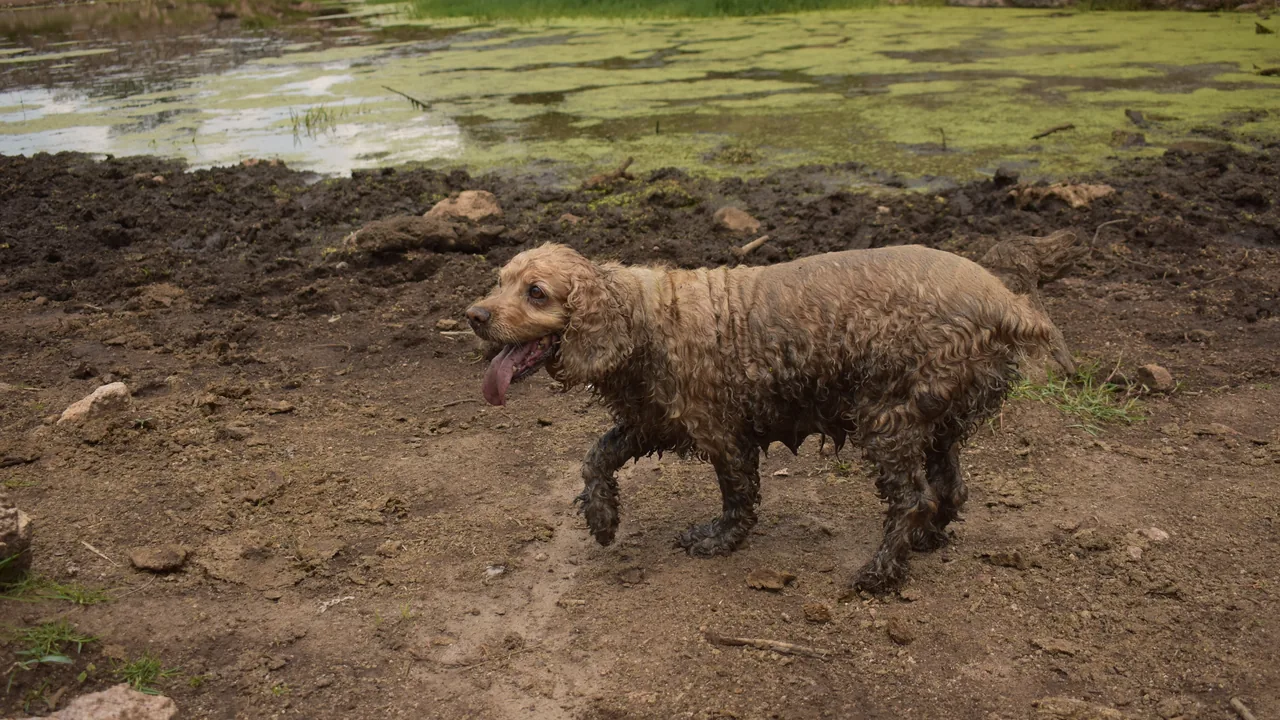
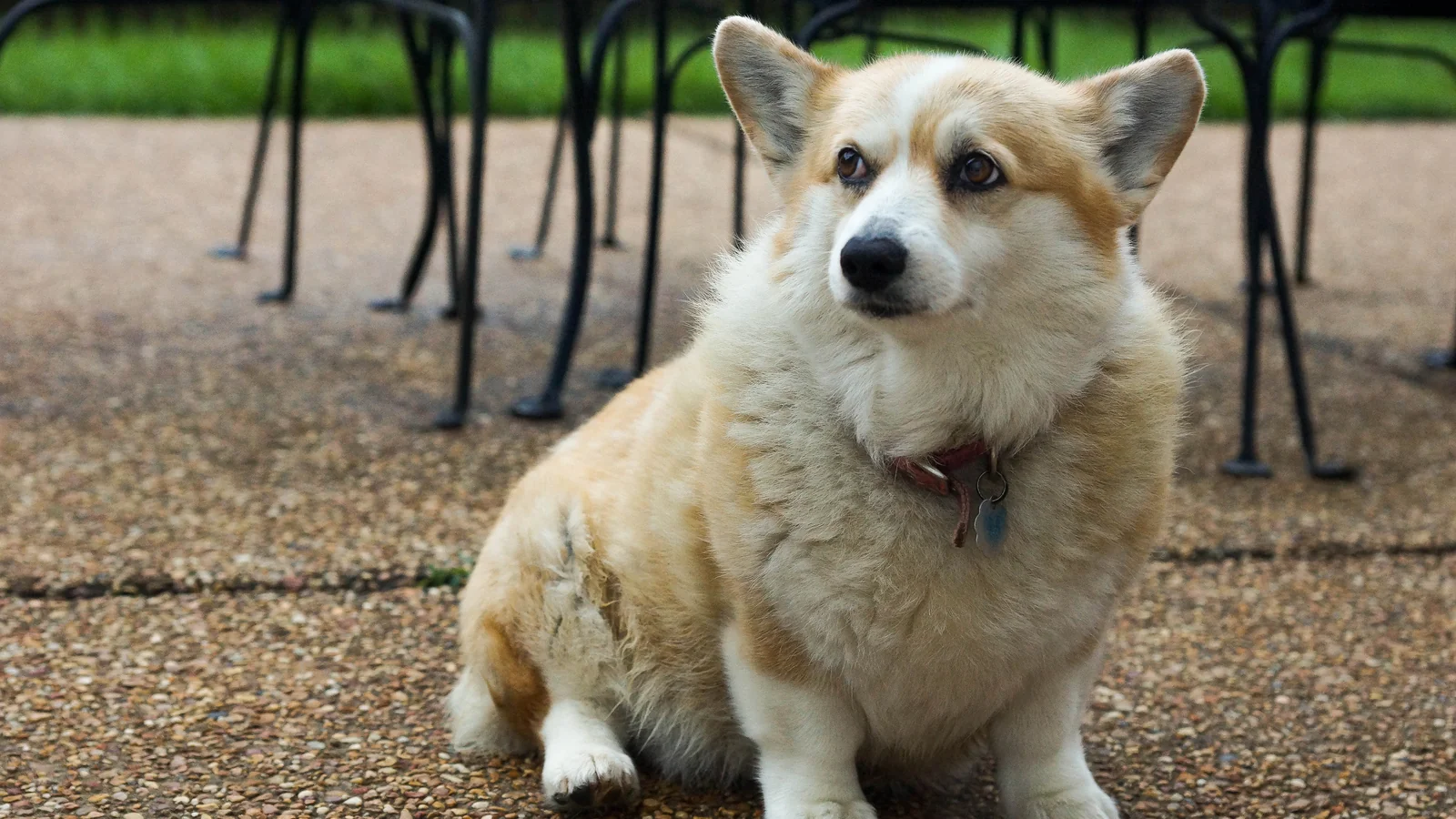
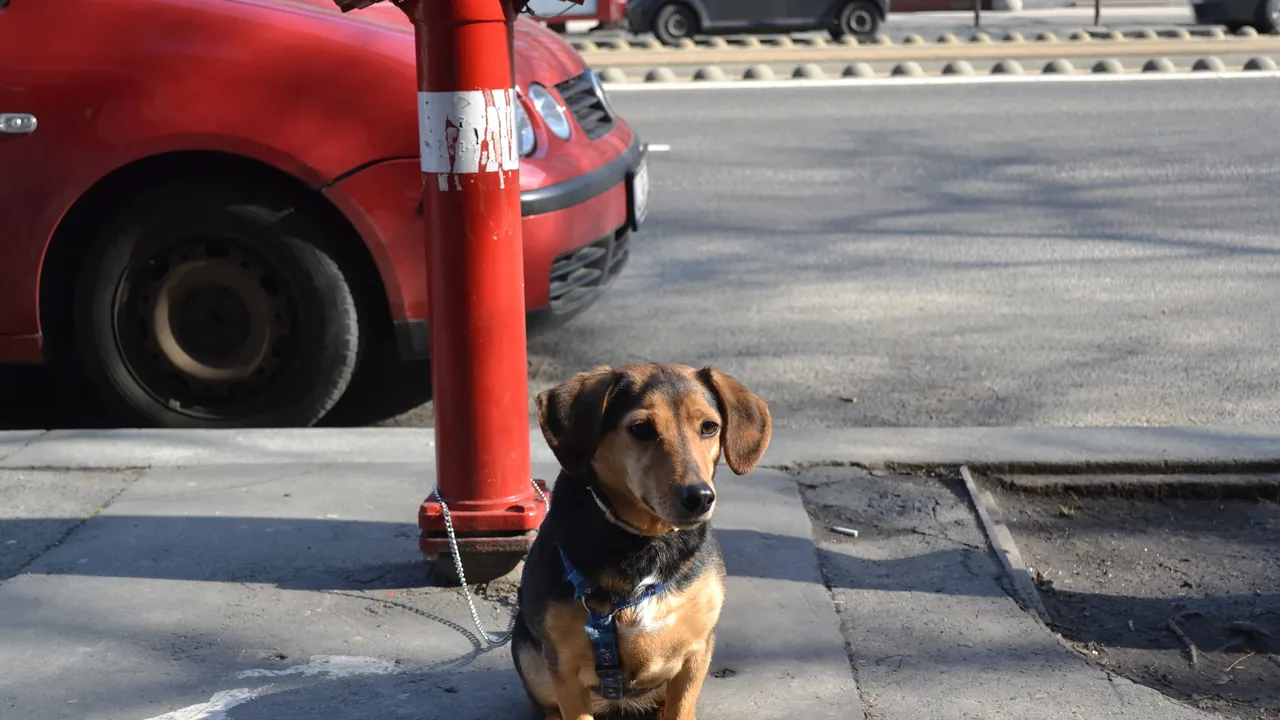
A Singapore Special in Singapore, the short version
A Singapore Special is not on HDB's approved breed list, and it may still be permitted in a flat through Project ADORE, a separate route for eligible local mixed-breed dogs that carries its own conditions. That is a genuine possibility rather than a loophole, and it is also not automatic, so ask the rescue whether the specific dog qualifies before you plan around it. What the breed does have going for it is the climate: it descends from dogs that have lived here for generations, so heat tolerance is not the problem it is for imported breeds, and the short coat needs little grooming in the humidity. What it needs most is training and socialisation, since many come from rescue backgrounds with unknown early histories. Size and temperament vary more than in a standardised breed, so meeting the individual dog matters more than any average.
Find Singapore Special-friendly spots in Singapore
High-energy breed, so these outdoor venues give Singapore Specials the space they need.
 Find Your Match Meet Singapore Special first “I'm proof that the best dog in Singapore was never about the papers” Swipe through a dating-profile-style card before you commit. Say hello →
 Breed fit quiz Does a Singapore Special actually suit your life? Answer a few questions about your lifestyle and see how well this breed matches your real setup. Find out →