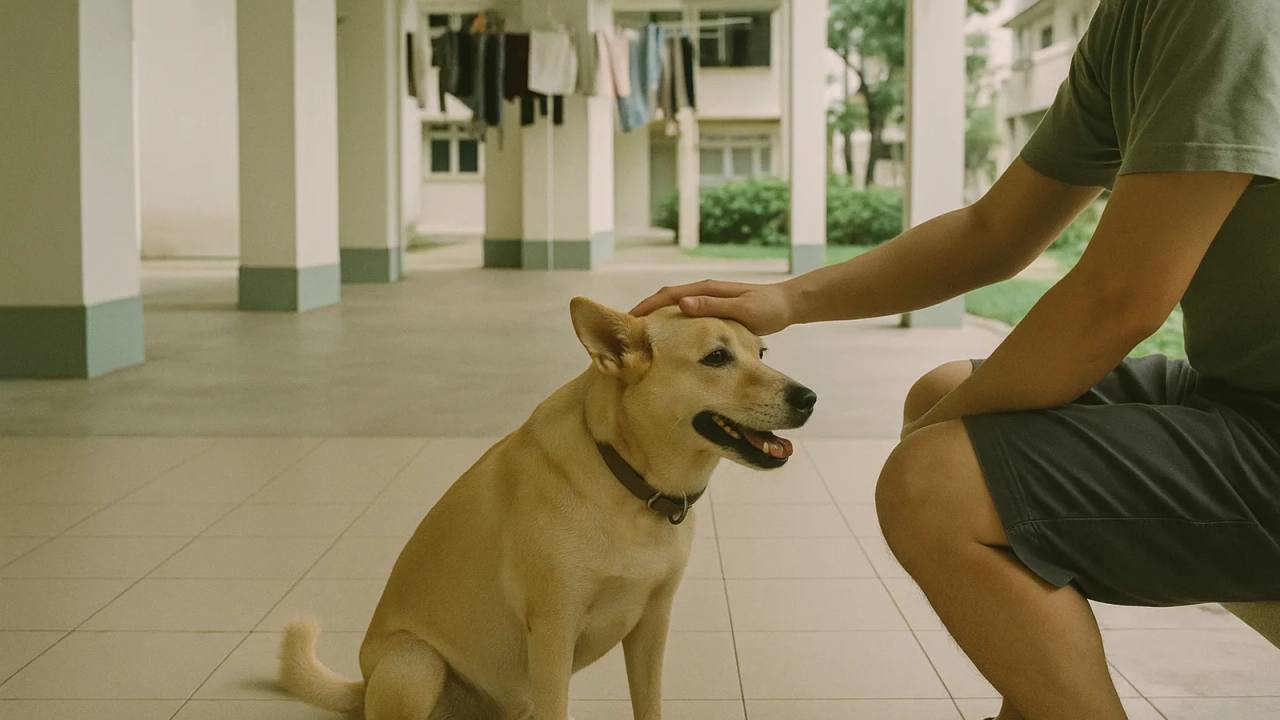


Leptospirosis can affect the kidneys and liver and can infect people too. This guide explains exposure, warning signs and prevention, while distinguishing clinical guidance from unverified local prevalence claims.
What is leptospirosis, and why does it matter here?
Leptospirosis is a bacterial infection caused by Leptospira, and Singapore's climate gives it a home. Infected animals can shed the bacteria in urine, contaminating water or soil. Rats are one possible source, not the only one. A dog picks it up by drinking that water, wading through it, or letting a cut or the soft tissue around the eyes and mouth touch it. It matters because it moves fast, it damages the kidneys and liver, and it spreads to people too, which makes it a household concern and not just a dog one.
When is the risk highest in Singapore?
Warm, wet environments can support exposure, but this review has not established a Singapore canine case series proving a particular monthly peak. Heavy rain and standing water are practical reasons to reconsider a route, not a diagnosis or a forecast of case numbers. Urban dogs can also be exposed, including where rodents contaminate shared spaces.
What are the signs to watch for?
Early leptospirosis is easy to mistake for a general off day. The signs that should send you to a vet include fever, low energy, poor appetite, vomiting, muscle soreness that makes a dog reluctant to move, and a marked change in how much they drink and urinate, either much more or almost nothing. Yellowing of the gums, eyes or skin is a later, serious sign of liver involvement. Seek prompt veterinary assessment rather than waiting to see whether several symptoms develop together. These signs are not specific enough to diagnose leptospirosis at home.
How is it treated?
A vet diagnoses leptospirosis with blood and urine tests and starts treatment quickly, usually with antibiotics and, in more serious cases, hospital fluids to support the kidneys. Many dogs recover well when they're caught early, but severe cases can need intensive care, and some are left with lasting kidney damage. The outlook depends on the severity and organs affected as well as timely treatment.
Discuss exposure without assuming a low-risk breed
Tell the vet about actual walks, swimming, rodents and water exposure. Urban living and a small body size do not rule out exposure. Avoid ranking an individual dog’s risk from the appearance of a clean pavement alone.
How does the vaccine work, and how often?
The 2024 WSAVA guidelines changed the earlier blanket non-core classification. Where canine leptospirosis occurs, implicated serogroups are known and suitable vaccines are available, they recommend considering vaccination core for dogs in that region. Ask your Singapore vet about the locally appropriate product and schedule. A primary course and subsequent boosters must follow the product and clinical advice; a lapsed course may need restarting. Vaccination does not replace avoiding contaminated water.
How do you prevent it?
Ask your vet about appropriate leptospirosis vaccination and keep your dog away from standing water, drains and flooded ground. Limit rodent access to food and bins. An infected dog’s urine can pose a risk to people: follow the clinic’s handling and cleaning advice, protect broken skin and wash hands carefully. Anyone who becomes unwell after possible exposure should tell their own doctor about it. Do not rely on rinsing paws to remove the risk of an exposure that has already occurred.
Migration editorial review: 16 September 2026. This source review is not a new veterinary peer review.
Leptospirosis is one of the few dog diseases that can make the rest of the household sick too, so prevention is worth taking seriously.
Common questions
- Is leptospirosis common in Singapore?
- It is a relevant infection to discuss with a Singapore vet, especially when considering contaminated water and wildlife exposure. We have not established a current local canine incidence rate or month-by-month case pattern, so the guide does not claim a quantified prevalence or monsoon surge.
- Can my dog give me leptospirosis?
- Yes, it's zoonotic. People can catch it from an infected dog's urine or from the same contaminated water, so wash your hands after handling a sick dog and tell your doctor if anyone at home feels unwell.
- Is there a vaccine for leptospirosis?
- Yes. WSAVA’s 2024 guidelines recommend considering it core where canine disease occurs, relevant serogroups are known and suitable vaccines are available. Ask your vet about the appropriate product, initial course and boosters for your dog in Singapore.
- What are the first signs of leptospirosis in dogs?
- Fever, low energy, poor appetite, vomiting, muscle soreness and a big change in how much your dog drinks and urinates. Yellowing of the gums or eyes is a later, serious sign. Any of these deserves a prompt vet visit.
- How do I protect my dog on wet walks?
- Avoid contaminated or standing water and discuss vaccination with your vet. Drying or rinsing muddy paws is ordinary care, not a way to undo an infection exposure.
Sources
- WSAVA 2024 vaccination guidancewsava.org
- WSAVA 2024 vaccination guidance
- VCA: leptospirosisvcahospitals.com
- VCA: leptospirosis
- CDC: leptospirosiscdc.gov
- CDC: leptospirosis
How we verify content Fact-checking policy How we stay free