

Almost every "best dog food" list is really a ranking of marketing budgets, and the truth is duller and more useful: there is no single best food, only the right food for the dog in front of you. Get four things right, in order, and you can walk into any shop or scroll any listing and judge the bag yourself. This is that framework. It deliberately does not crown a brand, because the moment a guide does, it stops being about your dog. For the deeper read on what is actually in the bowl, our dog nutrition explainer sits alongside this.
By the numbers
- 22.5% AAFCO minimum crude protein (dry matter) for growth and reproduction food
- 18% AAFCO minimum crude protein (dry matter) for adult maintenance food
- 2 profiles AAFCO only defines two life stages: growth/reproduction and adult maintenance
- 4 questions Life stage, size and activity, allergens, then label and maker
- 8 to 12 weeks A vet-guided elimination diet needs this long on one protein to read a food allergy
Official Singapore source: The AVS NParks dog care guide covers the regulatory baseline for feeding, welfare, and responsible dog ownership in Singapore. Read it once before you read any product label.
Question one: what life stage is your dog?
This is the decision that matters most, because a food that is wrong for the life stage is wrong no matter how good the brand. The Association of American Feed Control Officials (AAFCO), whose nutrient profiles most food sold here is formulated against, defines only two: growth and reproduction, for puppies and for pregnant or nursing dogs, and adult maintenance. A growth food must carry more of most nutrients, with a minimum of 22.5% crude protein on a dry-matter basis against 18% for maintenance, to fuel a body that is still building itself.
In practice that gives you three buckets. A puppy needs a growth or all-life-stages food until it finishes growing, which is around a year for small and medium breeds and up to two for the giants. An adult does best on a maintenance food matched to its energy needs. A senior is not a formal AAFCO stage, but older dogs often benefit from a maintenance food adjusted for a slower metabolism and any age-related conditions, which is worth discussing at the twice-yearly check our senior dog care guide covers. A food labelled "all life stages" meets the stricter growth profile, so it is safe across the board but can be richer than an inactive adult needs.
Question two: does breed size or activity change the pick?
Size mostly matters at the puppy stage, and mostly for big dogs. A large or giant-breed puppy grows fast, and too much calcium or too many calories in that window raises the risk of developmental orthopaedic disease, so these puppies need a food formulated specifically for large-breed growth, which controls calcium and energy density. AAFCO added a dedicated large-size growth statement for exactly this reason. A small-breed dog has a faster metabolism and a tiny stomach, so small-breed foods tend to be more calorie-dense in a smaller kibble.
Activity is the other dial. A working or high-energy dog burns more and can carry a richer food; a couch-oriented flat dog in an air-conditioned home needs less than the pack suggests, and Singapore's heat quietly suppresses appetite and activity in ways that make overfeeding easy. Feed to the dog's body condition rather than to a number: you want to feel the ribs easily under a light cover and see a waist from above. The WSAVA body condition score chart is a good reference, and it beats any feeding chart.
Question three: do you need to screen for allergens?
Food allergy is real but over-diagnosed by owners, who often blame the diet for what is an environmental or flea allergy. When it is genuine, it tends to show as itchy skin, recurrent ear infections or persistent digestive upset, and the trigger can be a dietary protein, including proteins in grains. That is why grain-free is not the same as hypoallergenic. If your dog is comfortable and doing well, you do not need to screen for anything; pick a complete food with a protein source you can buy consistently and move on.
If there are signs of a food reaction, the only reliable test is a vet-guided elimination diet: a single novel protein the dog has never eaten, or a hydrolysed diet, fed exclusively for eight to twelve weeks, then a deliberate challenge to confirm. Home-guessing your way through boutique flavours does not work, because extra foods can make the result difficult to interpret; tell the vet about any accidental exposure. Start with your vet, who can rule out the more common causes first and run the trial properly if food really is the culprit.
Question four: how do you vet the label and the maker?
Two checks separate a credible food from a pretty bag. The first is on the pack: find the nutritional adequacy statement. It should say the food is formulated to meet, or has passed feeding trials for, the AAFCO or FEDIAF profiles for a named life stage. If it instead says "for intermittent or supplemental feeding," it is a topper, not a diet. Ignore the front-of-pack imagery; the small print is where the truth is.
The second check is on the company, and the WSAVA Global Nutrition Committee gives you the questions to ask: does the maker employ a qualified nutritionist (a board-certified veterinary nutritionist or a PhD in animal nutrition), who formulates the food, does it run feeding trials or only formulate to a profile, and what quality-control and safety testing does it do. A company that answers these openly is one that takes your dog seriously. Several foods on Singapore shelves clear this bar; the right one is the food your dog thrives on, that you can reliably buy, and that fits your budget over the long run, not the one with the loudest claim.
Freeze-dried versus air-dried: compare the actual food
These labels describe processing, not nutritional quality. Freeze-drying removes water from frozen material under vacuum; air-drying removes moisture using moving air, with conditions varying by manufacturer. Neither name tells you whether the original ingredients were raw, whether there was a validated pathogen-reduction step, or whether the finished food is complete for your dog’s life stage.
Ask the manufacturer how it controls contamination and verifies its process. The FDA’s work on raw pet foods includes freeze-dried products. Dry texture is not proof of sterility. The FDA’s raw-food guidance also explains risks to people handling contaminated food. Discuss raw products with your vet, especially where a pet or household member is vulnerable to infection.
For daily use, compare the nutritional adequacy statement, calories per gram, serving size, storage instructions and price per daily ration. A lighter bag is not necessarily cheaper to feed. A topper or treat must not quietly replace a complete meal. Ask the vet before changing a prescribed diet or feeding a growing puppy a product intended for adults.
Follow the pack’s instructions for adding water, storage and disposal of leftovers. Once water is added, do not treat a meal as shelf-stable. Use clean utensils and bowls, wash hands and keep the original batch details. In Singapore’s humidity, reseal and store food as directed rather than assuming all dried foods can sit open beside the bowl.
There is no evidence-based winner simply from the drying method. Choose the product with suitable nutrition, a credible safety process and instructions you can follow consistently. This comparison does not rank or endorse individual brands.
Frequently asked questions
Is freeze-dried dog food better than air-dried?
What is the best dog food brand in Singapore?
How do I know a dog food is complete and balanced?
Should a large-breed puppy eat different food?
How do I tell if my dog has a food allergy?
Is grain-free dog food better?
How much should I feed, and how do I switch foods?
Recommended food to start with
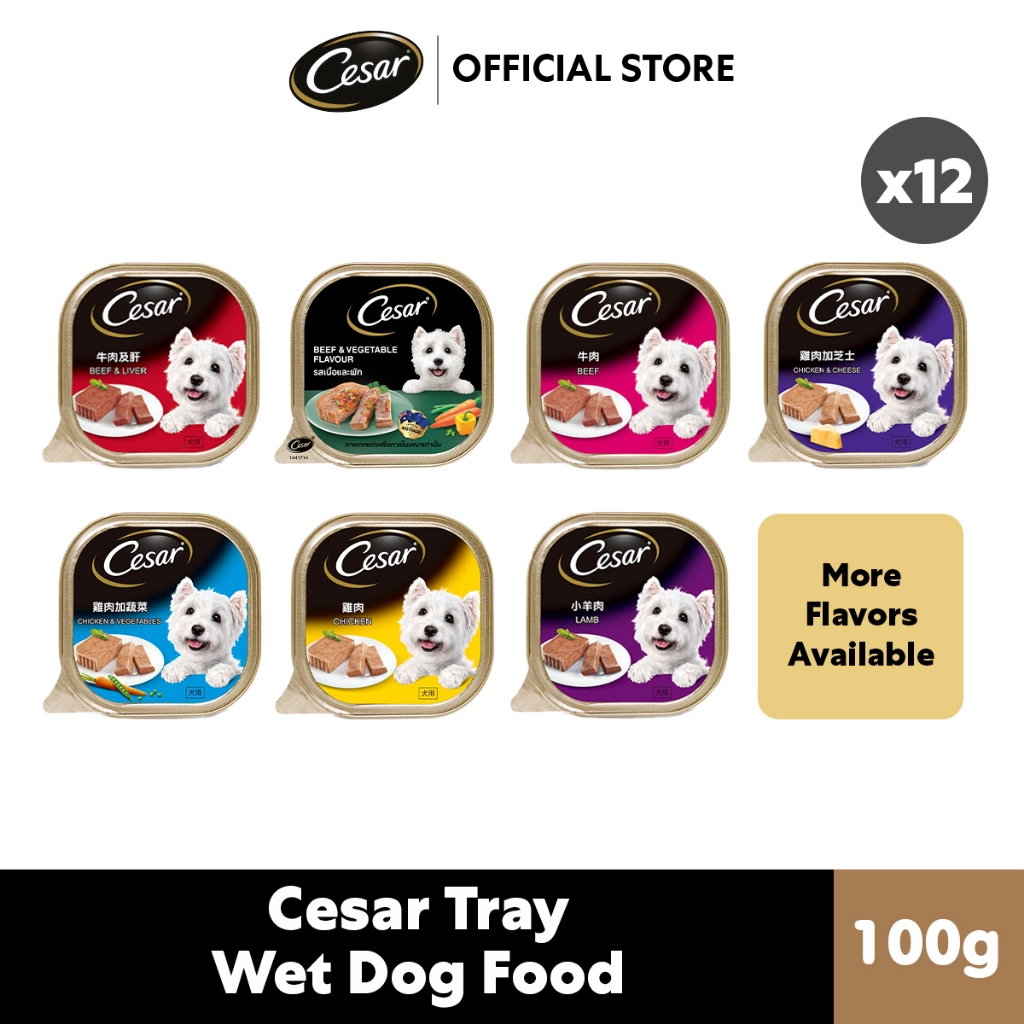
Cesar Cuisine Wet Dog Food Adult (Bundle of 12 x 100g)
Great toppers for fussy eaters or old dogs who have earned the right to demand something good at mealtimes.
Affiliate link. UDO earns a small commission if you buy.
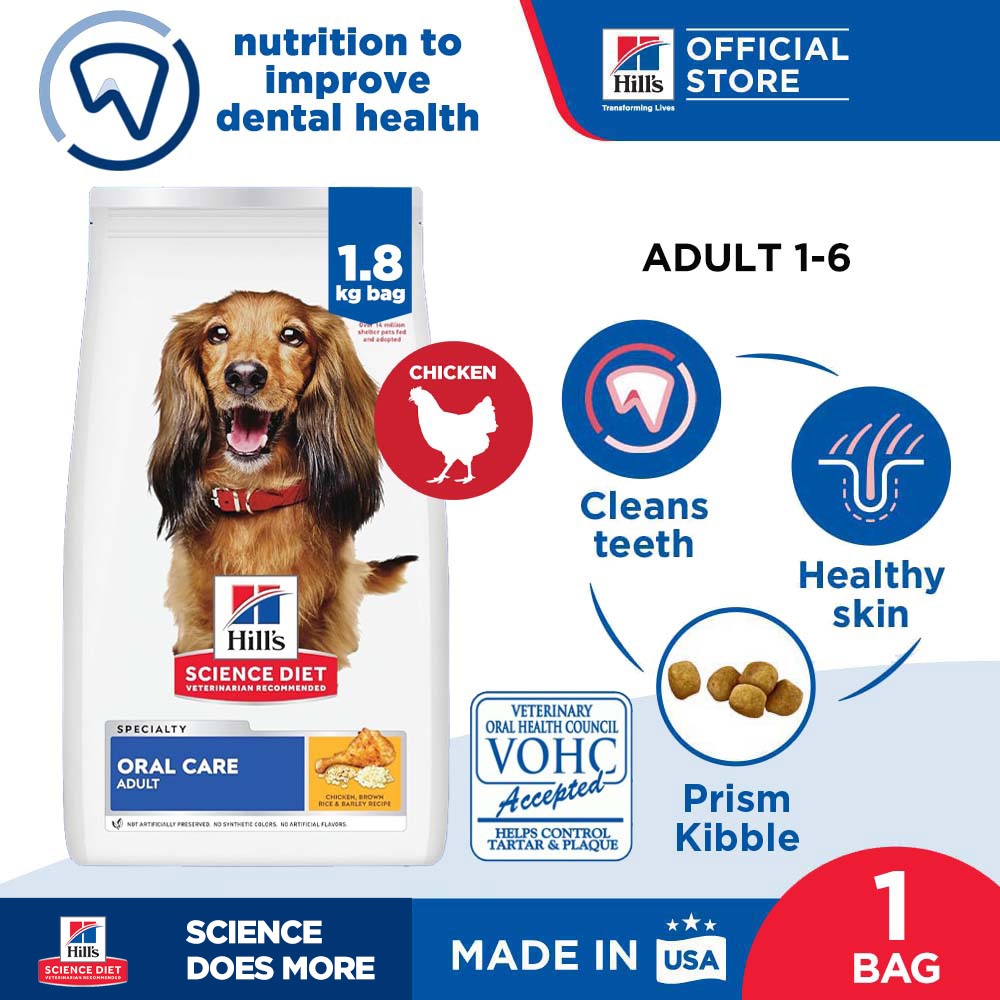
Hill's Science Diet Adult Oral Care Dry Dog Food (1.8kg)
If your dog skips the vet dental scale but you still want clean teeth, this does the quiet work every day.
Affiliate link. UDO earns a small commission if you buy.
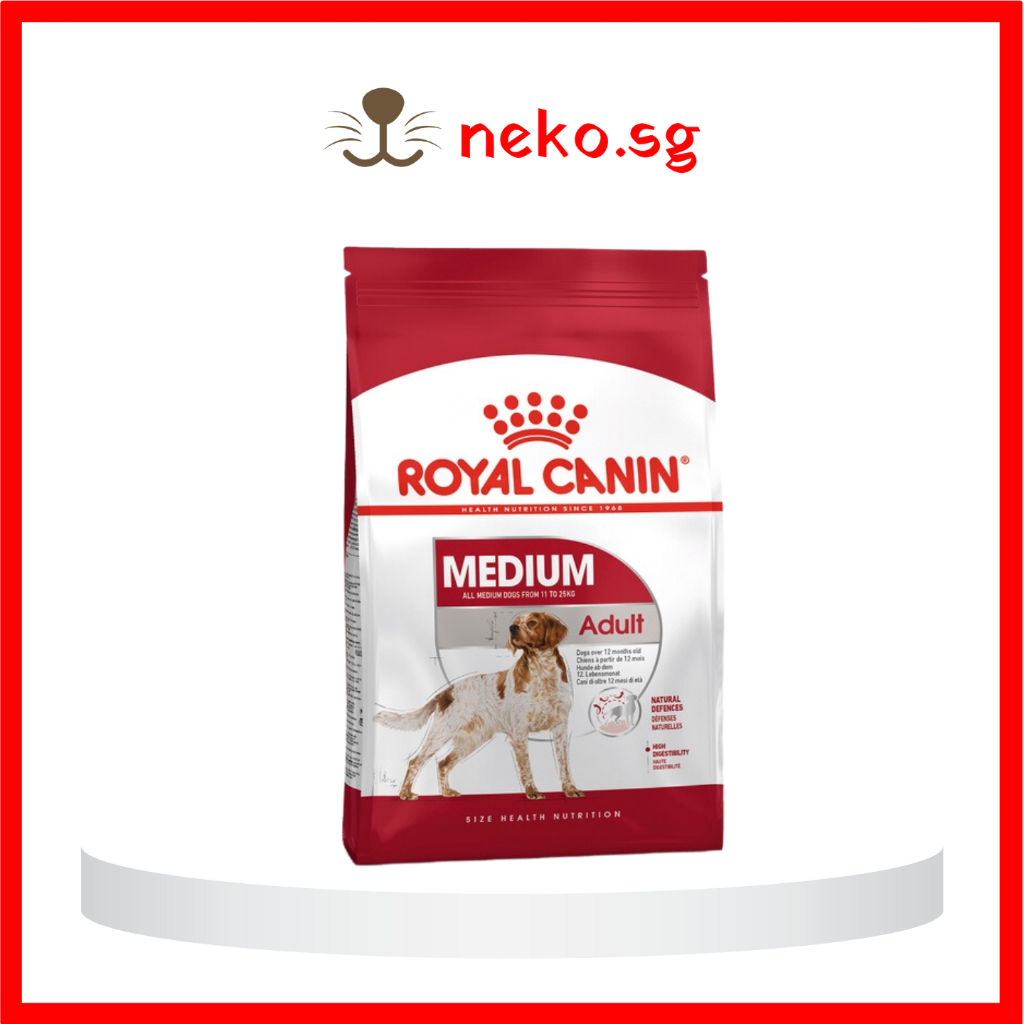
Royal Canin Medium Adult Dry Dog Food (4kg)
The dry food SG vets reach for first when owners ask what to feed a healthy adult dog in a flat.
Affiliate link. UDO earns a small commission if you buy.
Royal Canin X-Small Adult Dry Dog Food (1.5kg)
Tiny kibble for tiny mouths, with the density small-breed dogs need without the calories they do not.
Affiliate link. UDO earns a small commission if you buy.