A useful weight plan protects nutrition, muscle and comfort as well as reducing excess fat. Ask your vet to assess body and muscle condition, set an individual food allowance and agree follow-up. Do not force exercise or sharply cut meals on your own.
What Does An Overweight Dog Look Like?
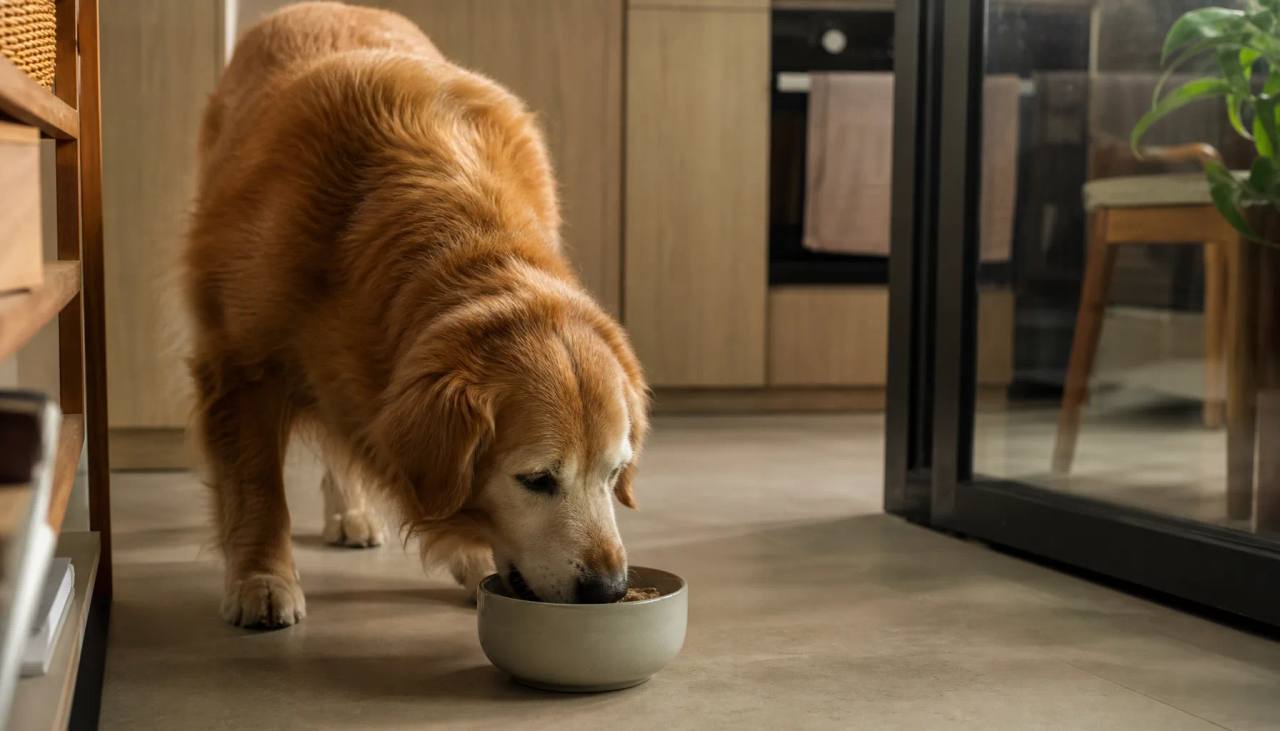
An overweight dog typically lacks a visible waist and has difficulty feeling ribs. As you observe your dog from above, a healthy dog should have a noticeable indentation behind the ribs, forming a waist. In contrast, an overweight dog might appear more barrel-shaped or have a broader, more rounded midsection. When you run your hands along the sides of your dog, you should be able to feel the ribs with a slight layer of fat covering them. If you need to press firmly to feel the ribs, your dog might be carrying excess weight.
Another physical sign to look out for is a thick layer of fat over the ribcage. This can be evident when the ribs are not easily felt, even with gentle pressure. The base of the tail might also have a significant layer of fat, making it difficult to feel the tail bones. Additionally, you might notice fat deposits around the neck, chest, and back, giving your dog a more rounded appearance.
Lower stamina, heavier panting or reluctance to move should not automatically be blamed on weight. Pain, heart or respiratory disease and other problems can look similar. Seek veterinary advice for a change from your dog’s usual behaviour.
A dog who avoids exercise may be uncomfortable, worried or unwell. Do not force longer walks as a test of motivation. Describe the change to your vet and build activity around what your dog can manage comfortably.
Monitoring your dog's weight and physical condition regularly helps in identifying any changes early. You can use a body condition score, which involves assessing your dog's physique and assigning a score based on their appearance and feel. This can be a useful tool in determining whether your dog is at a healthy weight. Consulting resources like the American Animal Hospital Association can provide additional guidelines and support in managing your dog's weight effectively.
In summary, keep an eye out for a lack of a defined waist, difficulty feeling ribs, and changes in energy levels. These signs can help you identify if your dog might be overweight, allowing you to take the necessary steps to improve their health. Regular check-ups with your vet, along with a balanced diet and appropriate exercise, are key to maintaining your dog's optimal weight and overall health.
Why Do Dogs Become Overweight?
Dogs become overweight due to a combination of overfeeding, lack of exercise, breed predispositions, and certain medical conditions. Overfeeding is a common issue, especially when owners give in to those pleading eyes and offer extra treats or larger portions than necessary. Many dog owners are not fully aware of the appropriate amount of food their pets need, leading to unintentional overfeeding. Moreover, commercial dog food can sometimes be calorie-dense, making portion control even more crucial.
Lack of exercise is another significant factor contributing to weight gain in dogs. In a bustling city like Singapore, busy lifestyles might mean less time for regular walks or playtime. Dogs need physical activity to burn calories and maintain muscle mass. Without sufficient exercise, the calories consumed are stored as fat, leading to weight gain. Regular activity is also important for joint mobility, which can be compromised in overweight dogs, further reducing their ability to exercise.
Some breeds are more prone to gaining weight than others. Breeds like Labradors, Beagles, and Bulldogs have a genetic predisposition to gain weight more easily. Owners of these breeds need to be especially vigilant about their pet's diet and exercise routine. Being aware of your dog's breed tendencies can help in planning an appropriate weight management strategy.
Medical conditions can contribute to changing weight or appetite. A vet needs to examine your dog and decide which tests are relevant; appearance alone does not diagnose hypothyroidism or Cushing’s disease. Use a Singapore veterinary clinic, rather than a UK professional register, to arrange local care.
In summary, while overfeeding and lack of exercise are common culprits, breed predispositions and medical conditions can also contribute to a dog becoming overweight. Understanding these factors can help pet owners take proactive steps to ensure their furry friends maintain a healthy weight. Regular vet check-ups, portion control, and ensuring your dog gets enough exercise are key components of effective weight management. By addressing these elements, you can help your dog live a healthier, more active life.
How Can I Manage My Dog's Weight At Home?
Start a weight-management plan with your vet, including a target, an appropriate complete diet and follow-up. Simply feeding much less of an ordinary diet may reduce essential nutrients as well as calories. If you want home-prepared meals, ask for a recipe formulated for your dog by a qualified veterinary nutrition specialist; a mix of apparently healthy ingredients is not enough.
Use a kitchen scale to weigh the prescribed portions and record everything offered, including training rewards, chews and leftovers. Pack instructions are a starting point, not an individual weight-loss prescription. Keep one shared household feeding record so several people do not each supply an extra meal.
Choose gentle activity appropriate to your dog’s health, mobility and current fitness. There is no universal minimum of thirty to sixty minutes for an overweight or unwell dog. In Singapore, plan around current heat, humidity and surfaces, and shorten or move sessions indoors when needed. Ask your vet before introducing swimming, jumping or vigorous fetch.
Consistency plays a significant role in effective weight management. Establish a steady daily routine that incorporates regular feeding times and exercise schedules. This not only helps with weight control but also provides a sense of security and stability for your dog. Stick to the routine as closely as possible, even on weekends or holidays. Consistency in diet and exercise helps prevent weight fluctuations and promotes long-term health.
Count treats within the agreed daily energy allowance. The commonly used maximum of 10% of calories from extras is a ceiling, not a target; a weight-loss plan or therapeutic diet may require less. Reserve some of the measured food for training, and use play or attention where your dog enjoys those rewards. Agree a reweigh schedule and review body condition and muscle as well as the scale number.
Frequently asked questions
Does heavy panting prove my dog is overweight?
No. Breathing changes and poor stamina can have other causes and need veterinary assessment.
Should I simply halve the usual food?
No. A large unsupervised cut can leave the diet inadequate. Ask for an appropriate food and portion plan.
Can I use homemade meals for weight loss?
Only with a complete recipe formulated for your dog by a qualified veterinary nutrition specialist and a follow-up plan.
How should I measure meals?
Use a kitchen scale, record all extras and make sure everyone feeding the dog follows the same allowance.
Does every dog need an hour of exercise?
No. Activity should fit health, mobility, fitness and weather. Ask your vet about safe progression.
Sources and editorial review
AAHA: individual weight-reduction plans; WSAVA: nutrition assessment and food selection; Royal Veterinary College: heatstroke prevention. Editorial source review: 12 September 2026.
Common questions
- Does heavy panting prove my dog is overweight?
- No. Breathing changes and poor stamina can have other causes and need veterinary assessment.
- Should I simply halve the usual food?
- No. A large unsupervised cut can leave the diet inadequate. Ask for an appropriate food and portion plan.
- Can I use homemade meals for weight loss?
- Only with a complete recipe formulated for your dog by a qualified veterinary nutrition specialist and a follow-up plan.
- How should I measure meals?
- Use a kitchen scale, record all extras and make sure everyone feeding the dog follows the same allowance.
- Does every dog need an hour of exercise?
- No. Activity should fit health, mobility, fitness and weather. Ask your vet about safe progression.
Sources
- AAHA: individual weight-reduction plansaaha.org
- AAHA: individual weight-reduction plans
- WSAVA: nutrition assessment and food selectionwsava.org
- WSAVA: nutrition assessment and food selection
- Royal Veterinary College: heatstroke preventionrvc.ac.uk
- Royal Veterinary College: heatstroke prevention
How we verify content Fact-checking policy How we stay free