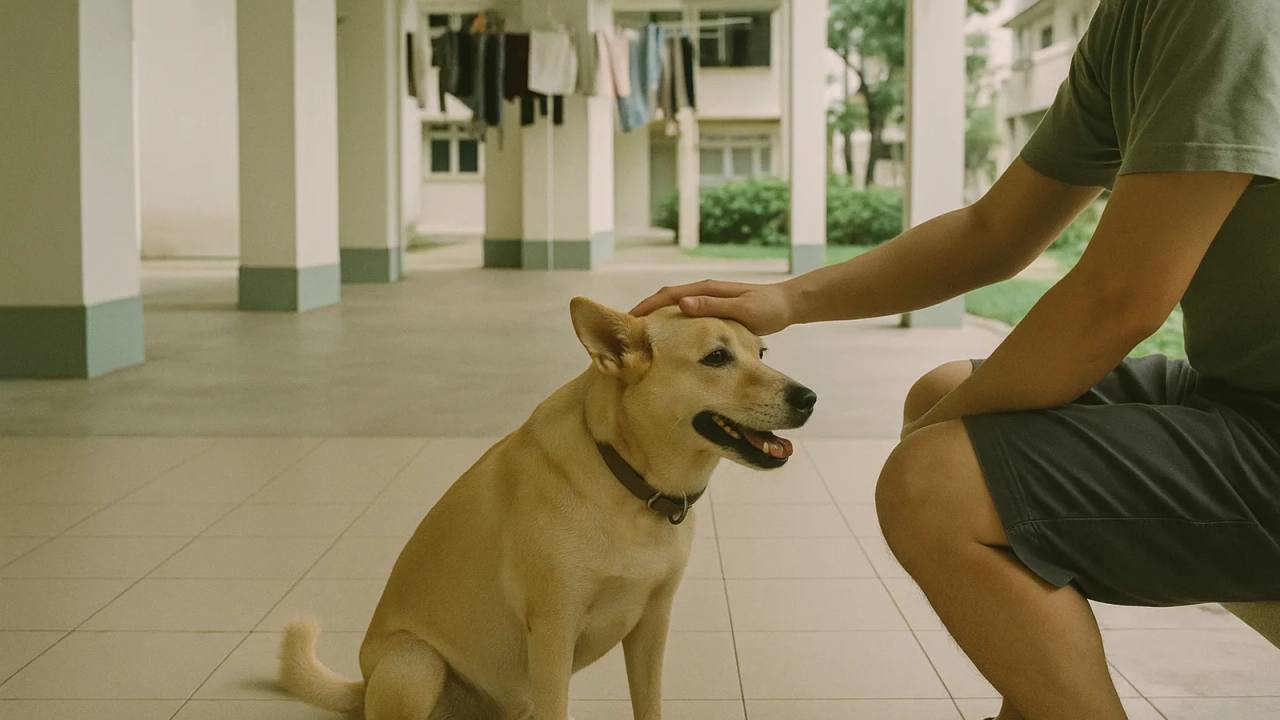
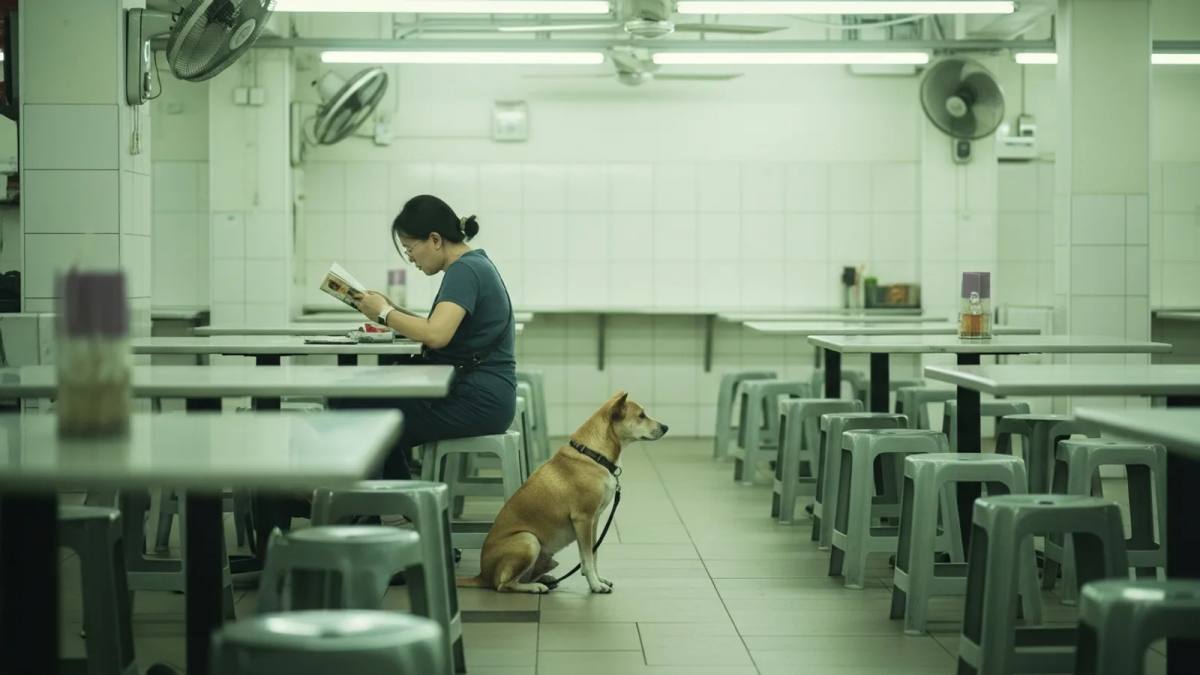
Signs of urinary and bladder issues in dogs include frequent urination, blood in urine, straining, and notable behavioral changes. Dogs may start urinating more often, even in inappropriate places, which can be a clear indication of discomfort or urgency. Frequent urination is a common symptom and should not be ignored as it might suggest a urinary tract infection or other underlying conditions. If you notice your dog making more frequent trips outside, or if they seem to be unable to hold their bladder for long, it might be time to consult a veterinarian.
What are the signs of urinary & bladder issues in dogs?
Signs of urinary and bladder issues in dogs include frequent urination, blood in urine, straining, and notable behavioral changes. Dogs may start urinating more often, even in inappropriate places, which can be a clear indication of discomfort or urgency. Frequent urination is a common symptom and should not be ignored as it might suggest a urinary tract infection or other underlying conditions. If you notice your dog making more frequent trips outside, or if they seem to be unable to hold their bladder for long, it might be time to consult a veterinarian.
Blood in urine can occur with infection, stones and other urinary conditions. Contact your vet promptly for assessment rather than diagnosing the cause by colour. Straining with little or no urine, severe pain or systemic illness needs urgent attention. The amount you can see does not reliably measure the seriousness of the problem.
Straining while urinating can be distressing for both the dog and the owner. This could manifest as your dog taking longer than usual to urinate, appearing uncomfortable, or showing signs of pain. Sometimes, a dog might not produce any urine despite multiple attempts, which could indicate a blockage. This is a veterinary emergency, and your dog should be seen immediately to prevent serious complications.
Behavioral changes are also a key indicator of urinary and bladder issues. Dogs in discomfort might exhibit changes in their normal routines or become more irritable. You might notice them licking their genital area more frequently in an attempt to soothe irritation. Some dogs may become more lethargic or show a decrease in appetite due to lingering discomfort or pain. These changes, while subtle at first, can escalate and should prompt a visit to the vet.
Early detection of urinary and bladder issues is vital for effective treatment and the overall well-being of your dog. Regular monitoring of your dog's bathroom habits and being attentive to any changes in behavior can make a significant difference. If you notice any of these signs, do not hesitate to seek professional advice. Veterinarians can conduct the necessary tests and provide a diagnosis, ensuring your dog receives the appropriate care. Remember, catching these issues early can prevent further complications and ensure your furry friend remains healthy and happy. Taking action promptly is always the best approach when it comes to the health of your pet.
Why do urinary & bladder issues occur in dogs?
Urinary and bladder issues in dogs can occur due to infections, bladder stones, hereditary factors, and other influences like diet and hydration. Infections, particularly urinary tract infections (UTIs), are common culprits. Bacteria can enter through the urethra, leading to inflammation and discomfort. If untreated, these infections might ascend to the kidneys, causing more severe health problems. It's important for dog owners to be aware of the symptoms, such as frequent urination, straining, or blood in the urine, and seek veterinary advice promptly.
Bladder stones, also known as uroliths, are another significant cause. These mineral formations can develop in the bladder or urinary tract, leading to blockages or irritation. The formation of these stones can be influenced by the dog's diet, water intake, and genetic predisposition. Dogs that do not drink enough water concentrate their urine, increasing the risk of stone formation. Certain breeds are more prone to bladder stones due to hereditary factors. For instance, Dalmatians and Bulldogs are known to have a higher incidence of urate stones.
Some urinary conditions have breed-associated risks, but a breed list does not identify the problem in an individual dog. Ask which tests are needed and whether a stone, if present, can be analysed. Diagnosis matters because treatments and prevention plans differ between stone types and other causes of urinary signs.
A urinary diet is selected for a particular diagnosis or stone type. It is not accurate to warn every dog owner against high-protein food or minerals in general. Do not start a urinary acidifier, supplement or another pet’s prescription diet without advice. The wrong intervention can be unhelpful or conflict with other nutritional needs.
Keep fresh water available and discuss any marked change in drinking with your vet. Water access supports normal care but does not treat an obstruction or replace an assessment for infection or stones. Follow any individual fluid or feeding instructions, particularly if your dog also has another medical condition.
In summary, urinary and bladder issues in dogs arise from a combination of infections, bladder stones, hereditary factors, and dietary influences. Owners need to be proactive in providing appropriate care, which includes regular veterinary check-ups, a balanced diet, and ensuring adequate hydration. By doing so, they can help prevent these issues and support their dog's overall well-being.
What can you do at home for urinary & bladder issues?
Contact your vet when urinary signs appear. Note when your dog last passed a normal stream and whether repeated attempts produce only drops. A dog that cannot pass urine needs emergency veterinary care; do not wait for home measures to work. Ask the clinic whether it wants a urine sample and how to collect and store it.
Offer plain fresh water while arranging the recommended care. Do not rely on broth, forced fluids or “flushing toxins” as treatment. Broths can contain unsuitable ingredients and salt, and extra drinking will not remove a mechanical obstruction. If your dog is unwell or unwilling to drink, tell the veterinary team rather than delaying the visit.
Your vet may recommend a therapeutic food after investigating the cause. Some stones can be dissolved under veterinary management; others cannot and may need removal or another procedure. Do not assume all urinary diets are interchangeable. Ask how treats and other foods affect the plan and how success will be checked.
Despite these home care measures, never delay seeking professional veterinary care if your dog's symptoms persist or worsen. Urinary and bladder issues can quickly escalate and may require medical intervention to prevent more serious complications. Always consult with your vet if you're uncertain about your dog's condition or if you notice blood in the urine, excessive licking of the genital area, or any signs of pain. Keeping up with regular vet check-ups can also help catch any potential issues early.
- Monitor changes in urination habits
- Ensure proper hydration by providing fresh water
- Consider dietary changes to support urinary health
- Contact a vet when symptoms begin; inability to pass urine is an emergency
Sources and editorial review
Merck Veterinary Manual: urinary disorders in dogs; Merck Veterinary Manual: canine urinary stones; Cornell: struvite bladder stones. Editorial source review: 12 September 2026. Individual diagnosis and treatment require your veterinarian.
Common questions
- What are the common symptoms of urinary issues in dogs?
- Frequent urination, blood in urine, straining to urinate, accidents in the house, and excessive licking of the genital area.
- Can diet affect my dog's urinary health?
- Diet can be part of treatment, but it must match the diagnosis and any stone type. Do not use a blanket high-protein restriction, urinary acidifier or another pet’s prescription diet without veterinary advice.
- Are urinary issues in dogs preventable?
- While not all issues are preventable, regular vet check-ups, proper hydration, and a balanced diet can reduce risks.
- How are urinary issues diagnosed in dogs?
- Vets typically use urine tests, blood tests, and sometimes ultrasounds or X-rays to diagnose urinary issues.
- What are the treatment options for urinary issues in dogs?
- Treatment can include antibiotics, dietary changes, increased water intake, or surgery, depending on the underlying cause.
- What if my dog keeps trying but cannot pass urine?
- This can indicate an obstruction and needs emergency veterinary care. Do not wait for water, food changes or a home remedy to work.
Sources
- Merck Veterinary Manual: urinary disorders in dogsmerckvetmanual.com
- Qualified guidance linked in the article.
- Merck Veterinary Manual: canine urinary stonesmerckvetmanual.com
- Qualified guidance linked in the article.
- Cornell: struvite bladder stonesvet.cornell.edu
- Qualified guidance linked in the article.
How we verify content Fact-checking policy How we stay free