

Kennel cough is a common name for a group of infectious respiratory conditions, not a diagnosis made from the sound of a cough. Here is how to reduce spread, care for a dog under veterinary guidance and recognise when help is urgent.
What are the symptoms of kennel cough?
Kennel cough is primarily identified by a persistent, dry cough that often sounds like a honking noise. This cough can be quite distressing for both the dog and its owner as it tends to occur frequently. Dogs with kennel cough might also experience sneezing and nasal discharge, which can be mistaken for a common cold. Discharge colour alone does not establish a bacterial infection. Affected dogs often show signs of fatigue and a reduced appetite, making them appear less interested in their usual activities. This can be particularly concerning for pet owners as a dog that is normally lively might suddenly seem lethargic and uninterested in food.
Exercise can exacerbate the symptoms of kennel cough, so it is not uncommon for dogs to have coughing fits after physical activity. This is due to the irritation in the dog’s respiratory system being further aggravated by exertion. Owners might notice that their pets are less eager to go for walks or play fetch, showing a preference for resting instead. This change in behaviour can be one of the more obvious signs that something is amiss. While the cough is the most noticeable symptom, sneezing and nasal discharge can also be quite persistent, making it important to monitor these signs closely.
In some cases, the symptoms of kennel cough can be mild and resolve on their own, while in others they may persist and require veterinary attention. According to VCA’s respiratory guidance, it is important to keep an eye on your dog’s overall condition, especially if the symptoms do not improve over time. Dogs with weakened immune systems or underlying health issues may be at risk of developing more severe symptoms. If you notice your dog’s symptoms worsening or if they have difficulty breathing, it is crucial to seek veterinary care promptly.
Preventing the spread of kennel cough involves isolating affected dogs from others to reduce transmission. While kennel cough is often associated with boarding facilities, it can be contracted in any environment where dogs are in close contact. Ensuring that your dog is up-to-date with vaccinations can help reduce the risk of infection. However, vaccinations do not guarantee complete immunity, so being vigilant about symptoms and seeking early treatment can make a significant difference in your dog’s recovery. Keeping your dog comfortable and avoiding physical exertion during recovery can help alleviate some of the symptoms and speed up the healing process.
Why do dogs get kennel cough?
Dogs get kennel cough primarily due to exposure to specific bacteria and viruses that cause respiratory infections. This condition is often linked to crowded environments where dogs are in close proximity, such as kennels, dog parks, and grooming salons. In these settings, the likelihood of transmission increases significantly. The disease spreads easily through airborne droplets when an infected dog coughs or sneezes, making it highly contagious. Direct contact with contaminated surfaces or objects, such as water bowls or toys, also facilitates the spread of these pathogens.
Young and unvaccinated dogs are particularly vulnerable to kennel cough. Young age, vaccination history and other health conditions can affect susceptibility and severity; being unvaccinated does not by itself prove immune deficiency. Vaccination plays a crucial role in preventing kennel cough, but even vaccinated dogs can contract a milder form if exposed to the disease. It's important for pet owners to be aware of the risks and take preventive measures to protect their dogs.
Being informed about puppy basics can help new dog owners understand the importance of early vaccination and socialization in controlled environments. Socialization is vital for a puppy's development, but it should be done carefully to minimize exposure to potential sources of infection. Regular vet check-ups and staying up-to-date with vaccinations can significantly reduce the risk of kennel cough.
Tell the vet about age, vaccination, existing illness and recent dog contacts. These details help the clinic decide the urgency and appropriate examination.
Pet owners should be mindful of the signs of kennel cough, which include a persistent cough, sneezing, and nasal discharge. If a dog exhibits these symptoms, it's advisable to consult a veterinarian promptly. Early intervention can prevent the condition from worsening and reduce the risk of spreading it to other dogs. Ask the vet how long to avoid contact with other dogs; looking recovered does not necessarily mean shedding has stopped.
- Keep a coughing dog away from group activities and ask about any current facility outbreak.
- Ensure vaccinations are up-to-date.
- Practice good hygiene, such as cleaning shared items regularly.
- Consult a vet if symptoms appear.
By understanding why dogs get kennel cough and taking the necessary precautions, pet owners can help keep their furry friends healthy and happy. Education and awareness are key components in preventing the spread of this common respiratory condition among dogs.
How can you care for a dog with kennel cough at home?
To care for a dog with kennel cough at home, ensure they get plenty of rest and stay well-hydrated. Rest is crucial as it helps the immune system fight off the infection more effectively. Make sure your dog has a comfortable and quiet place to sleep, away from any disturbances that might cause stress or excitement. Keeping your dog hydrated is equally important, so always provide fresh water and encourage drinking throughout the day.
Keep the dog comfortable in a well-ventilated environment and follow the vet’s treatment advice. Do not put a coughing or breathless dog into a hot, steamy bathroom. In humid Singapore conditions, adding heat and humidity may make comfort harder to manage. Ask the clinic whether any environmental adjustment is appropriate for the actual diagnosis.
Avoiding exercise until recovery is essential to prevent exacerbating the symptoms of kennel cough. Physical activity can strain your dog's respiratory system, prolonging recovery or worsening the condition. Instead, maintain a steady daily routine that focuses on rest and relaxation. Gentle play and mental stimulation through toys or puzzles can keep your dog entertained without exerting them physically.
Consulting a vet for proper medication is a key step in managing kennel cough. While many cases resolve on their own, a veterinarian can prescribe antibiotics or cough suppressants if necessary. Antibiotics are not needed for every cough, and suppressants are inappropriate for some diagnoses. Do not give human cough medicines or leftover prescriptions. Always follow the vet's instructions carefully and complete the full course of medication, even if your dog appears to be feeling better. For more detailed information about kennel cough and treatment options, you can refer to the Merck Veterinary Manual, a trusted resource for pet health.
Throughout the recovery process, monitor your dog's condition and watch for any signs of worsening symptoms such as labored breathing or lethargy. If you notice any concerning changes, contact your vet immediately. With proper care and attention, most dogs recover from kennel cough without complications, allowing them to return to their usual playful selves. By following the vet’s rest, hydration and treatment advice, you'll be able to provide the best possible care for your dog at home.
Migration editorial review: 16 September 2026. This source review is not a new veterinary peer review.
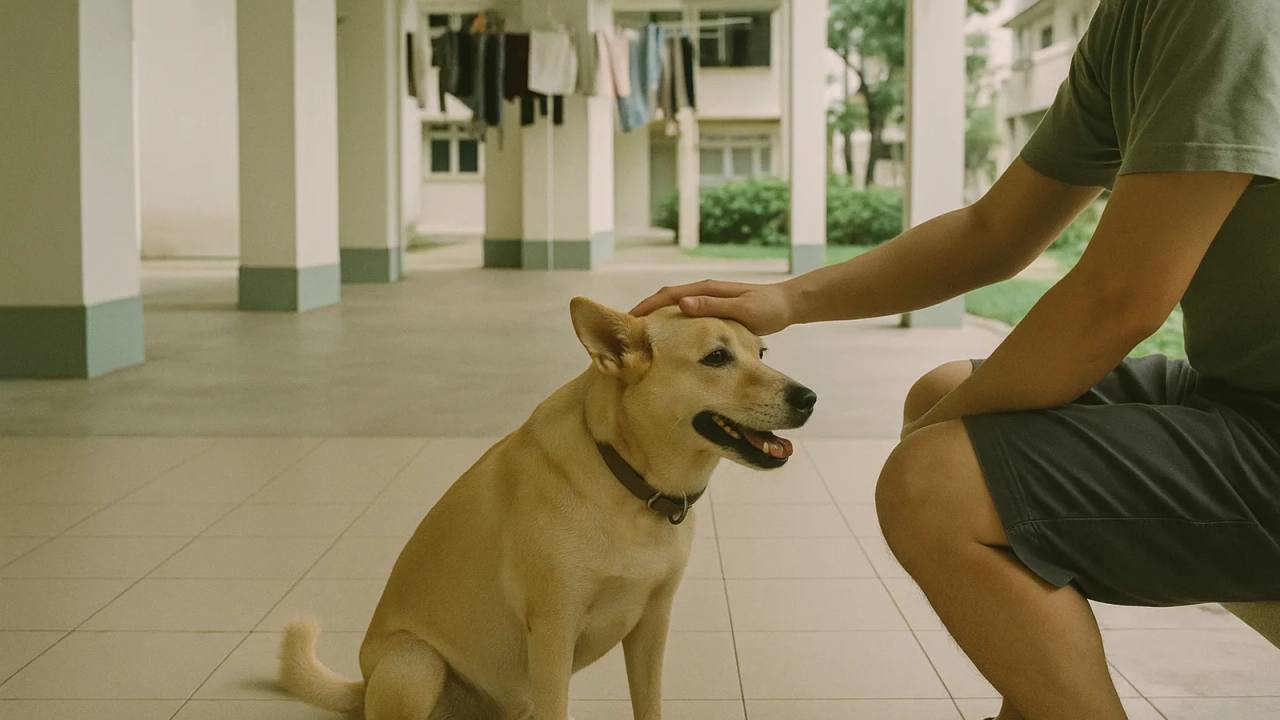
Kennel cough spreads easily in environments with many dogs, such as kennels and dog parks.
Common questions
- Can kennel cough be prevented?
- Vaccination and limiting exposure can reduce risk, but the syndrome involves several organisms and vaccination is not a guarantee. Keep a coughing dog away from other dogs and ask the vet when it is appropriate to return to group activities.
- Is kennel cough contagious to humans?
- Most canine respiratory infections do not commonly infect people, but a blanket “never” is inaccurate. Rare human Bordetella bronchiseptica infections are reported, especially with immune suppression or lung disease. Ask your own clinician about relevant precautions and follow veterinary hygiene advice.
- How long does kennel cough last?
- Duration varies with the cause and individual dog. Ask the vet about reassessment and when contact with other dogs can resume; a cough improving does not prove infectious shedding has ended.
- Can kennel cough resolve on its own?
- Mild cases may resolve without treatment, but veterinary advice is recommended.
- What are common symptoms of kennel cough?
- Persistent cough, sneezing, nasal discharge, and lethargy are common symptoms.
- Is kennel cough dangerous?
- Many uncomplicated cases are mild, but some dogs develop serious illness. Breathing difficulty or deterioration needs urgent veterinary assessment even if vaccination is current.
Sources
- Merck Veterinary Manualmerckvetmanual.com
- Canine infectious respiratory disease, assessment and prevention
- Published human Bordetella bronchiseptica case report, 2023pmc.ncbi.nlm.nih.gov
- Rare human infection, particularly in susceptible patients; not a general population incidence estimate
- VCA: canine respiratory illnessvcahospitals.com
- VCA: canine respiratory illness
How we verify content Fact-checking policy How we stay free