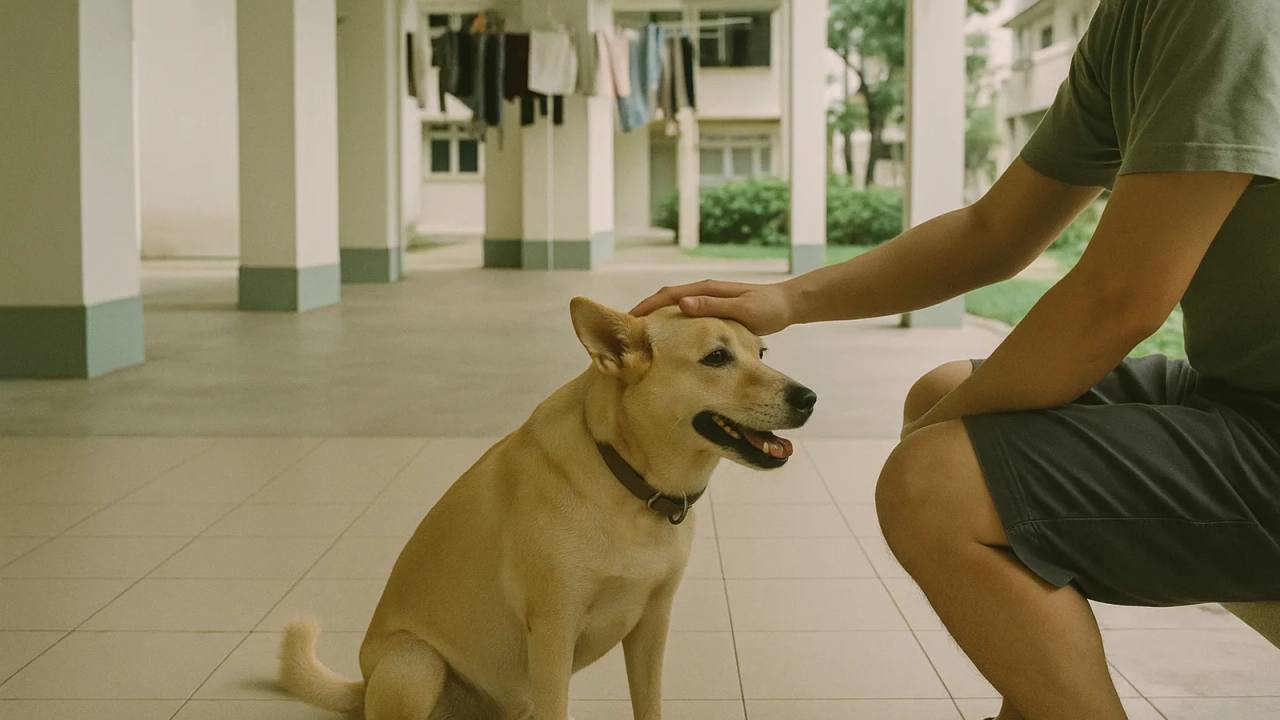


A hot spot is a sore, inflamed skin lesion that needs prompt veterinary advice. Do not wait days, trim it with scissors or test household creams on it. Ask how to prevent licking while arranging assessment.
What Do Hot Spots Look Like?
Hot spots, also known as acute moist dermatitis, are areas on a dog's skin that appear red, inflamed, and moist, often accompanied by oozing. These lesions are usually quite noticeable because of their angry red appearance, which contrasts sharply against the dog's coat. The affected area is typically warm to the touch and may even feel slightly swollen. The moisture on the skin is due to the exudate or pus that seeps from the inflamed tissue, creating an ideal environment for bacteria to thrive, which can exacerbate the condition.
Hair loss is another common symptom associated with hot spots, as the irritation and infection lead to the weakening and eventual loss of hair around the affected area. Dogs often exacerbate this hair loss by licking, scratching, or biting the area, trying to relieve the discomfort. This self-trauma can further irritate the skin and increase the risk of secondary bacterial infections, making the hot spot appear more severe.
Hot spots can appear anywhere on a dog's body, though they are most commonly found on the head, hips, and limbs. Some dogs may experience these lesions around the ears, which can lead to additional discomfort and irritation. The location of a hot spot may provide clues about the underlying cause, such as flea infestations, allergies, or ear infections, which can help in addressing the root issue. Observing your dog's behavior and noting any changes can be crucial in identifying and preventing future occurrences.
A wet, sore or smelly patch needs prompt veterinary advice. Do not wait several days to see whether a guessed treatment works. A photograph can help describe the change when you call, but cannot establish the diagnosis.
Preventing hot spots involves addressing the underlying causes and maintaining good hygiene. Regular grooming can help reduce the risk by keeping the dog's coat clean and free of tangles that can trap moisture. Monitoring for signs of fleas or ticks and managing allergies effectively also plays a crucial role in prevention. By being proactive and attentive to a dog's needs, the likelihood of hot spots developing can be significantly reduced, ensuring your furry friend remains comfortable and healthy. Remember to keep an eye on any changes in your dog's skin condition and seek veterinary advice if necessary.
Why Do Hot Spots Occur?
Hot spots occur when a dog's skin becomes irritated and inflamed, resulting in painful, red patches. A common reason for hot spots is allergies, which can be triggered by various environmental factors such as pollen, dust, and certain foods. Dogs with allergies often experience itchy skin, causing them to scratch incessantly. This scratching can break the skin, allowing bacteria to enter and cause hot spots. Flea bites are another frequent culprit. Fleas not only irritate the skin but also introduce bacteria when dogs scratch and bite at the affected areas. This bacterial introduction can quickly lead to the development of hot spots.
A hot spot is not proof that an owner has neglected grooming. Coat condition and moisture may contribute, but pain, parasites and underlying skin disease can also start the cycle of licking and irritation. The cause needs assessment.
Moisture plays a crucial role in the formation of hot spots. When a dog's skin remains damp, whether from swimming, rain, or excessive licking, it creates a warm and humid environment. Bacteria thrive in such conditions, and their proliferation can rapidly worsen skin irritations. This is why it is important for pet owners in Singapore's humid climate to be particularly vigilant about keeping their dogs dry and well-groomed.
Licking and scratching can worsen a sore area. Addressing the trigger matters, but an allergy test is not a general test for the cause of every hot spot. Your vet chooses investigations after examination and may need to assess parasites, infection or another source of discomfort.
In summary, hot spots in dogs are often the result of a combination of factors, including allergies, flea bites, poor grooming, and underlying skin conditions. Moisture and bacteria significantly contribute to the problem by creating an environment conducive to bacterial growth and skin irritation. By understanding these causes, pet owners can take proactive steps to prevent hot spots, ensuring their furry friends remain comfortable and healthy.
How Can You Treat Hot Spots at Home?
Contact your vet when you suspect a hot spot. While arranging care, ask how to prevent licking and whether any cleaning is appropriate for your dog. Avoid adding antiseptics, creams or household remedies without advice.
Do not attempt to trim a painful lesion with scissors or force clipping at home. The veterinary team can assess how to expose and clean it safely, including whether pain relief or other support is needed.
Use a topical treatment only as directed for this lesion. A generic “pet-safe” label does not establish that the product is appropriate, and human creams or leftover medication can cause harm or complicate assessment.
Ask about a properly fitted protective collar or another suitable way to stop licking. The device must protect the area without causing rubbing or trapping moisture. Check that your dog can eat, drink and rest, and follow the clinic’s advice.
Record when the patch appeared, whether it is spreading and changes in appetite or behaviour. Contact the clinic promptly if it worsens or your dog seems unwell. Once treatment starts, follow the agreed review schedule rather than substituting repeated home remedies.
Do not test new over-the-counter products on an inflamed patch to see whether they help. Tell the vet exactly what has already been applied and when, including shampoos, creams and parasite products.
Home care should support the veterinary plan. Ask for written instructions on cleaning, medication, preventing licking and when to return. This makes it easier for everyone in the household to provide consistent care.
Further reading: Merck Veterinary Manual.
Frequently asked questions
Should I wait a few days before calling?
No. Contact your vet when you suspect a hot spot, especially if it is painful, spreading or your dog seems unwell.
Can I trim it with scissors?
No. Painful skin can be injured during home clipping or trimming. Let the veterinary team decide how to manage the area safely.
Does every hot spot need antibiotics?
No. Your vet assesses whether they are needed and which treatment is appropriate.
Can the problem come back?
Yes. Recurrence is a reason to investigate underlying triggers rather than repeatedly treating only the visible patch.
What should I record for the appointment?
When it appeared, how it changed, licking or scratching, other symptoms and all products already used.
Sources and editorial review
AAHA: allergic skin disease diagnosis and management; PDSA: hot spots and prompt veterinary advice; Animal Trust: hot-spot care and underlying causes. Editorial source review: 12 September 2026. Treatment depends on individual veterinary assessment.
Common questions
- Should I wait a few days before calling?
- No. Contact your vet when you suspect a hot spot, especially if it is painful, spreading or your dog seems unwell.
- Can I trim it with scissors?
- No. Painful skin can be injured during home clipping or trimming. Let the veterinary team decide how to manage the area safely.
- Does every hot spot need antibiotics?
- No. Your vet assesses whether they are needed and which treatment is appropriate.
- Can the problem come back?
- Yes. Recurrence is a reason to investigate underlying triggers rather than repeatedly treating only the visible patch.
- What should I record for the appointment?
- When it appeared, how it changed, licking or scratching, other symptoms and all products already used.
Sources
- AAHA: allergic skin disease diagnosis and managementaaha.org
- AAHA: allergic skin disease diagnosis and management
- PDSA: hot spots and prompt veterinary advicepdsa.org.uk
- PDSA: hot spots and prompt veterinary advice
- Animal Trust: hot-spot care and underlying causesanimaltrust.org.uk
- Animal Trust: hot-spot care and underlying causes
How we verify content Fact-checking policy How we stay free