Eye conditions in dogs often manifest through visible symptoms such as redness, swelling, discharge, and squinting. When your dog starts showing these signs, it's crucial to pay attention to the severity and persistence of these symptoms. Redness can indicate anything from minor irritations caused by dust or allergens to more serious infections like conjunctivitis. Swelling around the eyes might suggest an allergic reaction, an injury, or an underlying infection.
What do eye conditions in dogs look like?
Eye conditions in dogs often manifest through visible symptoms such as redness, swelling, discharge, and squinting. When your dog starts showing these signs, it's crucial to pay attention to the severity and persistence of these symptoms. Redness can indicate anything from minor irritations caused by dust or allergens to more serious infections like conjunctivitis. Swelling around the eyes might suggest an allergic reaction, an injury, or an underlying infection.
Discharge, blinking, rubbing and changes in eye appearance give your vet useful clues, but colour alone cannot distinguish infection from an injury or other disease. A watery eye is not necessarily mild. Sudden vision change, trauma or marked discomfort needs prompt professional assessment, rather than a wait to see whether discharge changes colour.
A red or painful eye cannot safely be diagnosed as minor at home. Contact your vet when you notice a change, particularly squinting, an eye held closed, cloudiness, injury or apparent loss of vision. Do not trial over-the-counter or leftover eye drops: some medicines, including steroid-containing drops, can worsen a corneal ulcer.
Besides physical symptoms, behavioural changes can also indicate discomfort or pain. A dog experiencing eye problems may rub its face against furniture or with its paws more frequently. You might notice your pet avoiding bright lights or becoming more hesitant to engage in activities it usually enjoys. Changes in appetite or sleep patterns can also be subtle signs that your dog is in discomfort.
Regular check-ups with a veterinarian are vital in identifying and treating eye conditions early. By observing your dog's eyes and behaviour closely, you can help ensure that any potential issues are addressed before they become severe. For more detailed guidance on eye health and conditions, you can refer to the American Veterinary Medical Association, which offers comprehensive resources for pet owners.
- Redness: Can indicate irritation or infection.
- Swelling: Might be due to injury or an allergic reaction.
- Discharge: describe its colour and amount to the vet; appearance alone cannot identify the cause.
- Squinting: Often a sign of discomfort or a foreign object.
- Behavioural changes: Rubbing face, avoiding light, reduced activity.
Being proactive about your dog's eye health can prevent minor issues from developing into serious conditions. Always consult a veterinarian if you're unsure about the symptoms your dog is exhibiting. Prompt action can make a significant difference in your pet's comfort and overall well-being.
Why do dogs develop eye conditions?
Dogs develop eye conditions due to a variety of factors including genetic predispositions, environmental influences, infections, and age-related changes. Certain breeds are more prone to specific eye issues due to their genetic makeup. For instance, breeds like Pugs and Bulldogs often experience problems such as corneal ulcers and dry eye due to the structure of their eyes. Similarly, breeds like Cocker Spaniels and Basset Hounds are known to have a higher risk of developing glaucoma or cataracts. These breed-specific risks highlight the importance of understanding genetic factors in managing your dog's eye health.
Environmental factors also play a significant role in the development of eye conditions in dogs. Allergens like pollen, dust, and mold can irritate a dog's eyes, leading to conditions such as conjunctivitis. In Singapore's humid climate, these allergens are quite prevalent, making it essential for pet owners to regularly clean their dogs' surroundings. Injuries are another environmental factor that cannot be overlooked. Dogs that are active or curious can easily injure their eyes while exploring or playing. Scratches or foreign objects in the eye can lead to infections or more serious complications if not promptly addressed.
Infections are a common cause of eye conditions in dogs. Bacterial, viral, or fungal infections can all lead to inflammation and discomfort. Regular veterinary check-ups can help detect these infections early, allowing for timely treatment. The American Animal Hospital Association emphasises the importance of preventive care in maintaining eye health, underscoring the need for routine eye examinations by a qualified veterinarian.
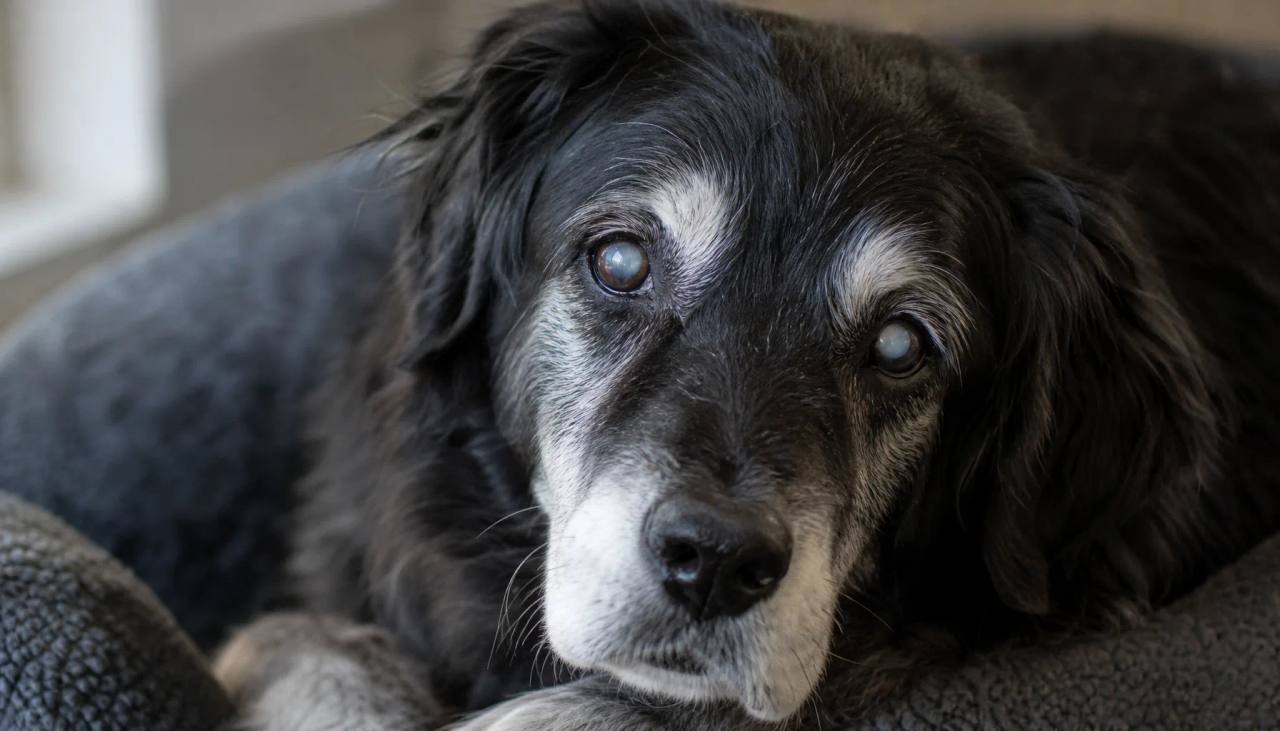
As dogs age, they may experience changes in their eyes that contribute to the development of conditions like cataracts or lens sclerosis. These age-related changes can affect vision and quality of life. Understanding the role of age in eye health is crucial for providing appropriate senior care to older dogs. Regular monitoring and veterinary advice can help manage these changes effectively, ensuring that your senior dog maintains a good quality of life.
In conclusion, a combination of genetic predispositions, environmental factors, infections, and age-related changes contribute to the development of eye conditions in dogs. Being aware of these factors can help pet owners take proactive steps in managing their dogs' eye health. Regular veterinary check-ups, a clean environment, and appropriate care for senior dogs are key strategies in preventing and addressing eye conditions in your furry friend.
What can you do at home for your dog's eye health?
To take care of your dog's eye health at home, make sure to maintain regular cleaning and grooming routines. Keeping your dog's face clean is crucial. Use a damp, soft cloth to gently wipe away any discharge or debris from around the eyes. Be careful not to touch the eyeball directly as this could cause irritation. Regular grooming is essential, especially for dogs with long hair. Ask a vet or experienced groomer to manage hair near the eyes; do not use scissors beside the eye of a moving dog.
Using vet-recommended products for eye care is another important step. Consult your vet to find out which products are best suited for your dog's needs. They might recommend specific eye wipes, saline solutions, or even lubricating drops to keep your dog's eyes moist and clean. Always follow the instructions provided by your vet to ensure you're using these products safely and effectively. For more guidance on veterinary standards, you can refer to the RCVS for reliable information.
Monitoring for changes in your dog's eyes and keeping a symptom diary can help catch potential issues early. Look out for signs like redness, excessive tearing, cloudiness, or any changes in your dog's behaviour that might indicate discomfort. If you notice anything unusual, write it down along with the date and any other relevant details. This record will be helpful during vet visits as it provides a clear history of your dog's eye health. Keeping a symptom diary can also help you maintain a steady daily routine by allowing you to track any patterns or triggers that might affect your dog's eye condition.
- Regularly clean your dog's eyes with a damp cloth, avoiding direct contact with the eyeball.
- Arrange professional grooming where facial hair is contacting the eye; avoid scissors near a moving dog’s eye.
- Consult your vet for recommended eye care products and follow their usage instructions carefully.
- Keep an eye out for changes such as redness or excessive tearing and note them in a symptom diary.
- Use the diary to track patterns and discuss any concerns with your vet during check-ups.
By following these steps, you can actively contribute to maintaining your dog's eye health. Regular care and attention at home, combined with professional advice, can prevent many common eye problems and keep your furry friend comfortable and happy. Remember that early intervention is key, so do not hesitate to consult your vet if you have any concerns.
Sources and editorial review
VCA: urgency of eye signs; VCA: corneal ulcers and medication precautions. Editorial source review: 12 September 2026. Treatment decisions require your veterinarian.
Common questions
- What are common eye conditions in dogs?
- Common eye conditions include conjunctivitis, cataracts, glaucoma, corneal ulcers, and dry eye.
- How can I prevent eye conditions in my dog?
- Regular vet check-ups, maintaining eye hygiene, and protecting eyes from irritants can help prevent issues.
- Can eye conditions in dogs be treated at home?
- Have the cause diagnosed before using drops or other treatment. Do not use human or leftover eye medicines without veterinary direction; pain, squinting, injury or vision change needs prompt assessment.
- Are certain breeds more prone to eye problems?
- Yes, breeds with prominent eyes like Pugs and Bulldogs are more susceptible to eye conditions.
- What should I do if my dog's eye condition worsens?
- Contact your vet promptly. Do not wait for worsening if the eye is painful, held closed, cloudy, injured or vision appears affected.
- Can eye conditions lead to blindness in dogs?
- Untreated severe conditions like glaucoma can lead to vision loss, so early intervention is key.
Sources
- VCA: urgency of eye signsvcahospitals.com
- Source for the qualified guidance linked in the article.
- VCA: corneal ulcers and medication precautionsvcahospitals.com
- Source for the qualified guidance linked in the article.
How we verify content Fact-checking policy How we stay free