


Help your puppy learn about people, sounds and everyday Singapore life at a comfortable pace. Plan safe early experiences with your vet, then keep building confidence as your dog grows.
6 min read · Updated 15 September 2026
A lift bell, a neighbour with an umbrella, the rubbish trolley passing outside: everyday life gives a Singapore puppy plenty to learn about. Socialisation means helping those experiences feel manageable. It is not a competition to meet the most dogs or collect the most photographs.
Early learning matters, and learning continues
The American Veterinary Society of Animal Behavior (AVSAB) identifies the first three months as an especially important period. It supports safe, positive socialisation before full vaccination, avoiding overwhelming exposure. Puppies beyond that age should continue learning; a birthday does not make improvement impossible.
There is no need to turn this into a countdown that frightens you into doing too much. Begin with the puppy in front of you. Note which experiences are comfortable and where you need more distance or a quieter setting. An older puppy or adopted adult can still benefit from a thoughtful plan, with professional help if fear is already a problem.
Agree a vaccination and exposure plan with your vet
AVSAB says suitable classes may begin at seven to eight weeks, after at least one vaccine set given seven days earlier and initial deworming, with vaccines kept current. Those are general behavioural recommendations, not permission to ignore your vet's assessment or a Singapore provider's entry rules.
Ask your vet which activities suit your puppy's health, vaccination record and local infection risk. Distinguish a controlled class, a visit to a known household and a busy public dog run. Do not substitute a universal calendar from an article for that discussion. Ask when and where ground contact is appropriate and what to avoid while protection develops.
You can discuss observing from a secure carrier or your arms, inviting a suitable visitor home and exploring clean surfaces indoors. Carrying can be part of the plan; it is not automatically overprotective. It also does not remove every exposure risk. Keep the puppy comfortable and secure, and avoid situations where carrying makes handling unsafe.
AVSAB advises avoiding heavily used areas with dogs of unknown health or vaccination status and recommends cleanable class environments. Check the current arrangements before attending. Keep an unwell puppy home and contact your vet rather than treating attendance as essential to meeting a deadline.
A small, practical Singapore exposure list
Choose one manageable experience, then allow rest. The examples below are prompts for planning with your vet or trainer, not a required quota or permission to enter a particular venue.
- At home: a visitor seated quietly, an umbrella opening at a comfortable distance, a different safe floor surface, or a household sound at low intensity. Secure cables and keep small objects out of reach.
- Near the entrance: watch a delivery trolley or hear the lift from a distance where the puppy remains comfortable. Do not obstruct neighbours, doorways or emergency access.
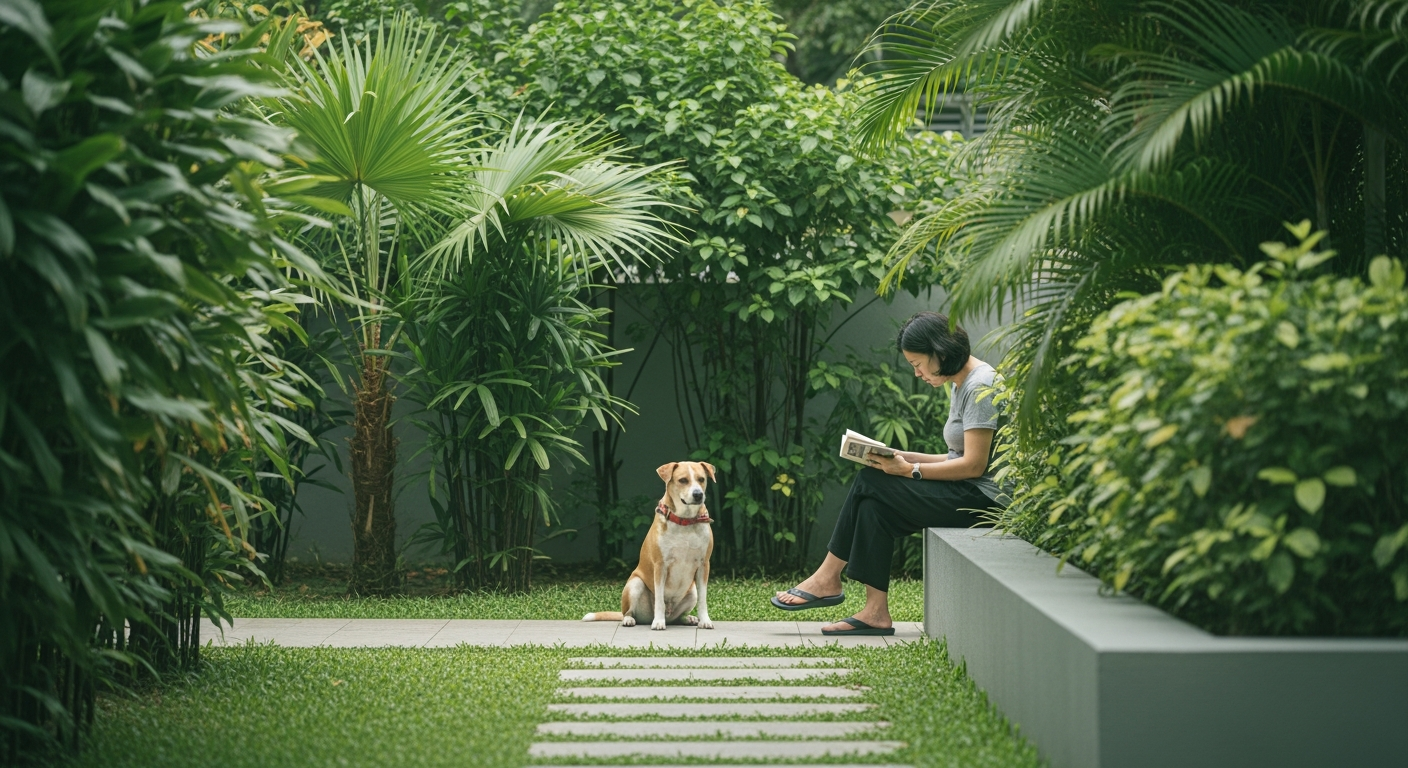
- With familiar people: let the puppy choose whether to approach. A calm person reading nearby can be a useful experience without touching the puppy at all.
- With an appropriate dog: agree the setting, health precautions and supervision in advance. A greeting is optional; calm observation at a distance can be the activity.
- For future care: ask the clinic about a quiet introductory visit. At home, practise brief, gentle handling with pauses, rather than holding the puppy still until it stops objecting.
- Outdoors when appropriate: choose a quiet, permitted location with room to move away. Check current pet-access rules and weather. A crowded event is not a necessary milestone.
Keep a simple note: what happened, how close you were, what the puppy did and what you will change next time. “Watched a trolley from the doorway and then settled” tells you more than a tick beside “trolley”. It also gives a trainer something concrete to work with.
Make the lift ordinary, at the puppy's pace
Start far enough away that the sound and movement of the doors are manageable. You might reward a brief look, then return home. A later session may involve approaching more closely. Only try a ride when you can handle the puppy securely and allow other people space.
Keep leads clear of closing doors and do not wedge doors open for training. Avoid a crowded lift and step away if someone is uncomfortable around dogs. A neighbour's cooperation is welcome, but nobody needs to participate. There is no fixed number of sessions that guarantees success.
If a ride becomes overwhelming, end it safely and make the next attempt easier. Quiet observation elsewhere may be a better use of that day. Ask a reward-based trainer for help if your building's layout makes it difficult to practise without pressure.
Quality matters more than collecting encounters
Give the puppy room to disengage. Do not lure it into contact it is trying to avoid or insist that strangers stroke it. Arrange short sessions with opportunities to rest, and choose rewards that fit its diet and preferences.
Watch changes in movement, posture and willingness to engage. If the puppy freezes, retreats or tries to escape, reduce the intensity and get help when needed. Taking food alone is not proof that every part of the experience is comfortable. Share videos or notes with your vet or trainer when you are unsure.
New fear is not automatically a harmless adolescent phase. Pain, illness, an upsetting experience and changes in the environment may need consideration. Consult your vet for a sudden or persistent change, and avoid punishing fearful behaviour.
Frequently asked questions
My puppy is already fourteen weeks old. Have I missed my chance?
No. Continue with manageable, positive experiences. Earlier learning matters, but development does not stop at a fixed birthday. Seek individual help if your puppy is fearful.
Should I ignore my vet's advice about going outside?
No. Ask your vet to help distinguish higher-risk places from controlled activities that are appropriate now. Share your socialisation goals and the puppy's actual records so you can agree a practical plan.
Does my puppy have to greet every person or dog?
No. Watching comfortably without approaching is useful too. Leave space, allow the puppy to disengage and respect other people and animals.
What should I ask a puppy-class provider?
Ask about health and vaccination requirements, cleaning, group size, how fearful puppies are supported and whether interaction is optional. Confirm suitability with your vet. Avoid a class that relies on forced contact or punishment.
Source and editorial review
AVSAB puppy socialisation position statement, reviewed 15 September 2026. The local examples are practical suggestions to adapt to your puppy, premises rules and veterinary advice. This article does not certify a class or replace an individual health assessment.
Start with a quiet moment together →A small idea to try, with progress kept in your Pack.
More dog-friendly guides
-
 What owning a dog actually costs in year one Plan your first year around the dog you are bringing home. Separate setup purchases, regular care and emergency savings, check what adoption fees already cover, and replace estimates with current quotes before committing.
-
 HDB approved dog breeds: what you need to know before you choose HDB ordinarily permits one dog from its approved list, including crosses of two listed breeds. Project ADORE and written-permission provisions cover separate cases. Check housing eligibility, AVS licensing and the individual dog’s care needs before committing.
-
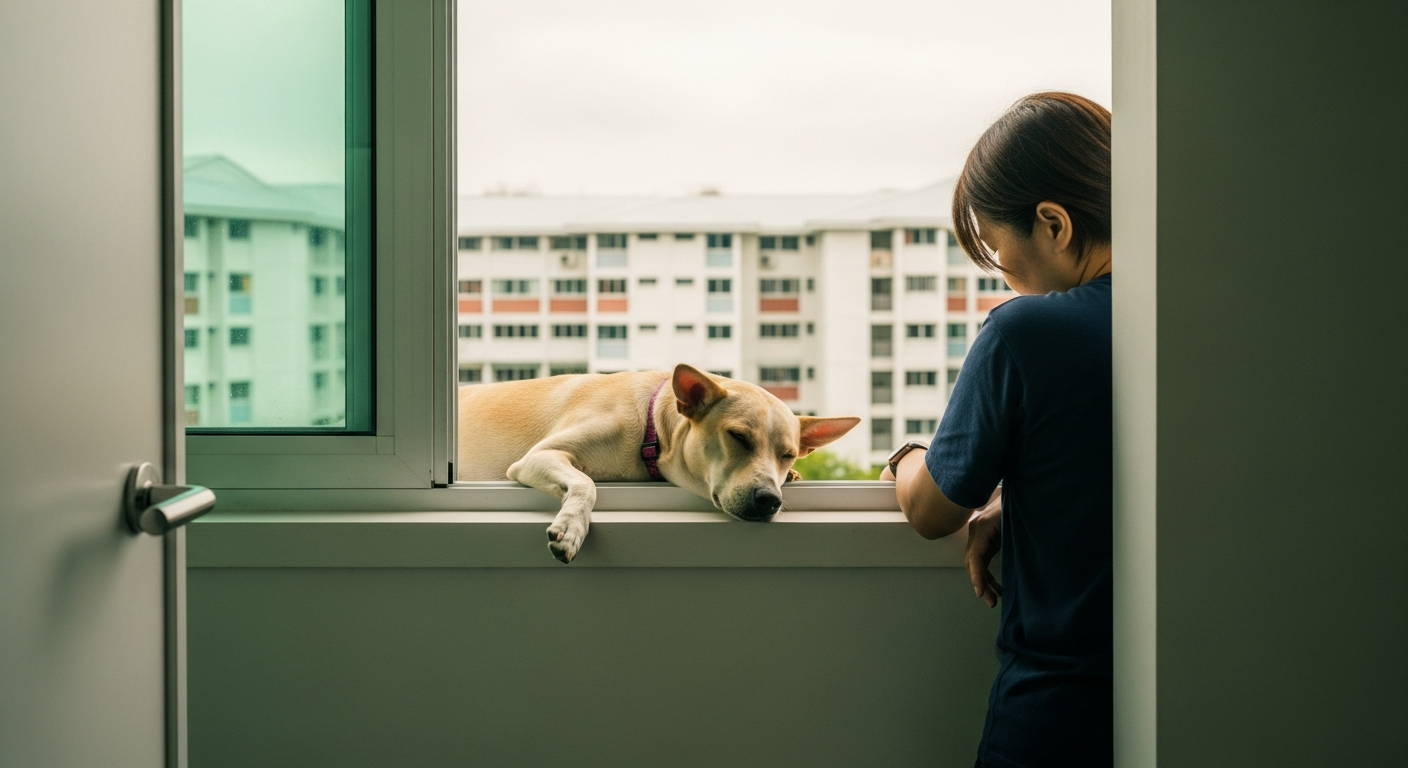 Adoption or buying in Singapore: fees, care and questions to ask Compare the written arrangement: what care has already happened, what your payment includes and what remains to arrange. Neither route guarantees health, temperament or a match for your household.
-
 How long can you leave a dog alone in an HDB flat? Plan time alone around your individual dog's comfort, toilet needs and reliable care. A full working day needs a support plan, not a blanket six-to-eight-hour allowance.