

8 min read
Last updated First published 11 July 2026
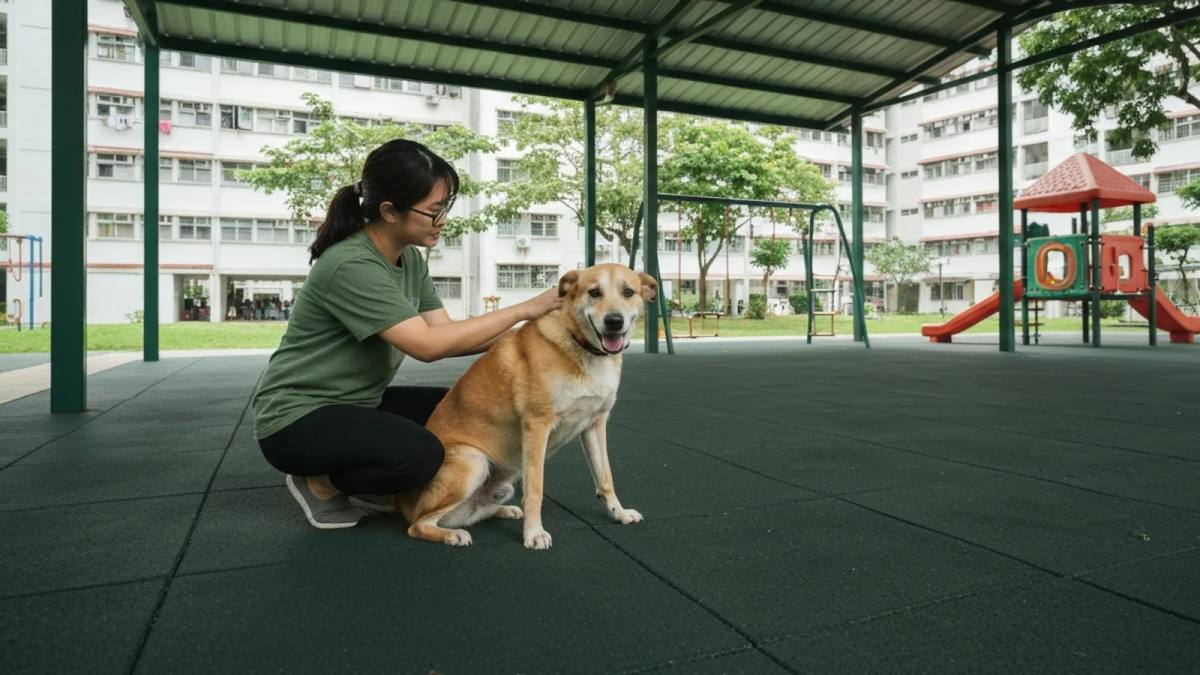
Helping your puppy feel comfortable in Singapore starts with manageable, positive experiences. Early socialisation matters, but learning does not stop when the first months have passed.
When does the puppy socialisation window close?
Early socialisation matters, but there is no birthday after which a dog becomes unable to learn. AVSAB identifies the first three months as especially important and explicitly encourages continued socialisation afterwards. An older puppy or newly adopted adult is not a lost cause.
The aim is comfortable familiarity, not collecting the largest number of encounters. Watching a bicycle pass without needing to approach it can be a useful experience. Being held in place while strangers crowd around is a very different one. Build from what your puppy can manage, rather than trying to catch up against a deadline.
Can we start before vaccinations are complete?
Discuss a plan with your own vet. AVSAB supports appropriate early socialisation before the vaccination course is complete. Its class guidance describes a first vaccine set at least seven days beforehand and initial deworming, with vaccines kept current. This is not an automatic clearance for every puppy or every public space.
Ask which settings suit your puppy's health, vaccination history and local infection risks. A clean, managed class and a busy dog run are not interchangeable. Carrying your puppy can reduce some contact with contaminated ground, but does not make an outing risk-free. Avoid unknown dogs, shared bowls and heavily used dog areas until your vet advises otherwise.
Make your first vet conversation specific: “Can we visit this class? Can our puppy meet this friend's dog? Where can we practise toileting and walking?” Take the class's health and cleaning policy with you. See the vaccination guide for questions to bring to that appointment.
A Singapore exposure list you can adapt
These are practical starting ideas, not a prescribed daily quota. Choose settings your vet has cleared, and let your puppy move away. The AKC's socialisation guide also recommends gradual introductions and positive experiences rather than doing too much at once.
- The lift: begin by observing from a quiet distance. Plan where you will stand and how to leave if the lift is crowded. Do not block neighbours or insist on a ride when your puppy is distressed.
- The corridor and void deck: pick a quiet time and keep passageways clear. A delivery trolley can be watched from farther away before trying a closer encounter.
- Bicycles and runners: choose a position away from the main flow. The goal is to notice them while remaining comfortable, not to greet or chase them.
- People: ask visitors to let the puppy choose whether to approach. Children need active adult supervision; nobody should pull, corner or pick up the puppy for a photo.
- Other dogs: ask your vet about suitable meetings with known, healthy dogs. Check the other dog's comfort too. A calm parallel observation can be preferable to immediate face-to-face play.
- Surfaces and household sounds: start in your own clean space. Offer an easy route around an unfamiliar surface. Introduce sounds gently rather than turning the volume up to test tolerance.
- Handling and equipment: include comfortable experiences around the carrier, harness and care equipment. Ask your vet or trainer to demonstrate how to practise without restraining a struggling puppy.
How do I know when to pause?
Persistent hiding, freezing or attempts to escape are reasons to stop and reassess, not to demand one more successful repetition. Move to a quieter setting and give your puppy space. A puppy accepting food is not, by itself, proof that the situation is comfortable.
Use rewards your puppy enjoys without luring them into an interaction they are trying to avoid. Food is one option; play and space can matter too. Count food rewards within the day's feeding plan. Our dense-city socialisation guide offers more context for everyday outings.
Keep a record of comfort, not just a tick list
A useful household note has four parts: what happened, where it happened, how the puppy responded and what you will change next time. For example: “Watched a trolley from the lobby entrance; moved behind me when it rattled; next time start farther from the door.” That is more informative than marking “trolleys completed”.
Share the note with everyone who handles the puppy so one person does not repeat an experience that another has just found difficult. Include quieter days and rest. There is no need to turn every walk into a test or every visitor into a training session.
When should I get help, and how do I choose it?
Seek veterinary advice for persistent fear, distress or a sudden change in behaviour. A reward-based trainer can help design manageable steps and work alongside the vet when needed. AVSAB recommends reward-based methods; a named framework on a website is not a substitute for checking what actually happens in class.
Ask about class size, vaccination checks, cleaning, how fearful puppies are supported, equipment used, and whether you can observe a session. Obtain a current written quote showing session length, assessment charges, follow-up and cancellation terms. The old price ranges here were not tied to current provider quotations and have been removed. A residential programme is not automatically the right response to a frightened puppy.
Frequently asked questions
- Have I missed my chance with an older puppy?
- No. Early experiences are important, but learning continues. Work from your dog's current comfort and seek help for persistent fear.
- Does socialisation mean meeting every dog?
- No. Calmly observing another dog at a comfortable distance can be a useful step. Avoid forced greetings.
- Does carrying my puppy make an outing safe?
- It reduces some contact with the ground but does not remove every risk. Ask your vet which settings are appropriate.
- What should I record after an outing?
- Record the setting, the puppy's response and the adjustment for next time, rather than marking an experience permanently completed.
- Should I use punishment when my puppy is frightened?
- No. Create space and seek reward-based professional guidance rather than forcing the puppy through the situation.
- How much does a class cost?
- Ask the provider for a current itemised quote, including assessment, session duration and follow-up. Compare the approach and support as well as the price.
Editorial source review: 12 September 2026. The local practice examples are suggestions to adapt with your vet or trainer, not a clinical treatment plan.
Start with a quiet moment together →A small idea to try, with progress kept in your Pack.
More training guides
-
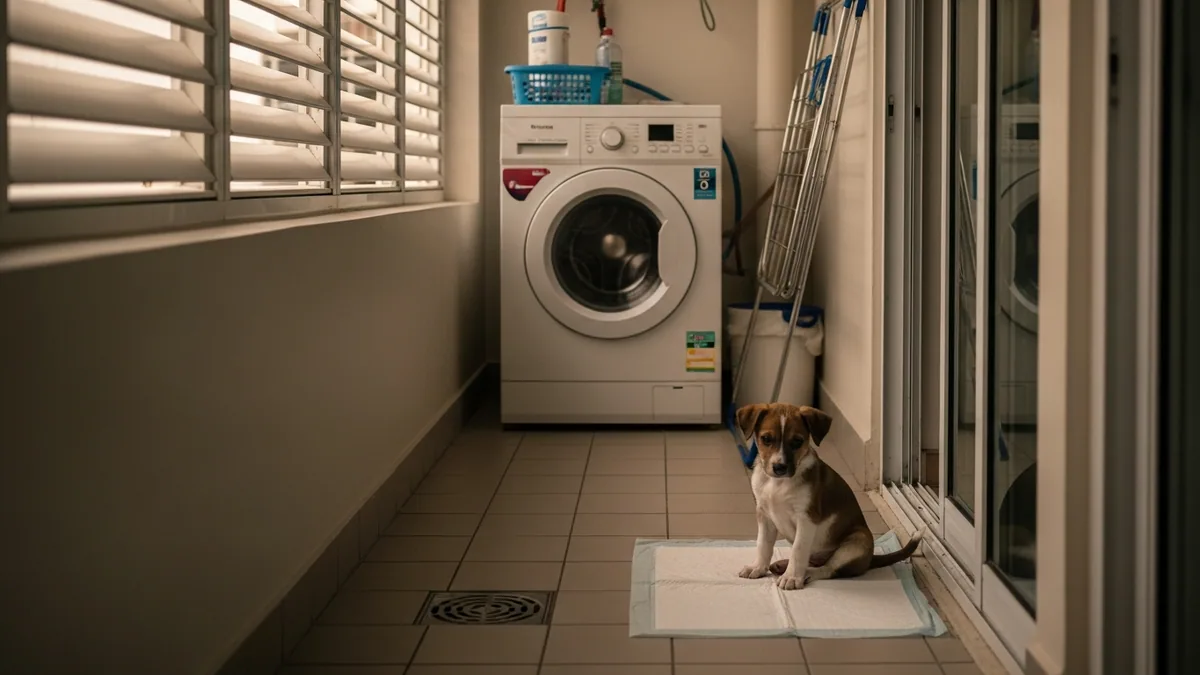 Toilet training the apartment way No garden, no driveway, just a tiled floor and a lift that takes two minutes to arrive. Here is how to toilet train a puppy in a Singapore flat without losing your mind.
-
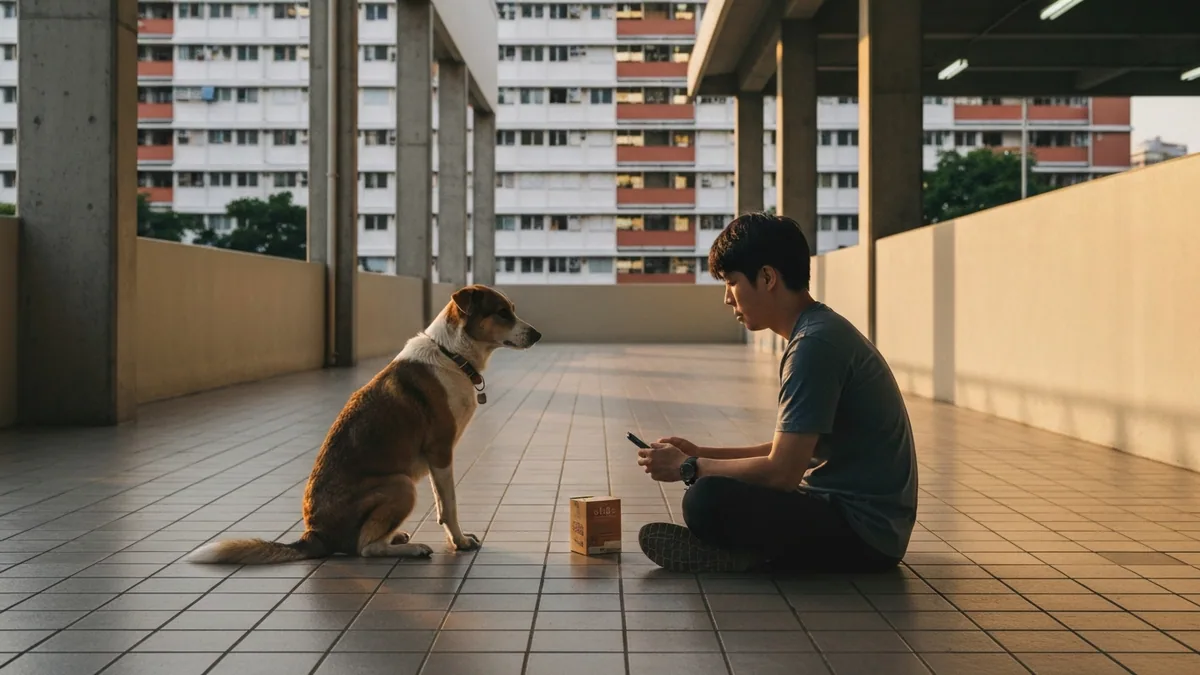 Clicker basics A clicker is a timing tool, nothing more and nothing less. Learn to use it well in a small Singapore flat and you will have the clearest, most efficient communication method available for teaching your dog almost anything.
-
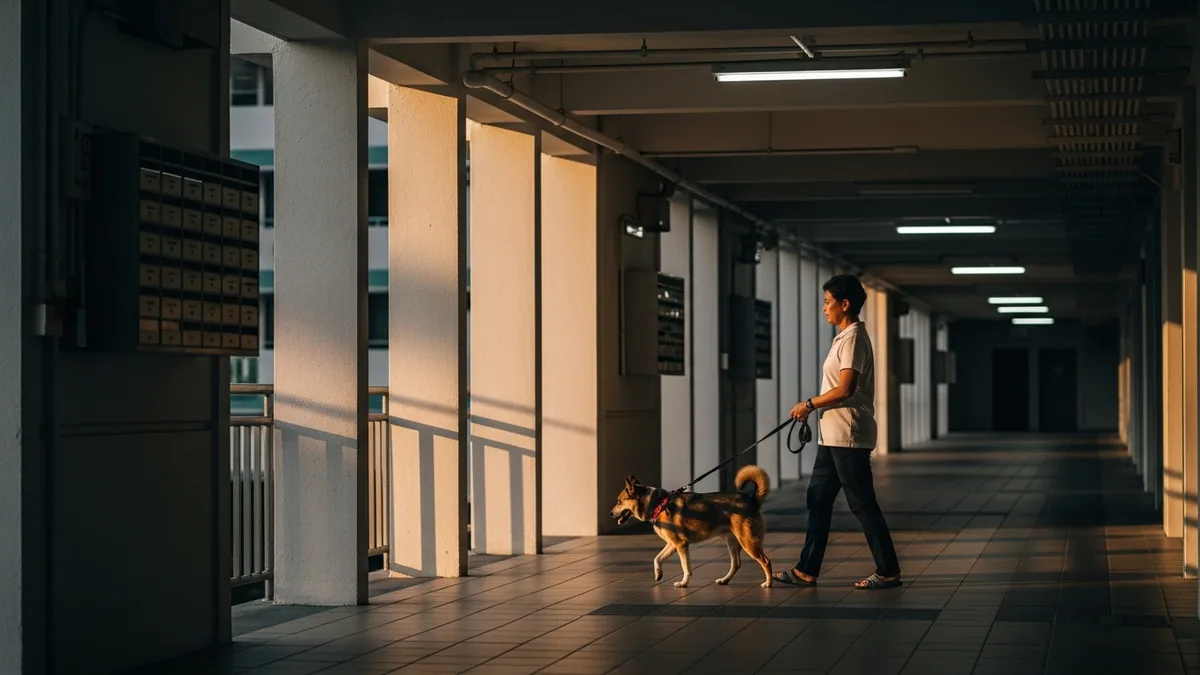 Loose-leash walking in Singapore’s shared spaces Start with room, reward a slack lead and make the task easier when your dog struggles. Lift lobbies, narrow pavements and crossings need practical choices, not a perfect heel or a fixed timetable.
-
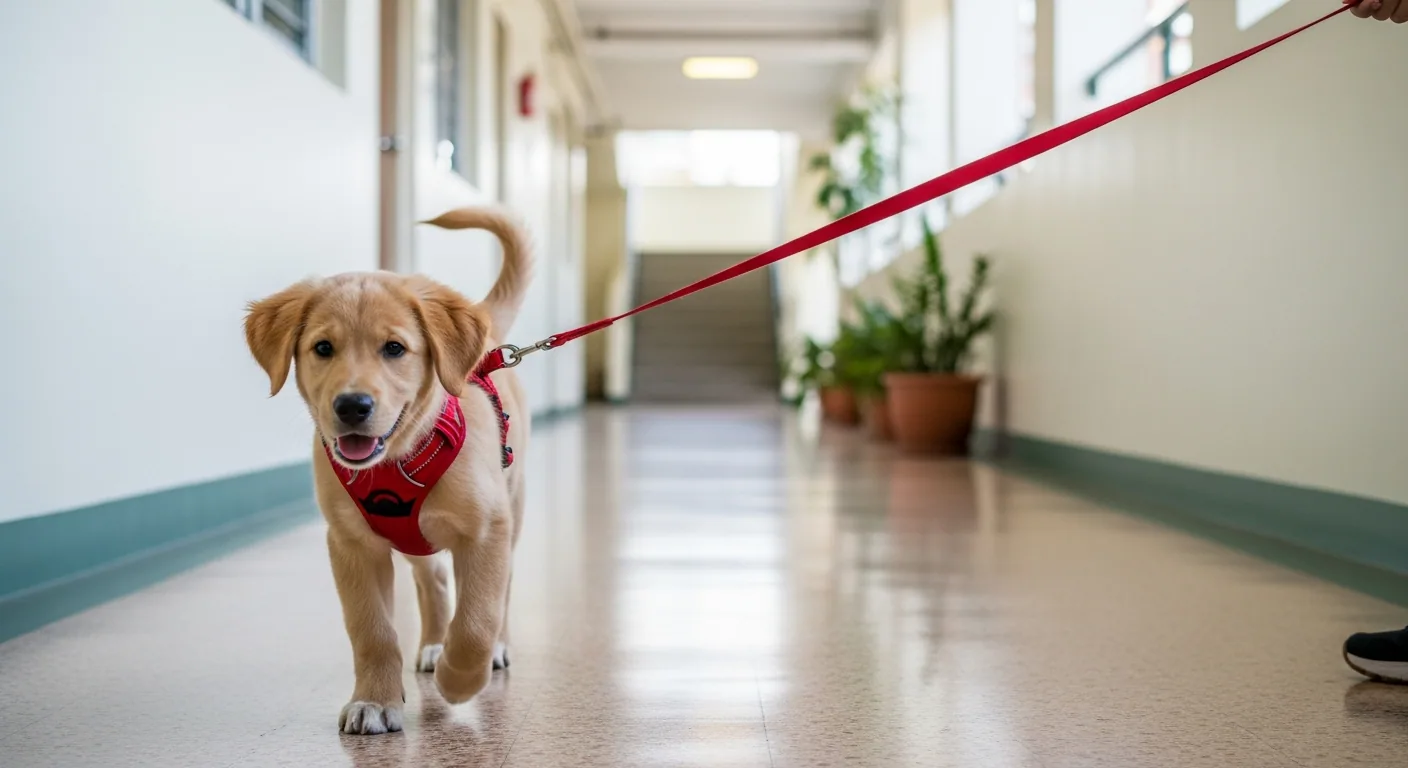 Leash Training a New Dog or Puppy in Singapore Getting a brand-new dog or puppy happy on a leash is a gentle, gradual job, not a one-session fix. Start indoors, reward the position you want, and let your dog set the pace through HDB corridors, lifts and the Singapore heat. This starter guide covers collar and harness choice, first steps, and how to handle pulling and lunging kindly.