
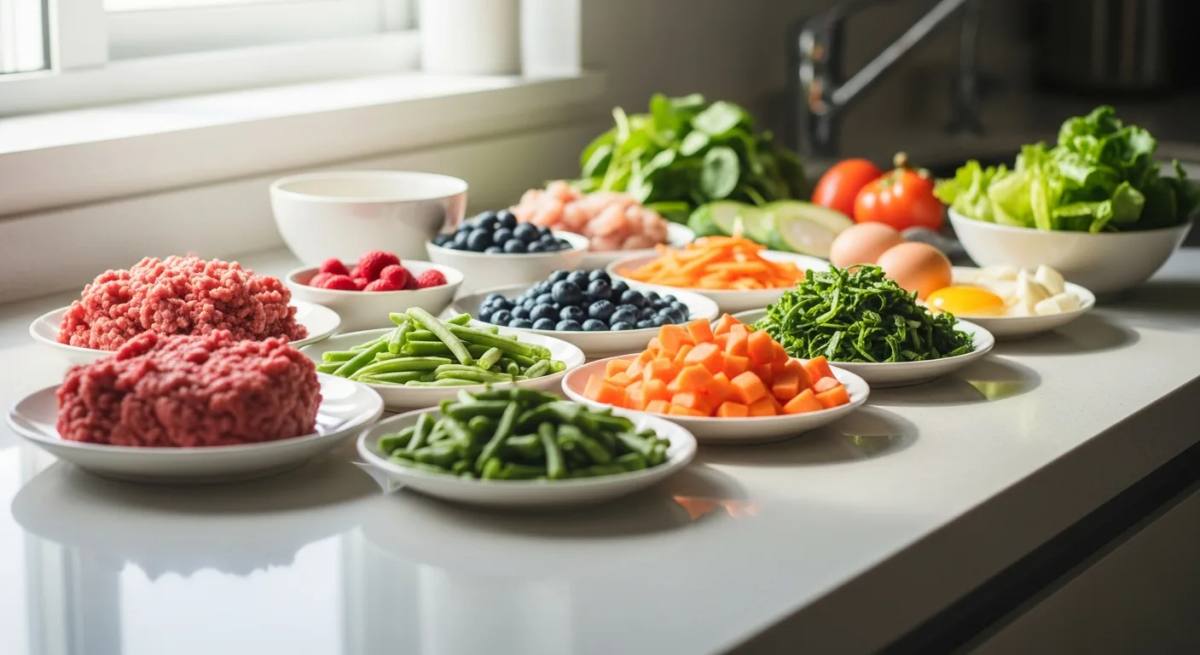

Raw feeding is not proven to be healthier than an appropriate balanced cooked diet. CDC advises against raw pet food because of risks to animals and people. Nutritional formulation, cold storage and careful cleaning do not remove every infection hazard. A complete cooked diet is a practical starting point for discussing your dog's needs with your vet.
5 min read
Raw feeding is not proven to be healthier than an appropriate balanced cooked diet. CDC advises against raw pet food because of risks to animals and people. Nutritional formulation, cold storage and careful cleaning do not remove every infection hazard. A complete cooked diet is a practical starting point for discussing your dog's needs with your vet.
If you already feed raw, this is a conversation to have honestly, without blame. Bring the exact product details and explain what attracted you to it. The next plan should address what you want for your dog while taking the household's health and practical routine into account.
What counts as raw?
Uncooked meat, organs and bones may be offered as home-assembled meals, frozen commercial food or raw treats. Freeze-dried raw remains relevant to the discussion even if it looks like a dry snack. Processing varies between products, so ask what the manufacturer actually does rather than relying on the appearance of the food.
A complete meal and a supplemental topper have different nutritional purposes. A percentage of meat on the front of a pack does not establish adequacy for the whole diet. Identify every product, including the small training rewards that may be easy to overlook.
Three separate risks
Infection: raw animal ingredients can carry pathogens. The dog may become ill, and contamination or shedding can expose people. A dog looking healthy does not certify the meal is safe. Freezing and freeze-drying should not be assumed to eliminate bacteria.
Nutrition: a plausible-looking mix of meat, organs and vegetables may still have inappropriate nutrient amounts and ratios. Growth makes getting the formulation right especially important. A professionally calculated recipe addresses nutritional design, but it does not itself remove pathogens from uncooked ingredients.
Physical injury: raw bones can damage teeth or cause obstruction and other injury. This is not limited to cooked bones or weight-bearing bones. A bone should not be promoted as a safe substitute for a veterinary dental-care plan.
Claims to question before buying
Ask what supports a claim of better health. An owner reporting a shinier coat or smaller stool is describing an observation; it does not demonstrate that uncooked food is medically superior. Nor does enthusiasm at the bowl measure long-term safety.
Separate claims about nutrition from claims about processing. If a product says complete, ask which life stage and standard it meets. If it claims pathogen control, ask about the actual process and testing. Do not turn those answers into a guarantee for every bag or into an editorial approval badge.
Imported, premium and human-grade wording should not replace these questions. Keep the reply with the exact formulation and date, since a brand may sell several different formats.
Think about everyone at home
A feeding decision affects the shared kitchen and anyone who handles bowls or cleans up after the dog. CDC highlights greater vulnerability in young children, older adults and people with weakened immunity. Ask about those risks openly rather than assuming a separate chopping board settles the issue.
Draw the route food takes through your home: delivery, storage, preparation, bowl and cleanup. This is a practical way to find avoidable handling problems, but no household checklist can establish that a raw product is pathogen-free.
Singapore deliveries and storage
Follow the product's storage instructions and inspect delivered packaging promptly. Keep identifying information, including the lot and expiry, available if there is a problem. Arrange delivery for when someone can receive it and ask the supplier what happens after a damaged pack or a failed chilled delivery.
For dry food, FDA recommends retaining the original bag; it can be placed inside a clean container. If transferring food, preserve the label details and clean and dry the container between batches. Do not add fresh food on top of old residue. Refrigerate or discard opened wet food as directed rather than using a universal shelf-life from a different product.
A smaller order may be easier to store properly than a bulk promotion. Include delivery, waste and storage space in the cost comparison, not just the headline price.
If you want home-prepared meals
Discuss a complete cooked recipe from a suitably qualified veterinary nutrition professional. Explain the ingredients and preparation you can reliably manage. Follow the recipe and supplements exactly; check before substituting ingredients, omitting a supplement or changing the serving amount.
If your dog has a diagnosed condition, the recipe needs to fit that care plan. A general feeding calculator or a recipe shared online cannot take the place of that assessment.
Changing an existing raw-feeding routine
Ask your vet for an appropriate cooked alternative and transition plan. Explain previous digestive problems, allergies or prescription diets before changing food. Do not force hunger to make a dog accept a replacement. Contact the clinic if appetite falls, vomiting or diarrhoea develops, or your dog seems unwell.
Keep the food packaging and timing details if you suspect an illness connected with a product. Seek advice rather than trying to make a suspect batch safe at home. The objective is a sustainable, adequate diet with a clear plan for concerns, not defending a label or a feeding philosophy.
Frequently asked questions
Is raw dog food proven healthier than cooked food?
No. WSAVA reports no evidence that raw meat diets are healthier than balanced cooked diets.
Does a professionally formulated raw recipe remove infection risk?
No. Nutritional formulation and pathogen control are different issues.
Are raw bones harmless if they are not weight-bearing bones?
No. Raw bones can still cause dental damage, obstruction and other injury.
Does freeze-drying guarantee a pathogen-free treat?
No. Do not assume freeze-dried raw products are sterile.
What should I do if I want to stop raw feeding?
Discuss a suitable complete cooked alternative and an individual transition plan with your vet.
Sources and editorial review
WSAVA raw-diet evidence and risks; CDC household food safety; FDA storage and traceability. Editorial source review: 12 September 2026. Individual nutrition and treatment require veterinary advice.
More from The Block
-
 Dog supplements in Singapore: what helps and what to skip Most healthy dogs on a complete diet need no supplements. A few have real evidence; many are marketing. How to tell them apart, and why to ask your vet first.
-
 Flying with your dog from Singapore: cabin, cargo and relocation (2026) Start with the operating airline and exact route. A pet may travel in the cabin, as checked baggage or through a cargo arrangement depending on the carrier and journey. Confirm acceptance before buying equipment or treating your own flight booking as a pet booking.
-
 Choosing a dog for an HDB flat: eligibility, adoption and everyday care A dog can become a much-loved part of flat life. Start by checking eligibility for your actual home, then choose for the individual dog’s needs and the daily care you can offer. A small body or a seller’s assurance is not proof of HDB approval.
-
 Tiring out your dog in 800 sq ft: indoor exercise for Singapore HDB dogs When the afternoon heat or a monsoon downpour cancels the walk, a flat-bound dog still needs to burn energy. The good news is that a tired brain tires a dog faster than tired legs, and most of the work fits inside 800 square feet.